Why You Still Need Health Insurance Even if You Have Life Insurance
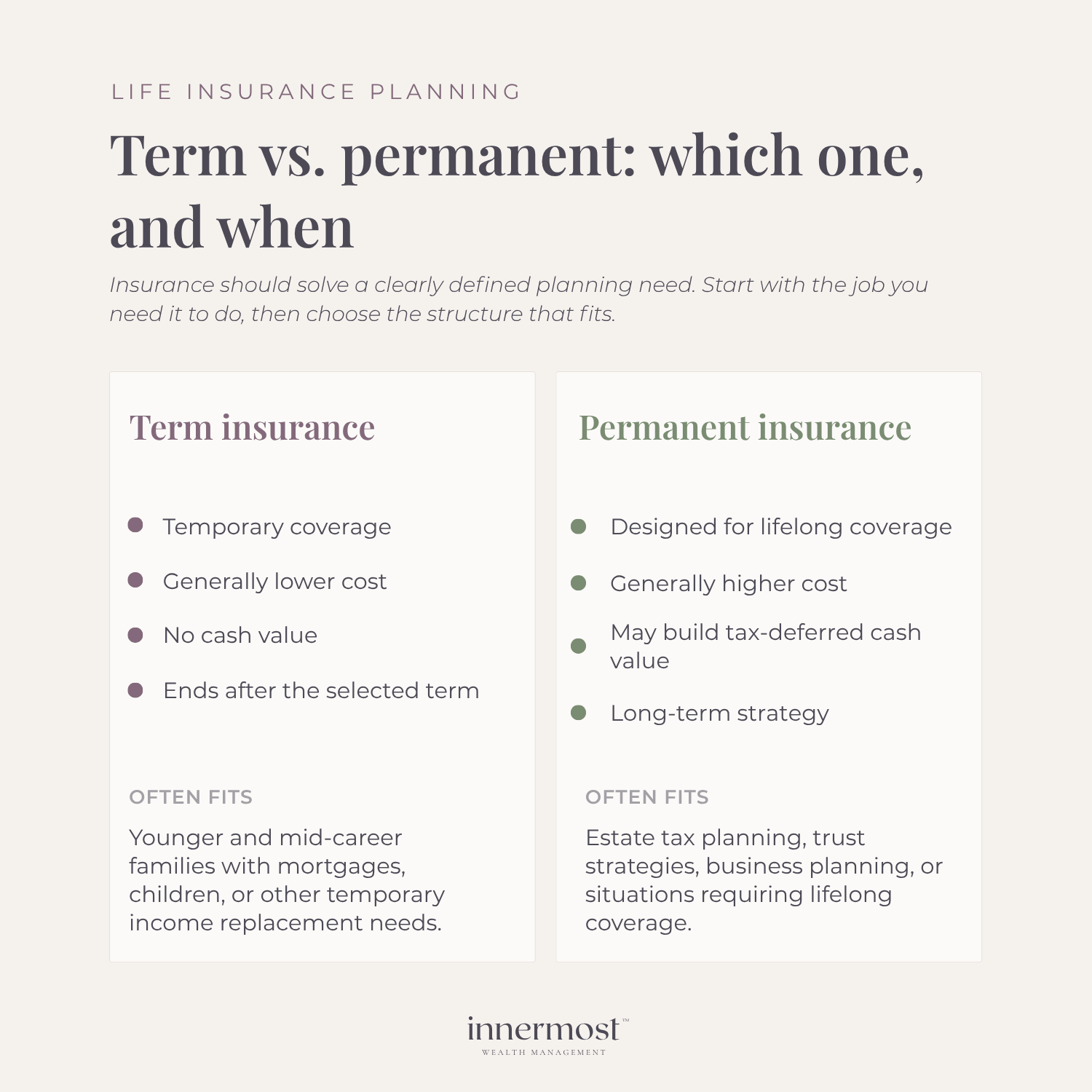
While both health insurance and life insurance serve as critical pillars of a comprehensive financial plan, they function in fundamentally different ways. Life insurance provides a death benefit intended to support your beneficiaries or settle debts after you pass away, whereas health insurance acts as an active financial safeguard for your medical wellbeing while you are alive. Having one does not eliminate the need for the other; rather, they address distinct financial risks that occur at different stages of your life.
The Fundamental Purpose of Life Insurance
Life insurance is, by design, a product meant to replace your income or provide a financial safety net for those left behind. When you purchase a term or permanent life insurance policy, you are essentially entering a contract where the insurer agrees to pay a lump sum to your named beneficiaries upon your death.
The primary goal of this coverage is to mitigate the economic impact of your absence. This might include covering funeral expenses, paying off a mortgage, funding children’s education, or replacing lost wages for a surviving spouse. Critically, life insurance does not pay for your medical treatments, prescription drugs, surgeries, or routine doctor visits. It is a legacy-focused tool, not a functional medical-care tool.
The Essential Function of Health Insurance
Health insurance is designed to provide access to medical services and protect your personal wealth from the potentially catastrophic costs of healthcare. In the modern medical landscape, the cost of a single major procedure, emergency surgery, or chronic disease management can reach tens or even hundreds of thousands of dollars.
Health insurance covers these active costs. It often includes negotiated rates for medical services, access to networks of providers, and cost-sharing structures like deductibles, copayments, and coinsurance. Without it, you are responsible for 100% of the sticker price of every medical interaction. Even for healthy individuals, health insurance serves as a hedge against unexpected accidents or sudden illnesses that could lead to medical bankruptcy if you are not covered.
Comparative Overview: Health vs. Life Insurance
To understand why these policies cannot be substituted for one another, it is helpful to look at their operational differences side-by-side.
| Feature | Health Insurance | Life Insurance |
|---|---|---|
| Primary Goal | Covers active medical costs | Provides death benefit to heirs |
| Trigger Event | Illness, injury, or preventative care | Death of the insured party |
| Beneficiary | Doctors, hospitals, pharmacies | Surviving family, friends, or entities |
| Operational Period | During your lifetime | Upon your passing |
| Financial Impact | Prevents bankruptcy from bills | Replaces income or settles estates |
Why You Cannot Rely on One for the Other
A common misconception is that if you are financially protected in the event of your death, you are safe from financial ruin. This ignores the "living risk."
If you lack health insurance, a major health crisis—such as a cancer diagnosis or a severe injury—can devastate your savings long before you reach the end of your life. Medical debt is one of the leading causes of personal bankruptcy. If you rely solely on life insurance, that policy will remain dormant and useless during the years you are struggling to pay for medical care. You cannot tap into your life insurance death benefit while you are alive to pay for your own chemotherapy, insulin, or physical therapy.
Conversely, health insurance cannot provide your family with the liquid capital they need to replace your income or maintain their standard of living once you are gone. Relying on your health plan to "protect" your family would leave them with no resources to cover daily living expenses or long-term financial obligations.
The Risk of Medical Debt and Asset Liquidation
Without health insurance, you are exposed to the full cost of medical services. Even with hospital billing departments willing to negotiate, the total out-of-pocket burden of a chronic illness can drain your assets, retirement accounts, and savings.
When your personal assets are depleted by medical bills, your net worth diminishes. This inadvertently weakens the financial health of your household, creating a scenario where your life insurance policy becomes your only remaining asset. If you then pass away, your beneficiaries may find that the death benefit is insufficient because your previous financial planning was derailed by high medical costs that could have been mitigated by a standard health insurance policy.
Strategic Coordination of Benefits
Effective financial planning involves integrating both types of insurance into a broader strategy. Ideally, health insurance provides the day-to-day security that protects your current earnings and savings, while life insurance ensures that your long-term goals and your family's future remain secure regardless of when you pass away.
- Assess your healthcare utilization: Review your typical medical needs, including prescription drugs and specialist visits, to choose a health plan that limits your out-of-pocket exposure.
- Calculate your "human capital": Determine the value of your future earnings to set an appropriate face value for your life insurance policy.
- Review annually: Both life circumstances (like marriage or childbirth) and health statuses change. Update your coverage every year to ensure you are neither underinsured nor paying for unnecessary protection.
Common Questions About Insurance Coverage
Does my employer-provided health insurance cover my family after I die? No. Health insurance coverage almost universally terminates when the insured individual passes away or departs from the employment plan. Your surviving dependents will need their own health coverage, which is why life insurance—or a robust estate plan—is essential to provide the funds they need to secure their own future health insurance.
Can life insurance be used to pay off medical bills after death? Yes, the death benefit from a life insurance policy is often used by executors of an estate to settle outstanding debts, including medical bills incurred during a final illness. However, relying on this method means that the money meant for your loved ones is instead paid to medical creditors. Health insurance is the much more efficient way to handle those bills while you are alive.
Is it possible to have life insurance if I have a pre-existing health condition? Yes, but the underwriting process may be more rigorous. Many carriers offer "simplified issue" or "guaranteed issue" policies for those who may not qualify for traditional term life insurance due to health history. Always work with a licensed broker to understand how your medical history affects your eligibility and premium rates.
Do I need health insurance if I am young and healthy? Yes. Even the healthiest individuals are at risk of sudden accidents, infections, or undiagnosed conditions. A major emergency room visit can cost thousands of dollars. Health insurance acts as a shield against the unpredictability of physical health.
Can I bundle health and life insurance for a discount? In some cases, providers or brokers may offer incentives for holding multiple policies with the same carrier. However, health insurance is typically tied to specific government exchanges or employer groups, whereas life insurance is often purchased through private insurers. Focus on the quality and coverage limits of each policy rather than seeking a bundle discount.
Recommendation
If you currently possess life insurance but lack health insurance, your next immediate step is to evaluate the available health insurance marketplaces in your jurisdiction. Whether through your employer’s open enrollment period, a state-based exchange, or private market options, securing health coverage should be treated as a priority to protect your present financial stability.
Start by identifying your budget and your expected medical needs for the remainder of 2026. Once you have a health plan in place, reassess your life insurance policy to ensure the death benefit remains aligned with your family’s current financial obligations. By maintaining both, you ensure that you are protected against both the risks of living and the inevitabilities of the end of life.

Image Gallery
Select an image to open it in a new tab.

Zara El-Hashem
Sociocultural Dynamics and Academics Writer
