Can I Repair My House Foundation in Coppell TX? A Comprehensive Guide for Homeowners

Homeowners in Coppell, Texas, can absolutely repair their home foundations, but the process is highly specialized due to the region's unique geological conditions. Because North Texas sits on expansive clay soil, foundation issues are common, and repairs must be performed by licensed professionals who understand local soil movement, proper drainage, and city-specific permitting requirements.
Understanding the Geological Context of Coppell
The foundation of any home is only as stable as the soil beneath it. Coppell, like much of the Dallas-Fort Worth Metroplex, is characterized by Blackland Prairie soils. This soil is primarily composed of montmorillonite clay, which is notorious for its "shrink-swell" behavior.
During dry spells, the clay loses moisture and shrinks, causing the ground beneath a foundation to retract and lose support. Conversely, during heavy rainfall—common in the North Texas spring and fall—the clay absorbs water and expands, exerting significant upward pressure on the concrete slab or pier-and-beam structure. This constant cycle of movement, often referred to as "heave" and "settlement," is the primary culprit behind cracks in walls, sticking doors, and uneven floors in Coppell homes.
Identifying the Need for Professional Repair
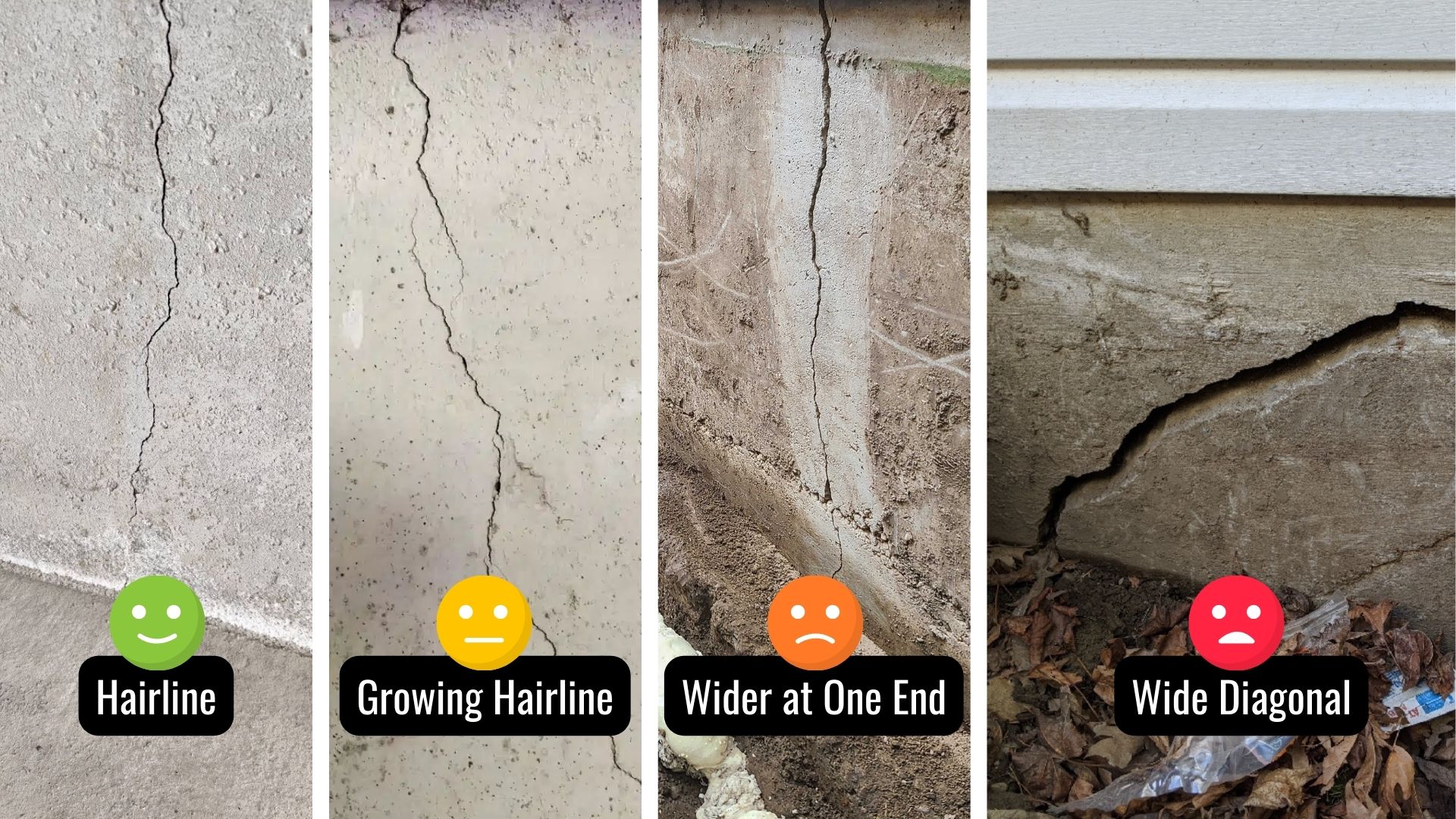
Before attempting to fix a foundation, you must determine if the signs you are seeing are indicative of a major structural failure or typical "settlement." Common indicators of foundation issues include:
- Interior Cracks: Diagonal cracks originating from the corners of door frames or window sills.
- Operational Issues: Doors and windows that suddenly jam, drag, or fail to latch properly.
- Exterior Gaps: Separation between the brick facade and the window frames or the chimney pulling away from the house.
- Floor Incline: A noticeable slope or "pitch" in the flooring in rooms located toward the center of the home.
If these issues are present, the first step is not to call a contractor, but to consult a licensed structural engineer. In Coppell, having an independent, third-party engineer assess your home ensures you receive an unbiased report on whether repairs are necessary and what methods are appropriate. This prevents the common mistake of paying for unnecessary "foundation stabilization" that may not solve the underlying soil-moisture imbalance.
Common Repair Methods in North Texas
Once a professional has identified the cause of your foundation movement, they will generally propose one of two primary methods for repair:
1. Piering (Steel or Concrete)
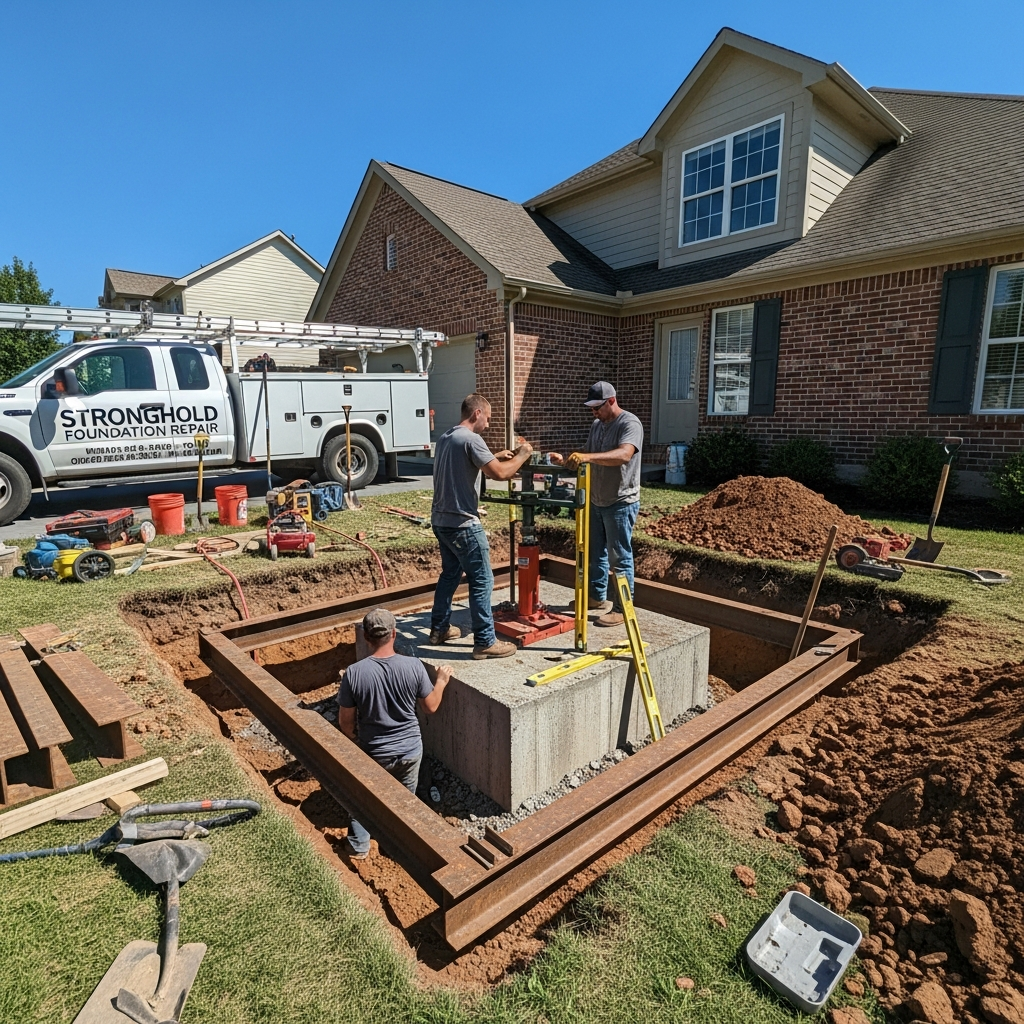
Piering is the most common solution for settling foundations. It involves driving steel pilings or concrete cylinders deep into the ground until they hit load-bearing strata (stable soil or bedrock). The foundation is then lifted and stabilized on these piers.
- Steel Piers: These are often preferred for their depth and capacity to bear heavy loads, reaching deeper into the earth than concrete.
- Pressed Concrete Piers: A more traditional, cost-effective method often used for homes with lighter structural profiles.
2. Mudjacking (Slab Jacking)
This method involves pumping a mixture of cement, sand, and water under the slab to fill voids created by soil shrinkage. It is typically used to raise a slab that has settled relatively evenly, rather than correcting deep structural instability.
Comparison of Foundation Repair Strategies
| Feature | Steel Piering | Pressed Concrete Piers | Mudjacking (Slab Jacking) |
|---|---|---|---|
| Primary Use | Severe settlement/heavy homes | Moderate settlement | Void filling/leveling |
| Depth | Reaches deep strata | Varies | Shallow (fills gaps) |
| Cost | High | Moderate | Low to Moderate |
| Durability | Long-term/Permanent | Moderate-Long | Requires monitoring |
| Best For | Deep-seated structural failure | Minor-to-medium shifting | Stabilizing soil contact |
Navigating City of Coppell Permitting
Repairing a foundation in Coppell is a major home improvement project that typically falls under the jurisdiction of the City of Coppell’s Building Inspections Department. You or your contractor must pull a permit for any structural foundation work.
The city requires these permits to ensure that the work meets the International Residential Code (IRC) standards. When the repair is complete, a city inspector will visit your property to verify that the piers were installed correctly and that the structural integrity of the home has been addressed. Do not skip this step; unpermitted foundation work can become a significant legal and financial liability if you attempt to sell your home in the future.
The Role of Maintenance and Drainage
Foundation repair is often only half the battle. In Coppell, if you do not manage the moisture levels in your soil, the repair may fail over time. The most important maintenance step is maintaining consistent soil moisture around the perimeter of the foundation.
- Drainage Systems: Ensure that gutters and downspouts are extended at least 5 to 10 feet away from the foundation to prevent water from pooling at the slab's edge.
- Grading: The earth should slope away from your home at a rate of at least one inch per foot for the first six feet.
- Soaker Hoses: During periods of extreme heat and drought, using soaker hoses placed about 12 to 18 inches away from the foundation can help prevent the soil from drying out and pulling away from the home.
FAQ: Foundation Concerns for Coppell Homeowners
1. Does my home insurance cover foundation repair? Generally, no. Most standard homeowners insurance policies in Texas cover damage caused by "perils" such as fire, wind, or vandalism. Foundation movement caused by natural soil settling or expanding clay is typically classified as "earth movement" or "settling," which is specifically excluded from most policies unless you have a specific rider or the movement was caused by a covered plumbing leak.
2. How long does a typical foundation repair project take? For an average residential home in Coppell, the physical installation of piers typically takes between 2 to 5 days. However, this does not include the time required for engineering reports, scheduling, and city inspections, which can extend the project timeline by several weeks.
3. Is foundation repair a permanent solution? If the repair is done correctly and you maintain proper drainage, it is considered a permanent fix for the areas that were stabilized. However, because soil conditions change, other areas of the home that were not affected initially may develop issues later. Ongoing monitoring is essential.
4. Can I do this work myself? No. Foundation repair requires specialized hydraulic equipment, structural engineering knowledge, and the ability to safely excavate beneath a load-bearing structure. Attempting this as a DIY project poses a significant risk of causing catastrophic structural failure to your home and severe physical injury.
5. How much should I expect to pay? Costs vary widely depending on the number of piers required and the size of your home. As of 2026, minor repairs may cost a few thousand dollars, while comprehensive structural stabilization can run into the $10,000 to $25,000+ range. Always get at least three itemized quotes from reputable, local, and licensed contractors.
Recommended Next Steps
If you suspect foundation failure, do not rush into a contract with the first company that leaves a flyer on your door. Start by documenting the cracks and issues, then hire an independent structural engineer to provide a report. Once you have an engineering assessment, use that document to solicit competitive bids from local contractors who have verified experience with Coppell’s specific clay soil profiles. Ensure that every bid includes the cost of permits, the specific number of piers to be installed, and a clear, transferable warranty.

Image Gallery
Select an image to open it in a new tab.



Celine Dubois
Contemporary Living and Global Arts Columnist
