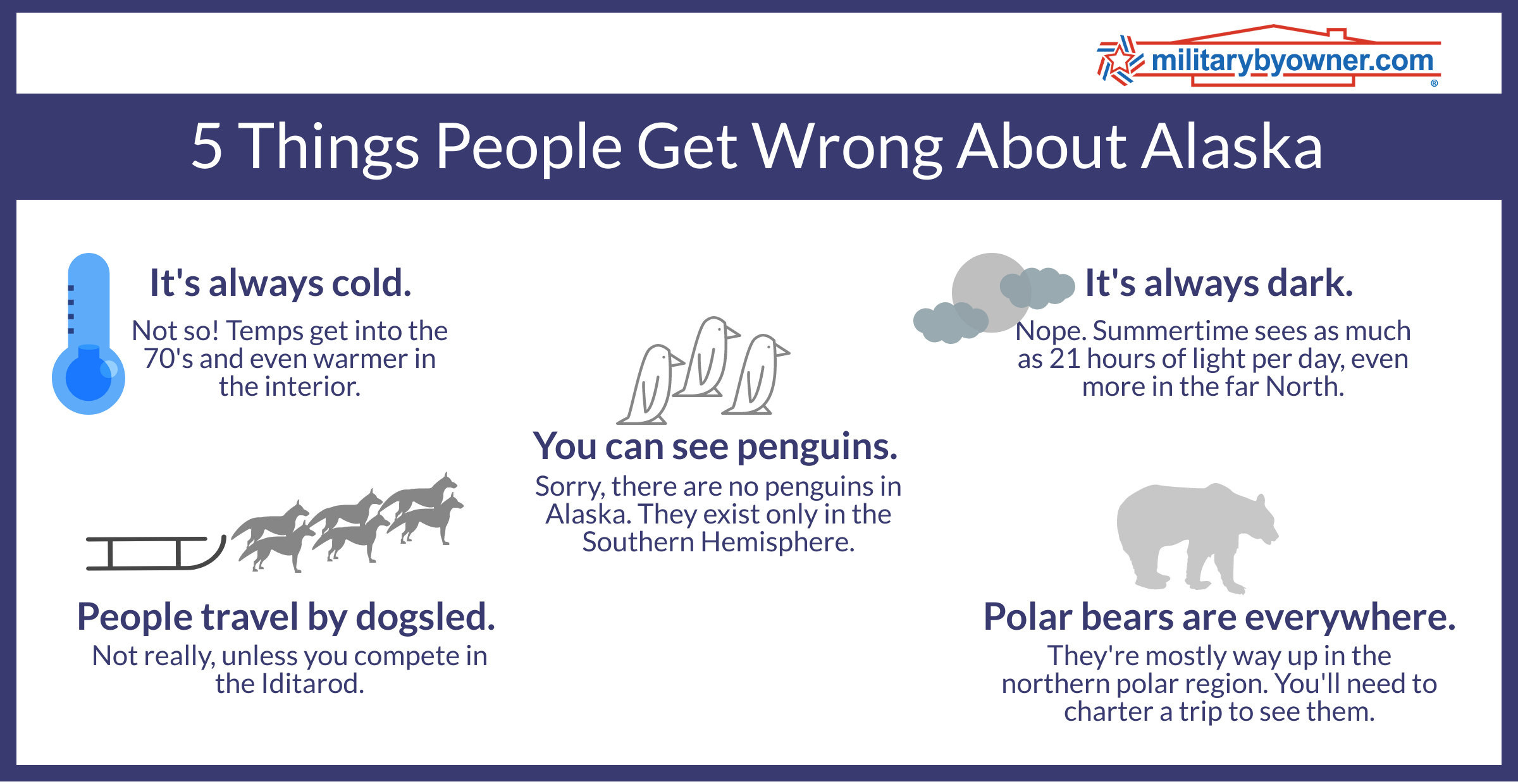
Living in Alaska is rarely cheap due to extreme geographic isolation, harsh climate demands, high energy expenses, and the logistical challenges of transporting goods to a remote frontier. While residents benefit from no state personal income tax and the annual Permanent Fund Dividend, these financial offsets are frequently outweighed by the exorbitant costs of housing, heating, healthcare, and everyday consumer items.
Introduction: The True Cost of the Last Frontier
The romanticized image of Alaska often highlights pristine wilderness, soaring mountains, and wide-open spaces. However, anyone considering a move to the state quickly realizes that living in Alaska is rarely cheap. From the grocery store checkout line to the monthly utility bill, everyday survival requires a significant financial investment.
Understanding the true cost of living in Alaska demands an honest look at the economic landscape. While the state boasts unique fiscal perks like the Permanent Fund Dividend (PFD)—an annual oil wealth payout distributed to eligible residents—these benefits do not erase the steep baseline expenses. Geographic isolation, limited local manufacturing, severe weather conditions, and high transportation costs create a uniquely expensive economic environment. This comprehensive guide explores the primary financial drivers behind Alaska's high cost of living, detailing what newcomers and long-term residents alike can expect when managing their finances in the 49th state.
Geographic Isolation and Supply Chain Realities
The foundational driver of Alaska's high prices is its sheer distance and separation from the contiguous United States. Much of the state is cut off from the primary North American highway and rail networks, meaning almost everything—from fresh produce and lumber to automobiles and medical supplies—must be shipped or flown in.
Freight, Shipping, and Transportation
Because Alaska lacks extensive manufacturing infrastructure, it relies heavily on external supply chains. Goods traveling from factories in the Lower 48 typically move by cargo ship to major ports like Anchorage or Seward, or via the Alaska Marine Highway System, before being trucked along the highway system. For remote bush communities off the road system, cargo must be loaded onto small bush planes or barges. Each handoff in the logistics chain adds a markup, translating into significantly higher retail prices for consumers.
The Bush vs. Road System Disparity
It is vital to distinguish between life on the road system (such as Anchorage, the Mat-Su Borough, the Kenai Peninsula, and Fairbanks) and life off the road system (such as Nome, Bethel, or Barrow). While prices in Anchorage are high—typically 25% to 30% higher than the national average—communities off the road system face catastrophic pricing. In remote villages, a gallon of milk can cost upwards of $10 to $15, and fresh vegetables often arrive bruised or spoiled due to the multi-day transit times required for bush flight delivery.
Housing and Real Estate Dynamics
Securing shelter in Alaska presents unique challenges, heavily influenced by climate-specific engineering, high material shipping costs, and a constrained supply of desirable land.
Construction and Material Costs
Building a home or renovating an existing property in Alaska is vastly more expensive than in most other US states. Basic building materials—drywall, lumber, insulation, and concrete—must be shipped north, driving up material expenses. Furthermore, construction seasons are short. Builders must squeeze foundation pouring, framing, and roofing into the brief summer months, leading to high labor rates for skilled contractors.
Climate-Resilient Infrastructure
Alaskan homes must be engineered to withstand extreme sub-zero temperatures, heavy snow loads, and permafrost shifting. This requires specialized construction techniques, such as thick insulation packages, triple-pane windows, heavy-duty heating systems, and often raised pilings or engineered foundations. These structural necessities increase both upfront purchase prices and ongoing maintenance costs.
Energy, Heating, and Utility Expenses
In a state where winter temperatures frequently plunge below zero for weeks at a time, energy is not a luxury; it is a critical survival requirement. Consequently, utility bills constitute a massive portion of the average Alaskan household budget.
Home Heating Fuels
Alaskans rely on a variety of fuel sources to heat their homes, including heating oil, natural gas, propane, wood, and electricity.
- Natural Gas: Generally the most affordable option, but its availability is largely restricted to the Cook Inlet basin region (Anchorage and the Kenai Peninsula).
- Heating Oil: Widely used in Fairbanks and rural areas. Price volatility in global oil markets directly impacts winter heating budgets, often leaving families with hundreds of dollars in monthly fuel oil expenses during the peak of winter.
- Electricity: Electricity generation in many rural and interior areas relies on diesel generators, making power exceptionally expensive. Even in urban centers, electricity rates often exceed the national average.
Vehicle Operation in Extreme Cold
Transportation costs extend beyond vehicle purchase prices. Operating a car in Arctic and sub-Arctic conditions requires specialized maintenance:
- Engine block heaters, oil pan heaters, and battery blankets to prevent fluids from freezing solid overnight.
- Frequent winter tire changes, specialized synthetic lubricants, and heavy-duty suspension components to handle frost heaves and unplowed roads.
- Winter fuel blends and increased idling time, which significantly reduce fuel efficiency.
Comparative Cost Overview: Alaska vs. National Averages
To better understand how expenses scale, the following table outlines the general cost differentials between average US benchmarks and major Alaskan population centers.
| Expense Category | US National Average | Urban Alaska (e.g., Anchorage) | Rural/Bush Alaska |
|---|---|---|---|
| Overall Cost of Living | Baseline (100) | ~125–130 | ~175–200+ |
| Grocery Costs | Baseline | Moderate to High (+30%) | Extreme (+100% or more) |
| Median Home Price | Varies by region | Higher than national median | Highly variable; limited inventory |
| Energy & Heating | Baseline | High | Severe (Diesel/Oil dependent) |
| State Income Tax | Varies | 0% | 0% |
| Sales Tax | Varies | Local sales taxes vary (Anchorage has 0%) | High local sales taxes common |
Healthcare and Professional Services
Accessing specialized medical care in Alaska presents both logistical and financial hurdles. While major urban hospitals in Anchorage offer advanced medical services, residents living in smaller towns or remote villages often must fly to Anchorage or even Seattle for major medical procedures, specialist consultations, or advanced surgeries.
Medical Travel Costs
The cost of medevac (medical evacuation) services in remote Alaska can be astronomical, running into tens of thousands of dollars if a bush plane or emergency helicopter is required to transport a patient from a remote clinic to an urban trauma center. While insurance or subscription programs like LifeMed can mitigate these risks, out-of-pocket exposure remains a constant concern for rural residents. Furthermore, general medical, dental, and veterinary services carry a geographic premium due to higher operational overhead and recruiting costs for licensed professionals.
Financial Offsets: Taxes, Dividends, and Wages
It would be incomplete to discuss Alaskan expenses without examining the balancing mechanisms designed to offset the high cost of living.
Tax Structure
Alaska is one of a handful of US states with no state personal income tax and no statewide sales tax. (Note: While the state levies no sales tax, individual municipalities are permitted to impose local sales taxes, though Anchorage notoriously levies neither state nor local sales tax). Property taxes vary widely, often running higher in boroughs that need to fund extensive local school districts and infrastructure without broad state income tax revenues.
The Permanent Fund Dividend (PFD)
Established in 1976, the Alaska Permanent Fund invests a portion of the state's mineral oil revenues. Every eligible resident—regardless of age—receives an annual dividend payment. While the exact payout amount fluctuates annually based on investment performance and legislative formulas, it serves as a welcome financial injection for families, often helping offset high winter heating oil or utility bills.
Wage Premiums
To attract and retain workers, many industries in Alaska—particularly healthcare, education, engineering, and government sectors—offer wage scales or cost-of-living adjustments (COLAs) that outpace comparable positions in the Lower 48. However, these higher wages are frequently counterbalanced by the very living expenses they are meant to offset.
Practical Strategies for Managing Alaskan Expenses
Living comfortably in Alaska requires deliberate financial planning and resourcefulness. Residents typically adopt several strategies to mitigate high costs:
- Embrace Subsistence and Local Sourcing: Many Alaskans offset grocery expenses by hunting, fishing, berry picking, and gardening during the short summer growing season. Freezer space is considered a vital household appliance.
- Bulk Purchasing and Seasonal Planning: Stocking up on non-perishable goods, toiletries, and household supplies during the fall before winter sets in—or ordering via barge shipping services—helps avoid inflated convenience pricing.
- Energy Efficiency Audits: Investing in high-grade insulation, triple-pane windows, and programmable thermostats pays massive dividends by reducing catastrophic winter heating bills.
- Vehicle Preparedness: Learning basic automotive maintenance, such as changing your own oil, installing block heater cords, and managing winter tire swaps, prevents steep mechanic labor charges.
Frequently Asked Questions
Is there really no state income tax in Alaska?
Yes. Alaska has no state personal income tax and no statewide sales tax. However, municipal governments retain the authority to levy local sales and property taxes to fund public services, schools, and infrastructure.
How much do groceries cost compared to the rest of the US?
Grocery prices in major urban centers like Anchorage are generally 25% to 35% higher than the national average. In remote bush communities off the road system, prices can easily double or triple due to the cost of air freight.
What is the Alaska Permanent Fund Dividend?
The PFD is an annual financial distribution paid to eligible Alaskan residents, derived from the earnings of the state's oil wealth investment fund. Payout amounts vary each year based on statutory formulas and fund performance.
Do I need a four-wheel-drive vehicle to live in Alaska?
While four-wheel-drive (4WD) or all-wheel-drive (AWD) vehicles with good ground clearance are extremely popular and helpful during heavy snowfall, safe winter driving relies more heavily on proper winter tires (such as studded tires) and cautious driving habits than the drivetrain alone.
How expensive is home heating in the winter?
Home heating costs depend entirely on your fuel source and home insulation quality. Households relying on heating oil in interior or rural regions can easily spend several hundred dollars per month during the coldest winter months just to maintain a baseline indoor temperature.
Conclusion and Next Actions
Living in Alaska is rarely cheap, demanding careful budgeting, climate preparedness, and an acceptance of logistical realities. However, for those who value rugged natural beauty, outdoor recreation, and a unique community culture, the financial premium is often viewed as a worthwhile trade-off. If you are planning a move or a long-term stay in the Last Frontier, start by securing stable employment with a competitive wage structure, researching housing availability outside peak seasons, and building a robust emergency fund specifically designated for high utility and vehicle maintenance expenses.
Image Gallery
Select an image to open it in a new tab.
Akira Tanaka
International Academic Trends Correspondent
