A Guide to the Languages Spoken in Miami: Linguistic Diversity in the Magic City
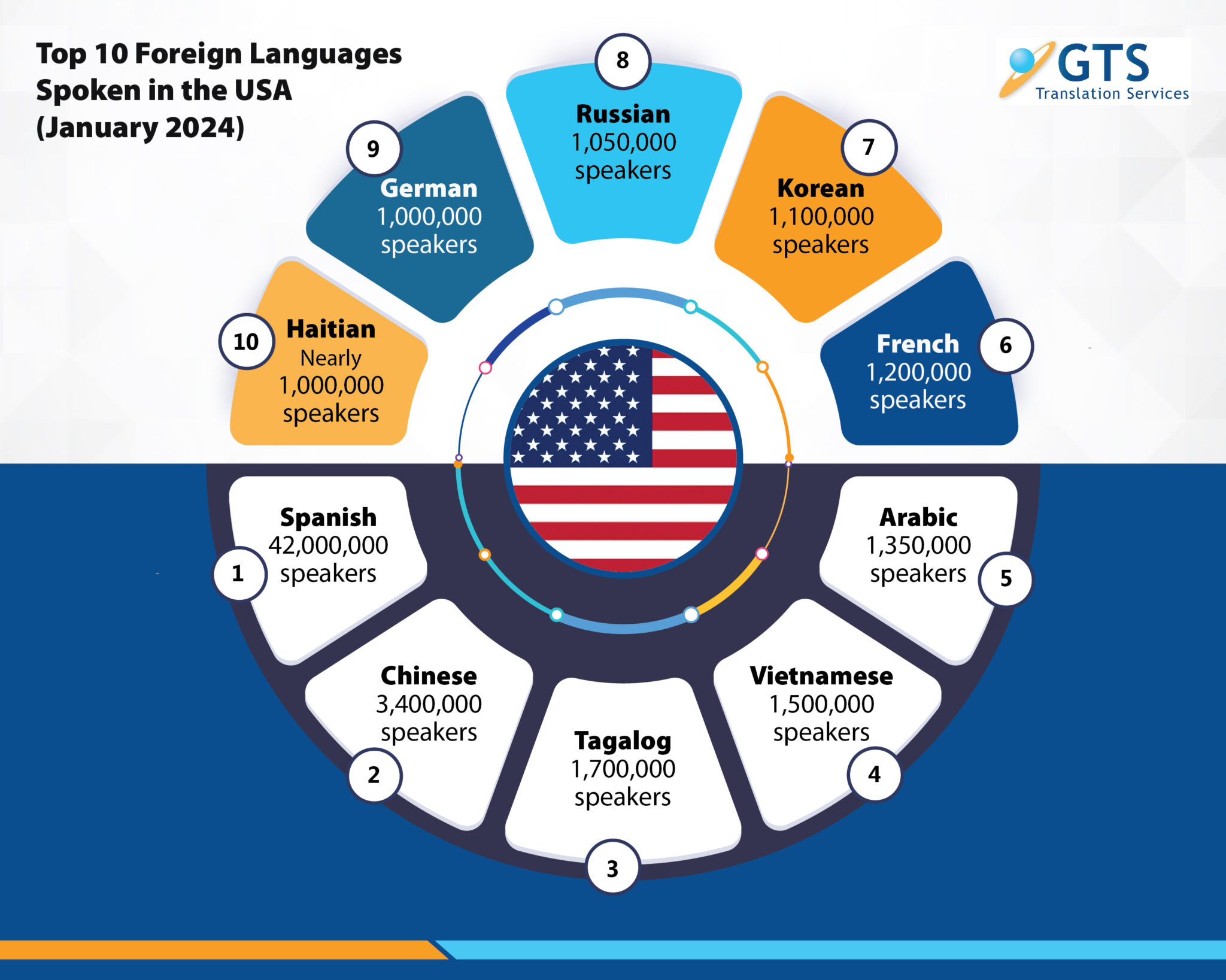
Miami is one of the most linguistically diverse metropolitan areas in the United States, defined primarily by its role as a global gateway to Latin America and the Caribbean. While English serves as the primary language for government and commerce, Spanish is a dominant second language, frequently used in daily life, media, and business, followed by a wide array of creole and heritage languages reflecting the city's complex immigrant history.
The Linguistic Landscape of Miami-Dade County
To understand the languages spoken in Miami, one must first look at the demographic makeup of Miami-Dade County. Unlike many other major American cities where a single language dominates the public sphere, Miami functions as a multilingual hub. The 2026 demographic landscape reveals that while English proficiency remains a prerequisite for many professional sectors, the ability to communicate in Spanish is often considered a significant social and economic asset.
The prevalence of Spanish is not merely a result of immigration patterns but a cornerstone of Miami's cultural identity. Many residents are bilingual, switching fluidly between English and Spanish depending on their environment. This phenomenon, often referred to as "Spanglish" in informal contexts, has evolved into a unique regional dialect that colors the city's broadcast news, signage, and customer service sectors.
The Dominance of Spanish
Spanish is the most spoken language in Miami after English. Its influence is institutionalized, with Spanish-language media outlets like Univision and Telemundo maintaining major production studios in the region. For a visitor or a new resident, the ubiquity of Spanish means that one can navigate large swaths of the city—including neighborhoods like Little Havana, Hialeah, and Doral—with little to no knowledge of English.
However, the Spanish spoken in Miami is highly heterogeneous. Because Miami attracts migrants from all corners of the Spanish-speaking world, you will hear a blend of Cuban, Colombian, Venezuelan, Nicaraguan, and Argentine dialects. This mix creates a distinctive linguistic environment where vocabulary is constantly being negotiated and expanded.
The Presence of Haitian Creole
While Spanish receives the most attention, Haitian Creole represents the third most significant linguistic force in Miami. Following decades of migration from Haiti, particularly since the late 20th century, Miami has become home to one of the largest Haitian diaspora communities in the world.
Areas such as Little Haiti are focal points for this linguistic community. Haitian Creole is officially recognized and utilized in local government communications, health services, and community outreach programs to ensure that non-English speaking Haitian residents have equitable access to public resources. The language serves as a vital tool for community cohesion, preserving cultural traditions while bridging the gap between the diaspora and the broader South Florida society.
Other Significant Languages and Global Influence
Miami’s status as a global transit point for trade and tourism brings a secondary tier of languages to the city. Portuguese is highly prominent, driven by both a large Brazilian expatriate community and the frequent arrival of Brazilian tourists and business professionals in the Brickell and South Beach areas.
In the northern reaches of the county and in specific enclaves, one can also find significant populations of speakers of:
- French: Often linked to the Haitian community or European expatriates.
- Russian: Concentrated in specific high-rise coastal communities.
- Mandarin and Cantonese: Represented in pockets of business and residential centers.
- Yiddish and Hebrew: Serving as a legacy of Miami’s historically significant Jewish population.
Professional and Civic Implications
In a professional context, language requirements in Miami are distinct from those in most other U.S. cities. For industries such as hospitality, healthcare, and retail, fluency in both English and Spanish is frequently listed as a "preferred" or "required" skill in job postings. Employers often view bilingualism as a competitive advantage that allows the company to reach a broader market.
In the legal and civic sectors, Miami-Dade County government agencies are mandated to provide translation and interpretation services to ensure that language barriers do not prevent residents from exercising their rights or accessing essential services. This includes everything from the court system to public school enrollment.
Comparison of Primary Languages in Miami
| Language | Primary Domain | Social Prevalence | Institutional Support |
|---|---|---|---|
| English | Government, Law, Corporate | Ubiquitous | Full (Official) |
| Spanish | Daily Life, Media, Service | High | High (Legal/Public) |
| Haitian Creole | Community, Faith, Local Media | Moderate | Moderate (Public/Health) |
| Portuguese | International Business, Tourism | Low (Localized) | Minimal |
Practical Navigation for Non-Spanish Speakers
If you are a visitor or someone relocating to Miami without Spanish proficiency, you will find that daily life is entirely manageable, particularly in professional and tourist-heavy settings. Almost all major institutions, museums, and transportation hubs operate primarily in English.
However, you may encounter challenges in smaller family-owned businesses or specific neighborhood markets. In these instances, patience and the use of digital translation tools are common solutions. Many residents are accustomed to interacting with non-Spanish speakers and will often attempt to switch to English to accommodate the interaction.
Common Mistakes to Avoid
- Assuming English is universal: While English is the official language of government, do not assume every citizen in a retail or service role is fluent.
- Ignoring the Creole distinction: Do not assume a speaker of a French-sounding language is French or Canadian; respect the cultural identity of Haitian Creole speakers.
- Over-reliance on translation apps: While apps are helpful, they cannot capture the nuance or regional colloquialisms of the Miami dialects. Always prioritize polite, clear, and direct communication.
Frequently Asked Questions
1. Is Spanish the official language of Miami? No. English is the official language of Florida and the United States. While Miami is effectively a bilingual city in practice, English remains the language of record for all legal documents, government proceedings, and educational curricula.
2. Is it hard to live in Miami without knowing Spanish? It is not difficult. You can live in Miami for years without speaking Spanish, though you might find your social and professional experiences are more enriched if you gain at least a conversational understanding of the language.
3. Why is Haitian Creole so common in Miami? The prevalence of Haitian Creole is a direct result of large-scale migration from Haiti beginning in the 1960s and 1970s. The community has established deep roots, resulting in the preservation of the language in homes, churches, and neighborhood institutions.
4. Will I encounter language barriers in medical emergencies? Major hospitals in Miami are equipped with 24/7 interpretation services in multiple languages, including Spanish and Haitian Creole, to comply with federal patient rights regulations regarding limited English proficiency.
5. How has Miami’s linguistic makeup changed over time? The city has shifted from a primarily English-speaking resort town in the early 20th century to a multilingual, international metropolis. The influx of refugees and immigrants from the Caribbean and Latin America throughout the late 20th century fundamentally altered the linguistic landscape toward the current bilingual state.
Next Actions and Recommendations
If you are moving to or doing business in Miami, take the time to identify the specific linguistic requirements of your neighborhood or sector. If you are a professional, consider enrolling in a "Spanish for the Workplace" course, which focuses on the specific vocabulary utilized in the South Florida business environment. If you are a visitor, downloading an offline translation dictionary for Spanish and Haitian Creole can provide peace of mind for navigating local transit and smaller neighborhood shops. Engaging with the city’s multilingual nature is the most effective way to integrate into its vibrant and diverse community.
Image Gallery
Select an image to open it in a new tab.
Akira Tanaka
International Academic Trends Correspondent
