
Jason David Frank became a defining cultural icon of the 1990s through his portrayal of Tommy Oliver in the Mighty Morphin Power Rangers franchise. His rise to fame revolutionized children’s television, martial arts representation in Western media, and the formation of the modern fan convention circuit, establishing a lasting legacy that extended far beyond his initial appearance on screen in 1993.
The Genesis of a Phenomenon: Casting and Arrival
In early 1993, the American television landscape was forever altered by the premiere of Mighty Morphin Power Rangers. Produced by Saban Entertainment, the show utilized footage from the Japanese Super Sentai series, but the success of the American adaptation relied heavily on its original cast. Jason David Frank, an accomplished martial artist from Covina, California, auditioned for the role of the Green Ranger—a character initially intended to be a temporary antagonist.
Frank’s arrival on the show changed the trajectory of the series. Originally cast for a limited 10-episode arc, his portrayal of Tommy Oliver—the brainwashed protégé of the villainous Rita Repulsa—resonated so strongly with audiences that the producers brought him back as a permanent fixture. This decision solidified his status as the series' breakout star. His physical discipline, rooted in real-world martial arts training, allowed him to perform stunts and fight choreography that elevated the quality of the show’s action sequences compared to other children's programs of the era.
The Transition to the White Ranger
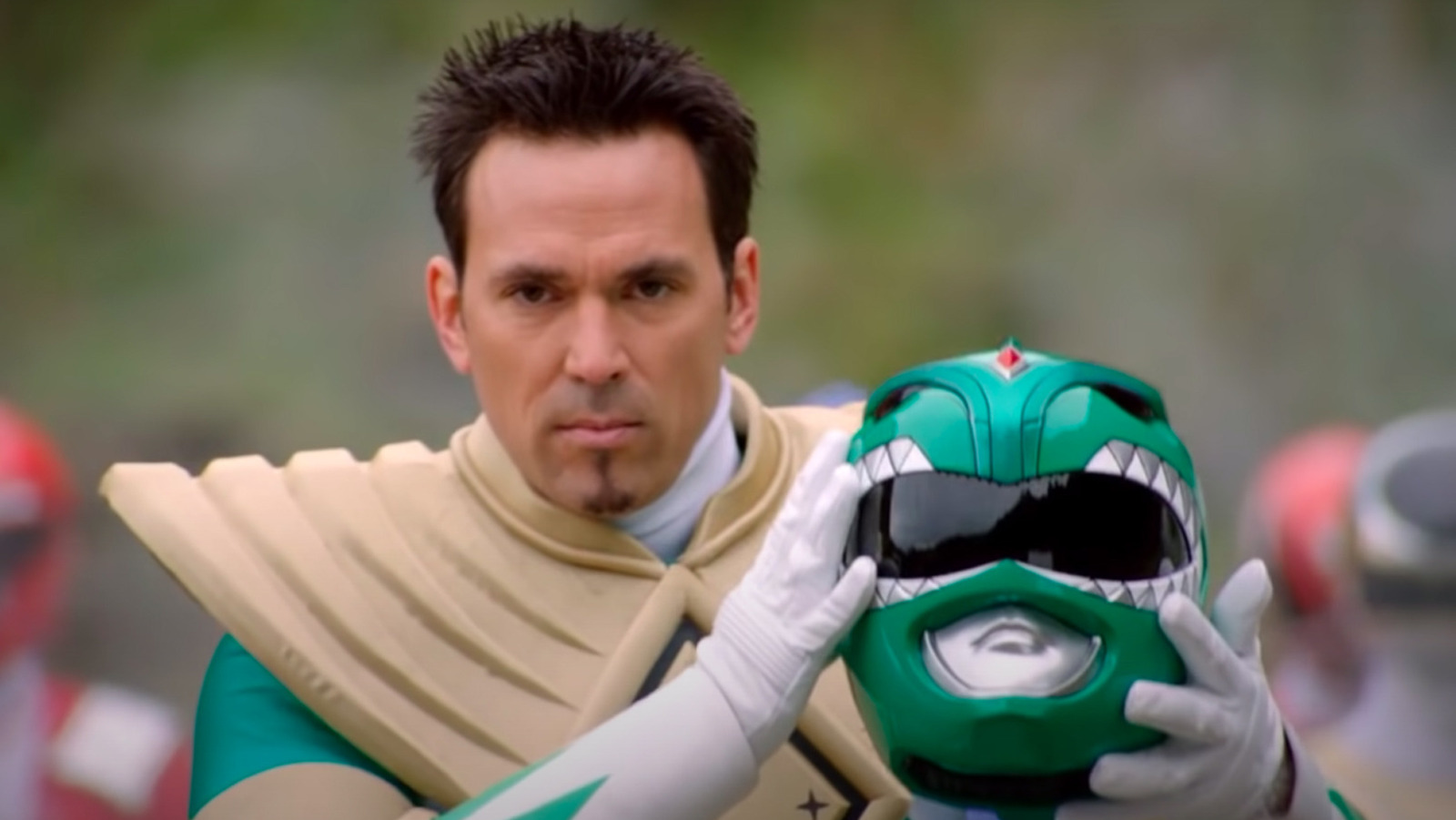
One of the most significant events in 1990s pop culture was the transformation of Tommy Oliver from the Green Ranger into the White Ranger. By the middle of the first season and into the second, the "Green with Evil" narrative arc had concluded, and the Green Ranger’s powers began to wane.
In a strategic move to maintain ratings and merchandise interest, the show introduced the White Ranger. This pivot allowed Frank to shift from a conflicted antagonist to the undisputed leader of the team. This era of the show, spanning 1993 to 1995, cemented Frank’s image in the public consciousness. He became the face of the franchise, appearing in extensive marketing campaigns, lunchboxes, apparel, and action figures that dominated the toy industry during the mid-90s. The character's shift demonstrated the adaptability of the show’s formula, proving that the Power Rangers brand could evolve and sustain long-term engagement.

Martial Arts Influence and Athletic Performance
Beyond his acting, Frank was a legitimate martial artist, which set him apart from many of his contemporaries in the action-hero genre. He held black belts in various disciplines and later integrated his skills into the series’ choreography. His presence on the set encouraged a higher standard of physicality among the cast, which translated to more intense fight scenes that were highly influential for children growing up in that decade.
During the 90s, Frank’s influence expanded into the competitive martial arts scene. He was an early proponent of blending traditional Karate with elements of MMA-style striking, which was still in its infancy during the 90s. This expertise allowed him to bring a sense of authenticity to the role of Tommy Oliver, who was portrayed as a disciplined athlete and student of the martial arts. This synergy between the character and the actor ensured that viewers perceived Tommy not just as a costumed superhero, but as a skilled fighter.
Merchandise, Media, and 90s Pop Culture
The mid-90s represented the peak of Power Rangers mania. Frank was the central figure in this retail explosion. The demand for "Tommy" merchandise—ranging from standard action figures to morphers and role-play masks—was astronomical. This period established a business model for children's entertainment that prioritized heavy synergy between television broadcasts and consumer product lines.
Frank’s role in the 1995 Mighty Morphin Power Rangers: The Movie further solidified his transition from a television star to a cinematic lead. The film provided a higher production budget than the series, allowing Frank and his castmates to perform more complex stunts. By the end of the 90s, while the original series had transitioned through various incarnations (such as Zeo and Turbo), Frank’s character remained the anchor, frequently returning to guide new generations of Rangers.
Comparative Impact of 90s Action Icons
The following table compares the influence of action-oriented roles during the mid-90s, highlighting how Frank’s career intersected with broader trends in entertainment.
| Actor/Character | Primary Medium | Primary Audience | Martial Arts Focus |
|---|---|---|---|
| Jason David Frank (Tommy Oliver) | Television/Film | Children/Youth | High |
| Jean-Claude Van Damme | Film | Adults/Young Adults | Very High |
| Chuck Norris (Walker, Texas Ranger) | Television | Adults | High |
| Power Rangers (Ensemble) | Television | Children | Medium |
This comparison illustrates that while figures like Van Damme and Norris dominated the adult market, Frank occupied a unique space by bringing high-level, disciplined martial arts to a youth-oriented medium, creating a bridge for children to appreciate combat sports and physical fitness.
Legacy and Long-Term Fan Engagement
The cultural impact of Frank’s 90s work became evident in the early 2000s and continued through 2026 as the fanbase that grew up with Mighty Morphin Power Rangers reached adulthood. Frank was instrumental in fostering this community through his frequent appearances at fan conventions. Unlike many actors who distanced themselves from their breakthrough roles, Frank embraced his legacy, maintaining a consistent presence at events and on social media platforms.
His dedication to the franchise helped transition Power Rangers from a momentary 90s trend into a long-standing pop culture institution. By continuously engaging with fans who were children in the 90s, Frank ensured that the Power Rangers lore—and specifically the character of Tommy Oliver—remained relevant in modern discussions about 90s nostalgia and the evolution of superhero media.
Frequently Asked Questions
Was Jason David Frank the longest-running cast member in the 90s?
Yes. Although the cast of Power Rangers saw several rotations, Frank maintained the longest tenure during the 90s, appearing in Mighty Morphin, Zeo, and Turbo, alongside numerous guest appearances. His longevity was critical to the show's continuity during its formative years.
How did his martial arts background affect his character?
Frank’s real-world expertise in Karate and other disciplines dictated much of the choreography for his character. Directors often allowed him to design his own combat sequences, ensuring that the fights looked more realistic than standard television choreography at the time.
Why is the Green Ranger considered a cultural touchstone?
The Green Ranger was the first "sixth member" to join the team, a trope that became standard in the Super Sentai and Power Rangers franchises. His introduction brought a level of tension, complex storytelling, and high-stakes conflict that hadn't been present in the show’s initial episodes.
How did the 90s toy industry change due to the Power Rangers?
The success of the show created a "collectible" culture for action figures. Because the show featured specialized morphers, weapons, and Zords, the toy line became a multi-billion dollar entity, setting the standard for how television shows could drive toy sales through serialized character updates.
Did Jason David Frank do his own stunts in the 90s?
Frank performed a significant portion of his own stunt work. While professional stunt performers handled high-risk maneuvers for safety and insurance reasons, Frank’s athletic capability allowed him to execute the majority of the fight choreography seen on screen.
How does the 90s era of Power Rangers compare to later versions?
The 90s era is distinguished by its reliance on practical effects, real-world martial arts, and a more earnest, campy aesthetic. Later versions of the franchise incorporated more digital effects, whereas the 90s era is remembered for its tangible stunt work and the specific star power of the original cast.
Next Steps for Enthusiasts and Researchers
For those interested in exploring the 90s era of the franchise, the best approach is to examine the original Mighty Morphin broadcast order to see the evolution of the choreography and the character arcs. Archival interviews and convention panels from the 2010s and 2020s provide significant context regarding the production challenges of the 90s. Researchers should focus on the Saban Entertainment business model as a case study for 90s media licensing and cross-platform marketing, as the success of the series remains a masterclass in leveraging physical performance to sustain a brand.
Image Gallery
Select an image to open it in a new tab.




Simon Caldwell
Enterprise Technology and Systems Editor
