
The "Icon of the Seas infinity pool fall myth" refers to viral internet rumors, digitally altered videos, and fabricated safety incidents claiming that passengers fell or were swept out of the cruise ship's iconic cantilevered infinity pool, known as The Hideaway pool. In reality, these claims are entirely false, sensationalized hoaxes, and misinterpretations of structural designs or unrelated maritime footage.
Understanding the Icon of the Seas and The Hideaway
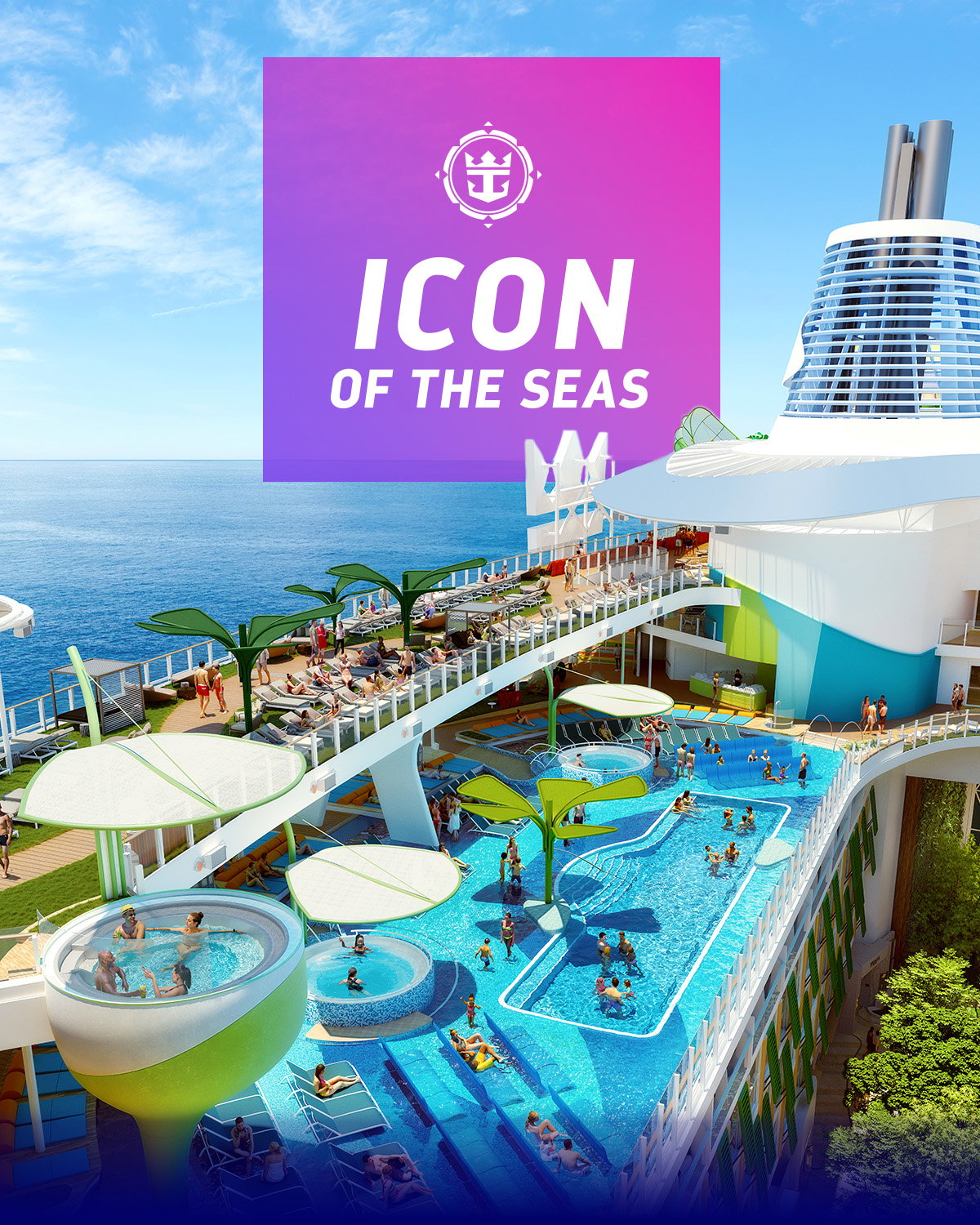
Royal Caribbean International’s Icon of the Seas entered service as the world's largest cruise ship, introducing a wave of innovative architectural features designed to maximize passenger capacity, entertainment, and visual appeal. Among these design achievements is The Hideaway, located in the ship's aft neighborhood. Positioned eight decks above the ocean, The Hideaway features the first suspended infinity pool at sea.
Because of its unique cantilevered design—meaning the pool structure extends outward from the ship's hull with no visible supports beneath it—it instantly captured global attention. This striking visual profile made it a frequent subject of social media photography, promotional campaigns, and, inevitably, sensationalized digital manipulation. When travelers see a pool seemingly hanging off the edge of a massive vessel floating on the open ocean, it challenges traditional notions of cruise ship architecture. This novelty laid the psychological groundwork for the public's susceptibility to rumors regarding its structural integrity and safety.
Anatomy of the Myth: How the Fall Rumors Spread
Viral misinformation typically follows predictable pathways in the digital landscape, and the rumors surrounding the Icon of the Seas infinity pool are a textbook example of modern social media sensationalism. Understanding how this myth propagated requires examining the specific forms the rumors took across platforms like TikTok, Instagram, and YouTube.
The Role of Digitally Altered Video Content
The primary catalyst for the fall myth was a series of short-form video clips that utilized visual effects, forced perspective, and video editing software. In these fabricated videos, creators altered footage to show water violently surging over the edge of The Hideaway pool, ostensibly dragging swimmers over the side during simulated rough seas or structural collapses.
Some videos went even further, employing rudimentary computer-generated imagery (CGI) to depict fictional individuals falling from the pool deck into the ocean. Because casual viewers often consume short-form video content rapidly without checking sources or verifying context, these edited clips were quickly accepted as authentic documentation of a maritime disaster.
Misinterpretation of Motion and Maritime Engineering
Another significant driver of the myth was the misinterpretation of normal ship movements. Cruise ships of this scale are engineered with advanced stabilizer fins and massive hulls designed to minimize roll in heavy seas, but they still experience natural motion. When passengers record video inside an infinity pool during turns or moderate swells, the horizon line shifts, and water can slosh over the vanishing edge—a deliberate design feature intended to create a seamless visual transition between the pool and the sea.
Uninformed viewers misconstrued this standard water displacement as a catastrophic breach or an imminent safety hazard, amplifying fears that swimmers could be swept overboard by ordinary wave action or ship maneuvers.

Real Safety Standards and Engineering of The Hideaway Pool
To evaluate the validity of any safety panic surrounding The Hideaway pool, one must examine the rigorous engineering standards, international maritime regulations, and physical safety barriers implemented by Royal Caribbean and verified by naval architects.
Cruise ships operating in international waters are subject to strict oversight by flag state administrations, classification societies (such as DNV or Lloyd's Register), and international treaties like the International Convention for the Safety of Life at Sea (SOLAS). These organizations mandate stringent structural safety requirements for passenger-facing areas, especially pools and open-deck spaces situated at high elevations.
| Design Feature | Engineering Specification | Safety Function |
|---|---|---|
| Cantilevered Structure | High-grade marine steel truss systems integrated into the primary ship bulkhead | Supports thousands of pounds of water weight while absorbing dynamic sea loads |
| Perimeter Containment | Integrated acrylic windbreaks and reinforced glass barriers | Prevents accidental falls while maintaining unobstructed sightlines |
| Water Collection Troughs | Multi-stage overflow gutters and drainage basins | Captures sloshing water and safely recirculates it through the filtration plant |
| Emergency Shutoffs | Automated pump isolation valves and rapid-drain systems | Stabilizes water volume during sudden heavy vessel motion or listing |
Far from being a perilous drop-off, the pool area incorporates multi-layered containment systems. While the visual edge of the infinity pool drops away to create an illusion of openness, high-strength structural glass barriers and protective overhangs are strategically positioned to ensure passenger safety under all operational conditions. Independent marine engineers and cruise safety inspectors cleared the vessel for operation only after rigorous stress-testing of all passenger amenities.
The Impact of Viral Misinformation on Travel and Tourism
The spread of the Icon of the Seas infinity pool fall myth highlights a broader vulnerability within the contemporary travel industry: the monetization of fear and shock value on social media. Algorithms across major platforms frequently reward high-engagement content, and sensational disaster narratives consistently outperform calm, factual debunks.
For cruise lines and travel agencies, managing these digital myths requires active public relations strategies and transparent communication. When viral hoaxes gain traction, potential passengers may experience unwarranted anxiety about booking voyages on modern mega-ships. Royal Caribbean and maritime authorities regularly counter these claims by releasing official documentation, inviting travel journalists to tour the facilities, and providing transparent explanations of ship mechanics.
Travelers planning a vacation on the Icon of the Seas can take comfort in the fact that no credible maritime safety authority, coast guard, or news organization has ever recorded a passenger falling from The Hideaway pool.
Frequently Asked Questions
Can you actually fall out of the infinity pool on the Icon of the Seas?
No, you cannot fall out of the pool. While the edge of the infinity pool is designed to give a vanishing-edge effect where water flows over into a hidden trough, the pool is securely surrounded by structural barriers and reinforced glass that prevent anyone from sliding or falling over the side.
Why does the water in The Hideaway pool slosh over the edge?
Water sloshing is a normal physical reaction to the ship's movement, turning, or interaction with ocean swells. The pool is specifically engineered with overflow troughs designed to catch this displaced water, filter it, and pump it back into the system without posing any hazard to guests.
Are there any real safety incidents associated with The Hideaway pool?
No verified safety incidents or structural failures involving passengers falling from The Hideaway pool have ever occurred. All safety records from cruise operations and maritime regulators confirm the area operates within strict international compliance standards.
How high above the ocean is The Hideaway pool located?
The Hideaway neighborhood and its infinity pool are situated on Deck 11, approximately 135 feet above the water line, offering panoramic views while maintaining robust engineering clearances and safety infrastructure.
Where did the infinity pool fall myth originate?
The myth originated from a combination of digitally altered TikTok videos, misleadingly edited Instagram reels, and sensationalized claims designed to generate viral attention and online engagement by misrepresenting standard pool overflow as a structural disaster.
Practical Next Steps for Cruise Travelers
If you are planning a cruise aboard the Icon of the Seas or researching modern cruise ship amenities, rely on official documentation and verified maritime reporting rather than social media clips.
- Verify Sources: Always cross-reference sensational claims about cruise ship safety with official statements from the cruise line, port authorities, or established maritime news outlets like Cruise Critic or Seatrade Cruise News.
- Understand Vessel Design: Familiarize yourself with how modern cruise engineering utilizes stabilizers, internal ballasts, and reinforced structural glass to ensure stability and passenger safety at sea.
- Consult Travel Professionals: Speak with certified travel advisors who have firsthand experience with the ship if you have specific questions about accessibility, layout, or onboard safety features.
Image Gallery
Select an image to open it in a new tab.




Celine Dubois
Contemporary Living and Global Arts Columnist
