
A heat pump washer and dryer is an all-in-one appliance that washes and dries laundry in a single drum using a closed-loop refrigeration system instead of hot air exhaustion. This ventless technology recirculates and dehumidifies air at lower temperatures, cutting energy consumption by up to 50 percent compared to conventional vented dryers while protecting delicate fabrics from excessive heat.
Understanding how home laundry appliances operate has grown increasingly important as energy costs rise and building codes shift toward greater efficiency. Among the most significant technological leaps in the home appliance sector is the integration of heat pump technology into combination laundry units. Long utilized in HVAC systems and water heaters, this closed-loop thermal transfer method has redefined how clothes are dried. By examining the underlying mechanics, practical benefits, installation requirements, and operational quirks of heat pump washer and dryer units, consumers can determine whether this specialized appliance suits their household needs.
The Evolution of Laundry Technology: From Vented to Ventless
For decades, the standard North American laundry setup consisted of two separate heavy-duty machines: a top-loading or front-loading washing machine that extracted water via centrifugal force, and a gas- or electric-resistance dryer that blasted heated air through the tumbling garments, exhausting the moisture-laden air directly outside through a rigid metal duct. While effective at drying clothes quickly, this vented system suffers from a fundamental thermodynamic inefficiency.
Traditional electric resistance dryers draw in ambient room air, heat it using electric coils, push it through a rotating drum, and expel it outdoors. This process creates a negative pressure zone inside the home, drawing conditioned (heated or cooled) air out of the living space and wasting substantial amounts of thermal energy. Furthermore, long or clogged exhaust ducts represent a persistent residential fire hazard due to the accumulation of highly flammable lint.
Ventless condensing dryers offered an early alternative by capturing moisture without an outdoor duct, but older condenser models relied on cold tap water or ambient air to cool a condensation plate, consuming significant water or electric power in the process. The modern heat pump washer and dryer solves these efficiency dilemmas by adopting the thermodynamic principles of a refrigerator or air conditioner in reverse. Instead of venting heat outdoors or wasting water down the drain, the system captures heat, recycles it, and uses low-temperature condensation to remove moisture gently from fabrics.
How Heat Pump Technology Works Inside the Drum
At the core of a heat pump laundry unit is a closed-loop refrigeration cycle containing a compressor, an expansion valve, and two heat exchangers known as the evaporator and the condenser. Unlike a traditional dryer that relies on high-heat electric heating elements, a heat pump system operates through continuous thermal transfer:
- Closed-Loop Air Circulation: A quiet internal fan blows warm, dry air into the rotating stainless steel drum, where it absorbs moisture from wet clothing.
- Moisture Extraction (Evaporator): The damp, warm air leaves the drum and passes across the evaporator coils of the heat pump. Because these coils are kept cold by refrigerant, the moisture in the air condenses into liquid water—much like condensation forming on a cold glass of iced tea on a hot summer day. This water is then pumped out through a standard drain hose or collected in a removable reservoir.
- Reheating the Air (Condenser): Now cold and dry, the air flows across the condenser coils, which have been warmed by the compressed refrigerant. The air absorbs this heat, becoming warm and dry once more before looping back into the drum.
- Continuous Cycle: This closed loop repeats continuously throughout the cycle. No heat is exhausted into the laundry room, and no outdoor vent is required.
Because the system recycles its own thermal energy rather than generating fresh heat from scratch via resistance coils, energy consumption drops precipitously. The drying temperatures in a heat pump unit typically hover around 140 degrees Fahrenheit (60 degrees Celsius) or lower, compared to 190 degrees Fahrenheit (88 degrees Celsius) or higher in traditional electric dryers.
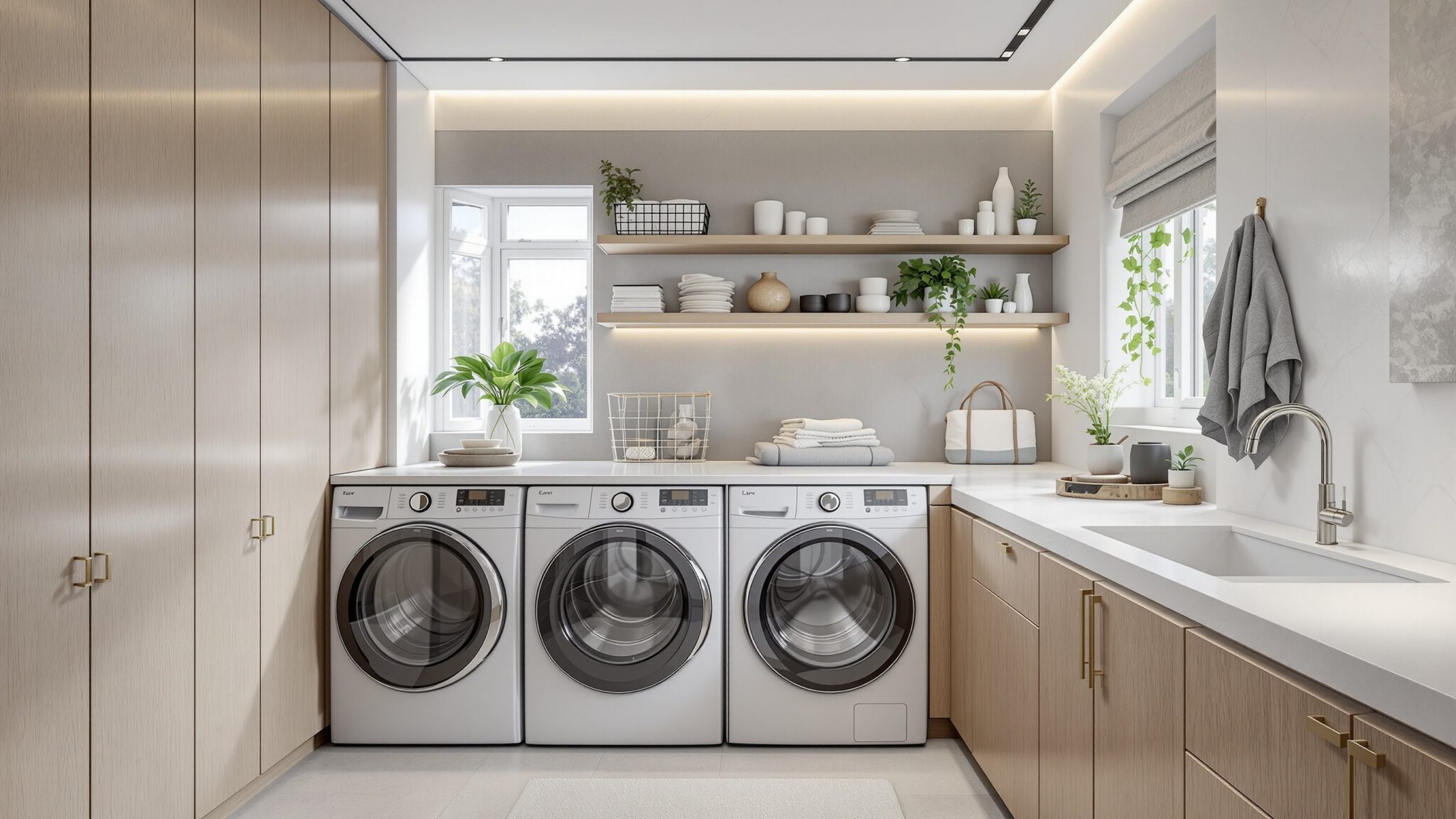
All-in-One Combination Units vs. Standalone Heat Pump Dryers
When exploring the market for heat pump laundry appliances, buyers generally encounter two distinct configurations: all-in-one combination washer-dryers and standalone heat pump dryers. Understanding the operational differences between these formats is critical for managing household expectations.
All-in-One Combination Units
An all-in-one unit houses both the washing and drying mechanisms within a single drum. Users load dirty clothes, add detergent, and select a cycle. When the wash cycle finishes, the machine automatically transitions to the drying phase without requiring the user to transfer heavy, damp garments to a separate appliance.
- The Primary Advantage: Ultimate convenience and space-saving design. Because there is only one footprint, these units fit into tight closets, kitchen alcoves, or small European-style apartments.
- The Operational Trade-off: Cycle times are significantly longer. Because the same drum must wash and dry the load, and because heat pump drying inherently takes more time than forced-air heating, a complete wash-and-dry cycle can easily take three to four hours. Furthermore, the drying capacity is often smaller than the washing capacity; a machine might accommodate a large load of wet laundry for washing, but the user may need to remove half the clothes before starting the dry cycle to ensure proper airflow and tumbling.
Standalone Heat Pump Dryers
Standalone heat pump dryers operate alongside a separate washing machine. While they still require a 240-volt or specialized 120-volt electrical connection and a drain line (or manual water tank emptying), they function exclusively as dryers.
- The Primary Advantage: Higher capacity and continuous multitasking. While one load is drying in the heat pump unit, a second load can be washing in the companion washer.
- The Operational Trade-off: They require the physical floor space of two separate appliances and do not eliminate the step of transferring wet garments from washer to dryer.
Comparative Overview: Traditional vs. Heat Pump Laundry
To evaluate the operational differences between conventional laundry systems and modern heat pump units, consider the following performance and infrastructure metrics.
| Feature / Metric | Traditional Vented Dryer | Heat Pump Washer-Dryer Combo | Standalone Heat Pump Dryer |
|---|---|---|---|
| Venting Requirement | Required (Rigid metal duct to outdoors) | None (Ventless) | None (Ventless) |
| Electrical Requirement | 240V / 30-Amp dedicated circuit | Standard 120V / 15-Amp household outlet | 240V or advanced 120V depending on model |
| Energy Consumption | High (2,000–5,000 watts per load) | Low (Approx. 50% less energy than standard) | Low (Approx. 50% less energy than standard) |
| Drying Temperature | High (Rapid, harsh on textiles) | Low (Gentle on fabrics, prevents shrinking) | Low (Gentle on fabrics, prevents shrinking) |
| Average Cycle Time | 45 to 60 minutes | 3 to 4.5 hours (combined wash and dry) | 90 to 120 minutes |
| Water Consumption | None during drying | Uses water only during wash phase | None during drying |
Installation and Infrastructure Requirements
One of the most appealing selling points of a heat pump washer and dryer combination is its installation flexibility. Because the system is entirely ventless, it liberates homeowners and renters from the architectural constraints of exterior walls and metal ductwork. However, installation is not entirely plug-and-play and requires attention to specific utility parameters.
Electrical Supply
Historically, large laundry appliances required a heavy-duty 240-volt electrical outlet. Many modern, high-efficiency heat pump combination units are designed to run on a standard 120-volt, 15-amp or 20-amp household circuit. This design breakthrough allows users to install the machine in kitchens, bathrooms, or upstairs bedrooms where a 240V outlet is absent. Nevertheless, because the compressor and motor draw substantial operating power during peak phases, manufacturers universally recommend plugging the unit into a dedicated circuit to prevent tripped breakers or electrical overloads.
Plumbing and Drainage
Water management is a central component of ventless drying. During the drying cycle, moisture pulled from the clothes condenses into liquid. Most permanent installations route this condensate through a flexible hose connected to the home’s standard standpipe or laundry drain, shared with the washing machine's discharge. Some models also feature a removable condensation collection drawer located near the front panel; if a direct drain line is unavailable, the user must remember to empty this drawer manually after every few drying cycles.
Room Ventilation and Ambient Temperature
While heat pump dryers do not exhaust hot, humid air outside through a duct, they do interact with the ambient air of the room in which they are placed. The heat pump absorbs thermal energy from the immediate surroundings or radiates a modest amount of warmth. Consequently, these units perform best in spaces with moderate room temperatures (between 50°F and 85°F). Installing a heat pump laundry unit in an unheated garage, damp basement, or tightly enclosed unventilated closet can reduce drying efficiency and significantly lengthen cycle times.
Advantages of Heat Pump Laundry Systems
The rapid adoption of heat pump laundry technology is driven by several distinct operational and economic benefits that appeal to modern homeowners, eco-conscious consumers, and residents of multi-family housing.
- Superior Energy Efficiency: By recycling thermal energy rather than venting heated air outdoors, heat pump units drastically reduce household electricity consumption. According to ENERGY STAR data, certified heat pump dryers use up to 50 percent less energy than standard electric dryers, translating to meaningful reductions in monthly utility bills.
- Fabric Preservation and Gentle Care: High drying temperatures are a primary cause of fiber degradation, clothing shrinkage, and elastic breakdown. Because heat pump units dry clothes at much lower temperatures, garments retain their color, texture, and structural integrity far longer. Delicate items like wool, silk, and specialized athletic wear can be dried with vastly lower risk of heat damage.
- Flexibility in Home Placement: The absence of an exhaust duct means these appliances can be installed in interior hallways, closets, pantries, high-rise apartments, and basement conversions where running a long metal vent to the outside wall is structurally impossible or cost-prohibitive.
- Indoor Air Quality Protection: Vented dryers can sometimes pull lint, outdoor pollen, or combustion byproducts from nearby gas appliances back into the living space if duct seals fail. Closed-loop heat pump systems isolate the internal air stream completely, and built-in multi-stage lint filters trap stray fibers effectively before they enter the condenser coils.
Limitations and Operational Trade-Offs
Despite their impressive efficiency and convenience, heat pump washer and dryers come with specific operational challenges that users must navigate.
- Extended Cycle Durations: The physics of low-temperature drying means that moisture extraction takes longer. A combined wash and dry cycle can take anywhere from three to four and a half hours. Households accustomed to doing multiple rapid loads of laundry back-to-back on a Saturday afternoon must adjust their laundering habits or run cycles overnight.
- Regular Maintenance and Cleaning: Because heat pump dryers operate via a complex air-exchange and condensation loop, lint management is paramount. While traditional dryers feature a single lint trap, heat pump combination units often require cleaning multiple filters: a primary drum lint screen, a secondary condenser filter, and sometimes a lower access door where dust can accumulate. Neglecting these maintenance steps leads to severely degraded drying performance and extended cycle times.
- Higher Upfront Purchase Price: The advanced engineering, compressors, and dual-inverter motors required for heat pump systems make them more expensive to manufacture than standard resistance dryers or agitator washers. While long-term energy savings offset a portion of this cost, the initial capital investment is noticeably higher.
- Mechanical Complexity: With more moving parts—including compressors, refrigerants, electronic sensors, and specialized water pumps—the potential points of mechanical failure are more numerous than in basic, traditional appliances, potentially requiring specialized technician service in the event of a breakdown.
Frequently Asked Questions
Do heat pump washer and dryers require a water hookup for drying?
No. During the drying phase, the machine does not consume fresh water from your home supply. Instead, it uses a closed refrigeration loop to condense moisture out of the air circulating inside the drum. The resulting water is channeled away through the standard drain hose or collected in a removable manual tank.
Why do heat pump laundry cycles take so much longer than traditional dryers?
Heat pump dryers operate at much lower temperatures (around 140°F) compared to traditional electric resistance dryers (190°F+). While this lower temperature is much gentler on fabrics and prevents shrinking, extracting moisture at lower thermal levels requires more time. Furthermore, all-in-one combination units must perform both washing and drying in the same drum sequentially, compounding the total duration.
Can a heat pump combination unit handle the same size load for washing and drying?
Not always. The maximum weight capacity for a washing cycle is typically greater than the maximum capacity for an efficient drying cycle. If a user fills the drum to its absolute maximum limit for washing, they may need to remove a portion of the wet laundry before starting the dry cycle to ensure adequate tumbling and airflow.
How do I maintain a ventless heat pump dryer to ensure longevity?
Regular maintenance focuses heavily on lint and debris management. Users must clean the primary lint filter after every single cycle. Additionally, most manufacturers require periodic cleaning of the secondary lower filter and inspection of the condenser access area every few months to prevent lint buildup from insulating the heat exchange coils and reducing efficiency.
Practical Next Steps for Buyers
Transitioning to a heat pump washer and dryer represents a shift in both home infrastructure and domestic routines. Before purchasing a unit, measure your intended installation space carefully, verifying not only the physical width and depth of the machine but also ensuring adequate clearance for door swings and ventilation airflow around the chassis. Check your electrical panel to confirm whether a dedicated 120V circuit or a 240V outlet is accessible in your preferred laundry location. Evaluate your household's laundry volume: if you manage large families with continuous daily loads, a standalone heat pump dryer paired with a separate washer may prove more practical than a single all-in-one combination machine. By carefully weighing these technical specifications, efficiency metrics, and maintenance realities, you can select an advanced laundry system that balances convenience, fabric care, and long-term energy savings.
Image Gallery
Select an image to open it in a new tab.


Lars Thomsen
Global Labor Markets and Economic Strategy Editor
