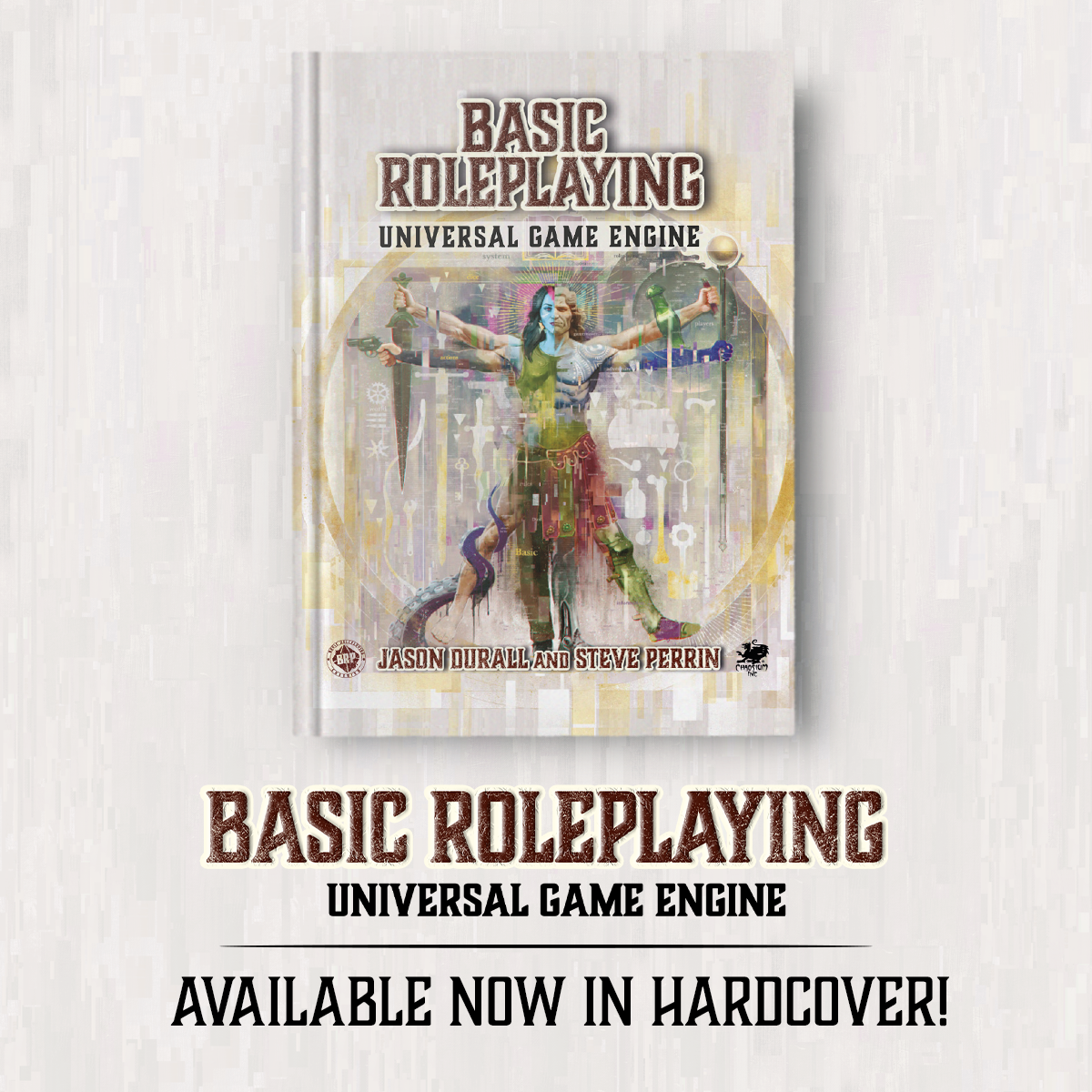
A standout role-playing game (RPG) is defined by the seamless integration of player agency, deep character progression, and a reactive narrative. It succeeds when its mechanics—such as combat and skill trees—directly support the story being told, allowing players to inhabit a character and influence the world through meaningful, long-lasting consequences.
Role-playing games have undergone a massive transformation leading into 2026. While the genre’s roots remain firmly planted in tabletop traditions, the modern digital landscape demands more than just a collection of statistics and a quest log. Today’s players seek "narrative density," a term used by developers to describe worlds where every corner offers a piece of history, an environmental clue, or a unique interaction. To understand what separates a mediocre RPG from a masterpiece, we must examine the pillars of design that foster true immersion.
The Foundation of Narrative Depth and World-Building
The narrative in a good RPG is more than just a plot; it is a framework that supports the player’s existence within the game world. In 2026, the distinction between "lore" and "story" is more critical than ever. Lore provides the history and the "why" of the world, while the story is the "what" that the player is currently doing. A standout RPG uses lore to add weight to the player's actions.
Internal Consistency and "The Lived-In World"
A world that feels alive must obey its own internal logic. If a game world is established as a place of extreme scarcity, the economy, NPC behavior, and even the visual design of the cities must reflect that. When a player finds a hidden cache of food in a starving city, the impact is felt because the world-building has established the value of that resource.
Show, Don’t Just Tell
Great RPGs avoid "lore dumps"—long, unskippable dialogues or walls of text that explain the history of the world. Instead, they use environmental storytelling. Discovering a series of letters in a ruined farmhouse that chronicles a family’s slow descent into madness is far more impactful than an NPC telling the player, "This area was destroyed by monsters."
Agency and Choice: Moving Beyond Binary Decisions
Player agency is the heart of the RPG experience. It is the ability for the player to make a choice that fundamentally alters the course of the game or the state of the world. However, simply offering "Good" and "Evil" choices is no longer sufficient for a high-quality RPG in 2026.
The Nuance of Grey Morality
The most compelling choices are those where there is no clear right or wrong answer. These "grey" choices force the player to weigh their own personal values against the needs of the game world. For example, a player might have to choose between a ruthless leader who brings stability to a region or a kind-hearted leader whose incompetence leads to chaos. When both options have significant downsides, the choice becomes a reflection of the player's character.
Reactive Systems and Long-Term Consequences
A standout RPG tracks player decisions and brings them back in unexpected ways. This is often referred to as "reactivity." If a player saves a minor NPC in the first act of the game, that NPC might return in the final act to offer a critical piece of assistance. If the world doesn't acknowledge what the player has done, the illusion of the role-playing experience is shattered.
Character Development: The Mechanics of Growth
Character progression is the primary "hook" that keeps players engaged for dozens or hundreds of hours. This involves two distinct types of growth: mechanical (stats and skills) and narrative (the character’s arc).
The Satisfying Power Curve
A well-designed RPG manages the player's power curve carefully. In the early game, the player should feel vulnerable, making every small upgrade feel significant. By the late game, the player should feel powerful, but they should still face challenges that require them to use their full suite of abilities. The transition from a "nobody" to a "hero" (or "villain") must feel earned.
Skill Trees and Customization
Meaningful customization allows players to express themselves through their "build." A good RPG ensures that different playstyles are viable. Whether a player chooses to be a silver-tongued diplomat, a stealthy assassin, or a brute-force warrior, the game systems must provide unique ways to solve problems. In 2026, we see a move away from restrictive classes and toward "fluid systems" where players can mix and match abilities to create a hybrid identity.
Combat and Gameplay Systems: Balancing Friction and Fun
While some RPGs focus heavily on dialogue, combat remains a central component for most. The key to "good" combat in an RPG is tactical depth and mechanical variety.
Synergy Between Abilities
Combat is most engaging when players can combine different skills for a greater effect. For example, using a "Rain" spell followed by a "Lightning" spell to shock a group of enemies creates a satisfying sense of mastery. This encourages experimentation and prevents the gameplay from becoming a repetitive cycle of "pressing the basic attack button."
Encounter Design
Standard "trash mobs"—enemies that exist only to slow the player down—are a sign of poor RPG design. Standout games feature handcrafted encounters where the terrain, enemy composition, and objectives vary. Every fight should feel like a mini-puzzle that requires the player to adapt their strategy.
Immersion Through Presentation and Sound
The sensory experience of an RPG is what anchors the player in the world. High-fidelity graphics are less important than artistic cohesion. A game with a unique, consistent art style will always be more immersive than one that chases photorealism but lacks a soul.
Diegetic User Interfaces
A trend that has matured in 2026 is the use of diegetic UIs—interfaces that exist within the game world. Instead of a floating mini-map, a character might pull out a physical map. Instead of a health bar, the character’s physical appearance might deteriorate as they take damage. This reduces the "barrier" between the player and the game world.
The Role of Soundscapes
Music and sound design are essential for setting the tone. A haunting cello melody in a graveyard or the bustling sounds of a marketplace can do more for immersion than any piece of dialogue. Dynamic music systems that change based on the player’s actions or the intensity of a battle are now a standard expectation for top-tier RPGs.
Comparative Analysis of RPG Sub-genres
To understand what makes an RPG stand out, we must recognize that different sub-genres prioritize different elements.
| Sub-genre | Primary Focus | Key Mechanic | Example Philosophy |
|---|---|---|---|
| CRPG (Computer RPG) | Narrative Reactivity | Isometric perspective, deep dialogue trees | Player agency above all; world-state tracking. |
| ARPG (Action RPG) | Combat & Loot | Real-time combat, randomized gear | High-speed progression and "power fantasy." |
| JRPG (Japanese RPG) | Linear Story & Group Dynamics | Turn-based or hybrid combat, set protagonists | Emotional character arcs and party synergy. |
| Open World RPG | Exploration | Large, seamless maps with emergent gameplay | Freedom to go anywhere; environmental discovery. |
| Soulslike | Environmental Storytelling | Challenging combat, indirect lore delivery | Learning through failure; atmospheric tension. |
The Evolution of RPGs: Trends in 2026
As we navigate through 2026, the definition of a "good" RPG continues to expand. Two major developments have changed the landscape: AI-driven NPC interactions and procedural narrative branches.
AI-Enhanced NPC Depth
Modern RPGs have begun integrating Large Language Models (LLMs) to allow for more natural conversations. Instead of picking from a list of pre-written lines, players can sometimes type or speak their own responses, with NPCs responding in character. While this technology is still being refined, the games that implement it successfully offer a level of role-playing that was previously impossible.
Procedural Narrative
To combat the issue of "one-and-done" playthroughs, some developers are using procedural systems to generate side quests that feel personal to the player's history. If you have spent the game being a thief, the procedural system might generate a questline involving a guild of shadows that specifically references your past crimes. This makes the game world feel uniquely tailored to the individual player.
Common Pitfalls That Ruin RPGs
Even with a massive budget, an RPG can fail if it falls into these common traps:
- Quest Bloat: Filling the map with "fetch quests" (go here, get that) that don't contribute to the story or world-building.
- Lack of Impact: Making the player feel like a bystander in their own story. If the world doesn't change based on player actions, it isn't a true RPG.
- Poor Pacing: Forcing the player to grind for levels to progress the main story. This artificial "padding" breaks the narrative flow.
- Inconsistent Tone: A game that tries to be a dark, gritty tragedy one moment and a slapstick comedy the next without proper transition can alienate players.
Frequently Asked Questions
Does an RPG need to be open-world to be good?
No. Many of the most highly-rated RPGs are "linear" or "hub-based." An open world can often lead to "empty world" syndrome where there is a lot of space but very little meaningful content. A focused, high-density linear RPG often provides a much tighter and more impactful narrative experience.
What is the difference between an RPG and an Action game with RPG elements?
The distinction lies in depth of choice and progression. An action game might have a level-up system, but an RPG allows the player to make choices that affect the story, dialogue, and world-state. In an RPG, the "Role" you play is as important as the combat you engage in.
Is combat necessary for a good RPG?
While rare, "non-combat" RPGs do exist and can be exceptional. These games focus entirely on social interaction, investigation, and skill checks. If the writing and mechanics are deep enough to support the experience without violence, it can still be a standout RPG.
Why is "pacing" so important in long RPGs?
Since RPGs can last anywhere from 40 to over 100 hours, maintaining momentum is crucial. If the story drags in the middle, players will lose interest. A good RPG alternates between high-stakes story missions and quieter moments of exploration or character building to keep the player engaged.
What role does the "Party" play in a standout RPG?
In many RPGs, the companions are the heart of the game. Standout titles feature party members with their own goals, fears, and internal conflicts. They shouldn't just be "stat sticks" that help in combat; they should react to the player's choices, sometimes even leaving the party or turning against the player if their values clash.
Final Recommendation for Players and Creators
Whether you are looking for a game to play or designing one yourself, always look for the "Human Element." The best RPGs are those that understand human nature—our desire for growth, our struggle with difficult choices, and our need to belong to a world larger than ourselves. A good RPG provides the tools, but a standout RPG provides the reason to use them. For players in 2026, the best next step is to seek out titles that prioritize "narrative reactivity" over sheer map size. Look for games where your presence is felt in every tavern, every battlefield, and every conversation.
Image Gallery
Select an image to open it in a new tab.


Simon Caldwell
Enterprise Technology and Systems Editor
