Your First Doctor's Appointment When Pregnant: A Comprehensive Guide to the Initial Prenatal Visit

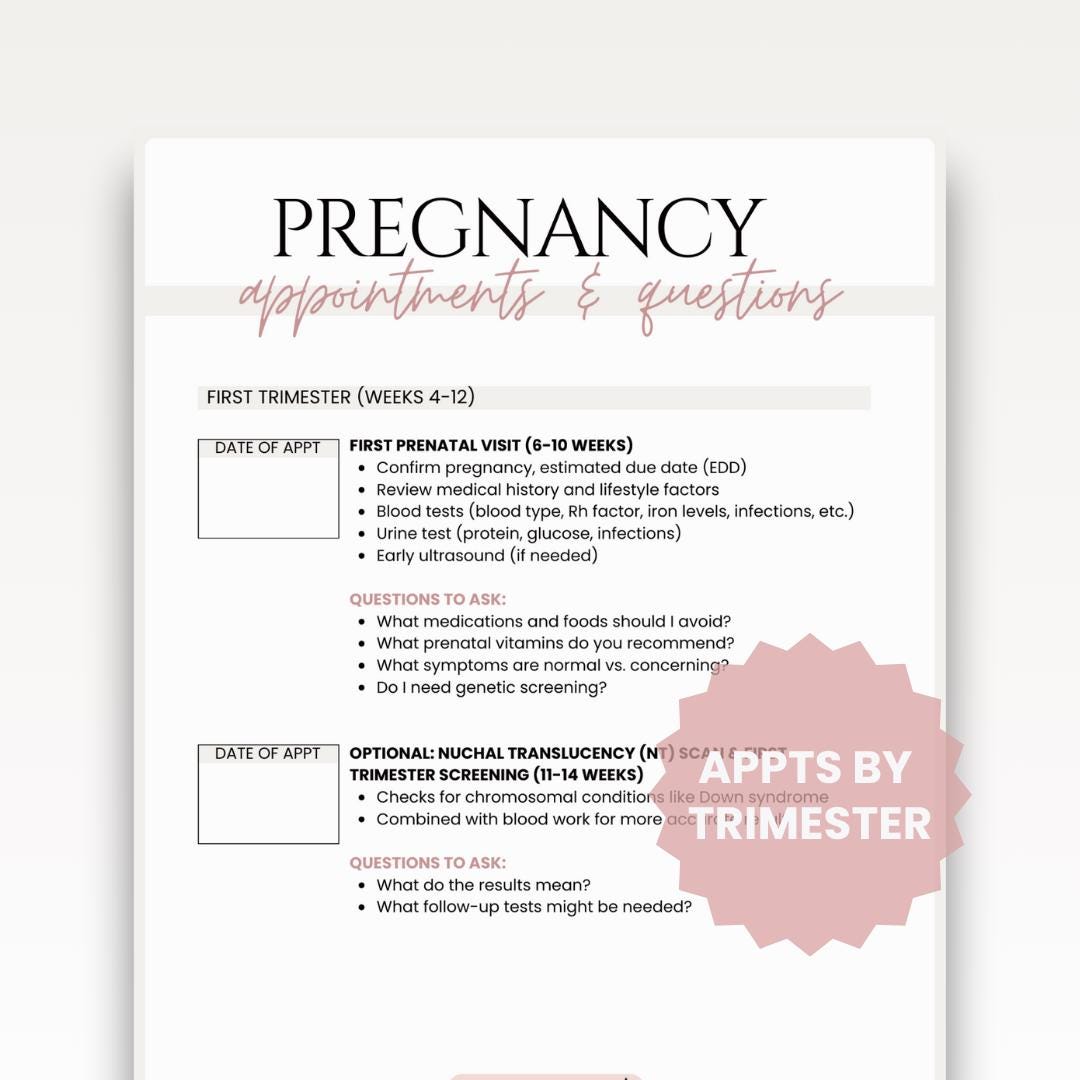
The first doctor's appointment when pregnant, typically scheduled between week 8 and week 10 of gestation, is a comprehensive medical evaluation designed to confirm pregnancy viability, establish an accurate due date, and screen for potential health risks. This visit involves an extensive review of your medical history, physical examinations, and initial laboratory testing to ensure a healthy foundation for the next nine months.
The discovery of a positive pregnancy test often triggers a mix of excitement and urgency. However, for most low-risk pregnancies in 2026, healthcare providers prefer to wait until the fetus is developed enough to be clearly visible on an ultrasound before conducting the first formal prenatal intake. This guide provides a detailed roadmap of what to expect, how to prepare, and why this specific appointment is the most critical milestone in your first trimester.
Determining the Timing of Your First Visit
In standard obstetric care, the "first visit" usually occurs when you are approximately 8 to 10 weeks pregnant, calculated from the first day of your last menstrual period (LMP). While it may feel like a long wait after a positive home test at 4 or 5 weeks, this timing is intentional. By the eighth week, a fetal heartbeat is consistently detectable via ultrasound, and the embryo has developed sufficiently for accurate measurements.
There are exceptions where an earlier "confirmation visit" or "early pregnancy assessment" may be necessary. You should contact a provider immediately for an earlier appointment if you experience:
- Vaginal bleeding or unusual spotting.
- Severe abdominal pain or cramping, especially on one side.
- A history of ectopic pregnancy or recurrent miscarriage.
- Pre-existing chronic conditions like Type 1 diabetes, epilepsy, or hypertension that require immediate medication adjustments.
- Pregnancy achieved through Assisted Reproductive Technology (ART) like IVF.
Selecting Your Maternity Care Provider
Before the appointment, you must decide what type of provider aligns with your birth philosophy and medical needs. In 2026, the landscape of maternity care offers several distinct paths:
Obstetrician-Gynecologists (OB/GYNs)
OB/GYNs are medical doctors specializing in pregnancy and female reproductive health. They are trained to manage both low-risk and high-risk pregnancies, including surgical interventions like C-sections. This is often the preferred choice for individuals with underlying health issues.
Certified Nurse-Midwives (CNMs)
Midwives provide a holistic approach to pregnancy, focusing on the natural progression of labor and birth. CNMs are registered nurses with advanced degrees in midwifery. They typically manage low-risk pregnancies and often work in collaboration with OB/GYNs if complications arise.
Maternal-Fetal Medicine (MFM) Specialists
Also known as perinatologists, these doctors specialize in "high-risk" pregnancies. You may be referred to an MFM if you are carrying multiples, are of advanced maternal age, or have significant pre-existing health complications.

Essential Preparation: Information to Gather
The initial prenatal visit is data-heavy. To maximize the time with your provider, you should arrive with a clear record of your medical history. This isn't just a formality; your history dictates the "pathway" of care your provider will choose.
Key information to prepare includes:
- The Date of Your Last Menstrual Period: This remains the primary method for calculating your Estimated Due Date (EDD) until an ultrasound confirms it.
- Medical and Surgical History: Include any chronic illnesses, past surgeries (especially on the uterus or cervix), and mental health history.
- Medication List: List every prescription, over-the-counter medication, and herbal supplement you take. Some medications are teratogenic (can cause birth defects) and must be swapped immediately.
- Gynecological History: Details on past infections, abnormal Pap smears, and any history of uterine fibroids or endometriosis.
- Family Medical History: Focus on genetic conditions, such as Down syndrome, cystic fibrosis, or sickle cell anemia, on both the maternal and paternal sides.
- Past Pregnancy Outcomes: If you have been pregnant before, the provider needs to know about miscarriages, terminations, preterm births, or complications like preeclampsia or gestational diabetes.
The Physical Examination and Lab Work
Once the history is recorded, the clinical assessment begins. This is often the longest physical exam you will have during the pregnancy.
Vital Signs and Baseline Measurements
The clinical staff will record your height, weight, and blood pressure. Establishing a baseline blood pressure is vital for the later diagnosis of preeclampsia. Your "starting weight" helps the doctor provide a personalized recommendation for pregnancy weight gain based on your Body Mass Index (BMI).
The Pelvic Exam and Pap Smear
The provider will perform a pelvic exam to check the size and shape of your uterus and the condition of your cervix. If you are due for a Pap smear, it will be performed to screen for cervical cancer. The provider will also screen for certain sexually transmitted infections (STIs), such as chlamydia and gonorrhea, which can affect the pregnancy or the baby during delivery.
Comprehensive Laboratory Testing
Expect to provide several vials of blood. These tests are standardized to identify hidden risks:
- Blood Type and Rh Factor: If you are Rh-negative and the baby is Rh-positive, your body could produce antibodies that attack the baby's red blood cells. This is managed with a RhoGAM injection later in pregnancy.
- Complete Blood Count (CBC): Checks for anemia (low iron) and infection.
- Immunity Screening: Verifies if you are immune to Rubella (German measles) and Varicella (chickenpox).
- Urinalysis: Checks for protein (kidney function), glucose (diabetes risk), and bacteria (UTIs).
| Test Name | Purpose | Timing |
|---|---|---|
| HCG Level Test | Confirms pregnancy hormone levels. | First Visit |
| Rh Factor Screening | Identifies blood incompatibility risks. | First Visit |
| Hemoglobin/Hematocrit | Screens for iron-deficiency anemia. | First & Third Trimester |
| STI Screening | Tests for HIV, Syphilis, and Hepatitis B. | First Visit |
| NIPT (Optional) | Non-Invasive Prenatal Testing for genetic markers. | Week 10+ |
The Dating Ultrasound
The highlight of the first doctor's appointment for most patients is the ultrasound. In the first trimester, this is often a transvaginal ultrasound, where a small probe is inserted into the vagina to get a clearer view of the uterus, which is still tucked deep in the pelvis.
The goals of this ultrasound are:
- Confirmation of Intrauterine Pregnancy: Ensuring the embryo is implanted in the uterus and not in a fallopian tube (ectopic).
- Detection of Fetal Heartbeat: A visible heartbeat is a strong indicator that the pregnancy is progressing normally.
- Accurate Dating: The sonographer measures the "crown-rump length" (CRL). In the first trimester, this measurement is accurate within 3 to 5 days and is used to finalize your due date.
- Checking for Multiples: This is when you will find out if you are expecting twins or triplets.
Discussion of Lifestyle and Safety
After the physical exams, you will have a consultation regarding "the do's and don'ts." In 2026, guidelines emphasize evidence-based lifestyle adjustments rather than blanket restrictions.
Nutritional Guidelines
You will be advised to take a prenatal vitamin containing at least 400-800 mcg of folic acid to prevent neural tube defects. Your provider will also discuss food safety, specifically avoiding raw seafood, unpasteurized dairy, and deli meats unless heated, to prevent infections like Listeria and Toxoplasmosis.
Substance Use and Environmental Hazards
Discussion will cover the cessation of alcohol and nicotine. Regarding caffeine, the standard medical consensus remains that up to 200mg per day (about one 12-ounce cup of coffee) is generally considered safe. You may also be advised to avoid certain household chores, such as changing cat litter, due to the risk of toxoplasmosis.
Mental Health Screening
Modern prenatal care includes a baseline screening for depression and anxiety. Pregnancy triggers significant hormonal shifts, and establishing a mental health baseline early allows for better support if postpartum depression becomes a factor later.
Potential Challenges and Red Flags
It is important to acknowledge that the first appointment can sometimes bring unexpected news. If the ultrasound shows a gestational sac but no embryo (blighted ovum), or if the fetal heart rate is lower than expected, your provider will schedule a follow-up "viability scan" usually 7 to 10 days later.
Understanding "Normal" vs. "Concerning" symptoms is a key takeaway from this visit. Most providers will give you a list of symptoms that require an immediate call to their after-hours line:
- Heavy vaginal bleeding (soaking a pad in an hour).
- Fever over 100.4°F (38°C).
- Persistent vomiting that prevents hydration (Hyperemesis Gravidarum).
- Unilateral (one-sided) pelvic pain.
Mapping Out the Prenatal Calendar
Before you leave the office, the staff will provide a schedule for the remainder of your pregnancy. For a low-risk pregnancy, the frequency of visits is typically:
- Weeks 4 to 28: Once every four weeks.
- Weeks 28 to 36: Once every two weeks.
- Weeks 36 to Birth: Once every week.
Future appointments will be shorter, focusing on fetal heart tones (using a Doppler), fundal height measurements, and blood pressure checks. You will also be scheduled for the Anatomy Scan (the "Big Ultrasound") between 18 and 22 weeks and the glucose challenge test for gestational diabetes around 24 to 28 weeks.
Frequently Asked Questions
Can my partner or a support person attend the first appointment? Yes, and it is highly encouraged. The first visit involves a significant amount of information and often the first glimpse of the fetus on ultrasound. Having a partner present helps in recording family medical history and ensures two sets of ears are listening to the provider's instructions and the schedule of future care.
What if I don't have insurance or a regular doctor? If you are currently uninsured in 2026, you may be eligible for Pregnancy-Related Medicaid or state-specific programs that provide immediate coverage. Many community health clinics and Planned Parenthood locations offer "sliding scale" fees for prenatal care. It is vital not to delay care due to cost; early intervention is the best way to ensure a healthy outcome.
Do I need to have a full bladder for the first ultrasound? Requirements vary by office and the type of ultrasound. For a transvaginal ultrasound, an empty bladder is usually preferred. For a transabdominal ultrasound (if you are further along, closer to 11-12 weeks), a full bladder can help lift the uterus for better visibility. It is best to ask the receptionist when you check in.
Will I get a 3D or 4D ultrasound at the first visit? Typically, no. The first ultrasound is functional and diagnostic, used primarily for dating and viability. The embryo at 8-10 weeks is very small (about the size of a raspberry) and does not yet have the facial features that make 3D/4D imaging desirable. Those specialized scans are usually performed later in the second or third trimester.
What if I am already taking a specific medication for a chronic condition? Do not stop taking prescribed medications before the appointment unless your doctor specifically told you to do so. Suddenly stopping certain medications (like SSRIs or blood pressure meds) can be dangerous. Instead, bring the bottles with you and discuss the risks and benefits of continuing or switching them during the consultation.
Practical Recommendation: Before your appointment, write down your top three concerns or questions in a digital note or on paper. The first visit can be overwhelming, and it is easy to forget specific questions about exercise, travel, or work safety once the clinical exam begins. Having a written list ensures you leave the office feeling fully informed and confident in your care plan.
Image Gallery
Select an image to open it in a new tab.




Omar Farooq
EdTech Innovation and Virtual Pedagogy Journalist
