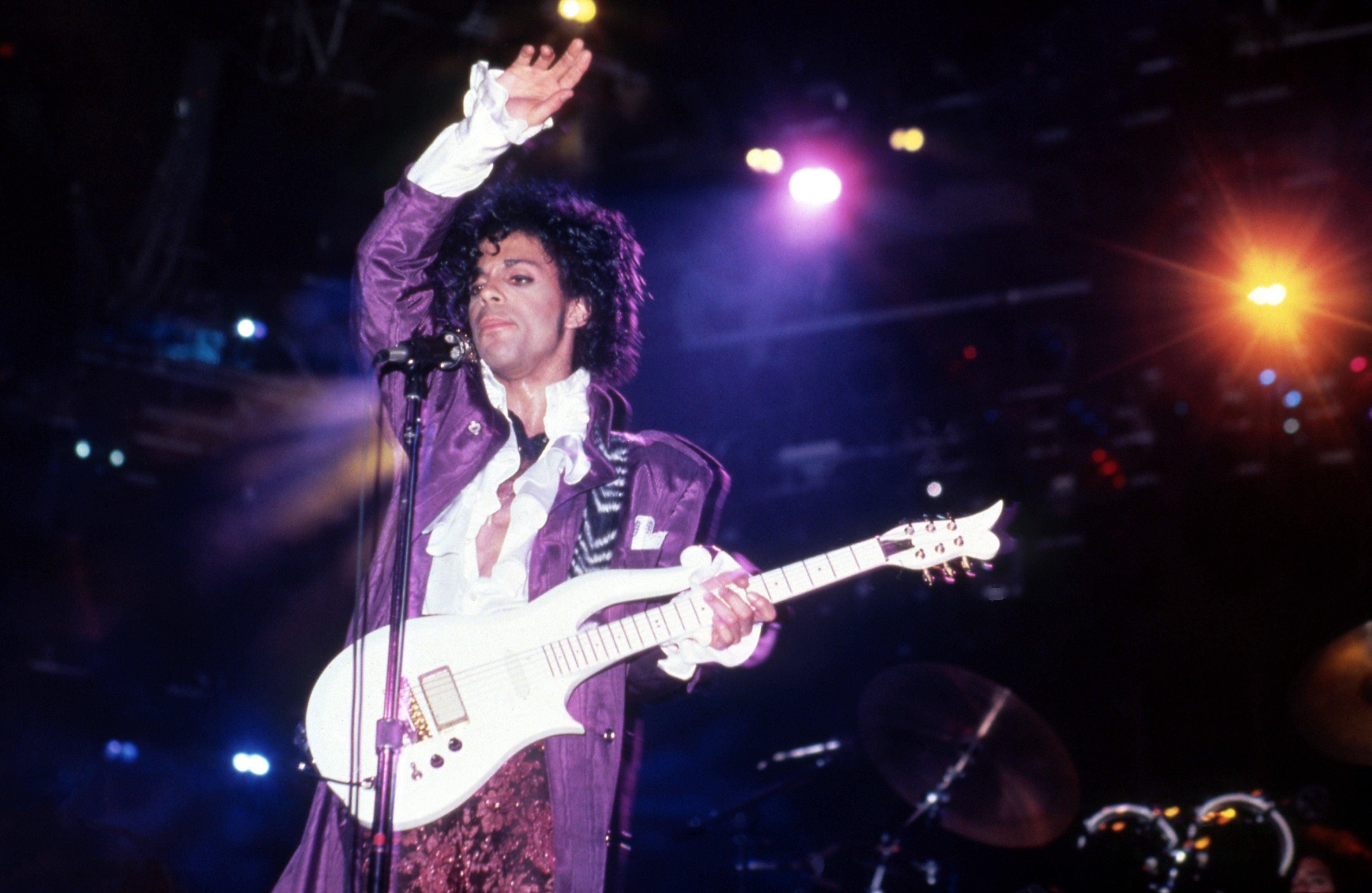
Dwight Yoakam’s version of "Purple Rain" was released in 2016 as a standout track on his bluegrass-inspired album, Swimmin' Pools, Movie Stars.... This rendition transforms Prince’s iconic power ballad into a "high-lonesome" acoustic lament, utilizing traditional bluegrass instrumentation like banjo, fiddle, and mandolin to honor the late artist's legacy while showcasing Yoakam's stylistic versatility.
The Genesis of a Genre-Bending Tribute
The story of Dwight Yoakam’s "Purple Rain" is inextricably linked to the events of 2016. As Yoakam was deep in the recording process for his first full-length bluegrass project, the music world was rocked by the sudden passing of Prince in April of that year. Yoakam, an artist who has spent his career blurring the lines between traditional country, rockabilly, and pop, felt a profound need to pay homage to the Minneapolis legend.
The album, Swimmin' Pools, Movie Stars..., was originally conceived as a way to celebrate the 30th anniversary of Yoakam’s debut by rerecording his own classic hits with a bluegrass ensemble. However, the sessions at Southern Ground Studios in Nashville and Capitol Studios in Hollywood took an emotional turn following Prince’s death. Yoakam and his producers, Gary Paczosa and Jon Randall, realized that "Purple Rain" possessed a melodic structure that, while rooted in gospel and rock, shared a DNA with the mournful "mountain music" of Appalachia.
Yoakam’s decision to include the cover wasn't just a marketing move; it was a testament to the universal nature of Prince's songwriting. By stripping away the synthesizers and the searing electric guitar solos of the 1984 original, Yoakam revealed the raw, soulful core of the composition. As of 2026, this version remains one of the most respected "cross-pollinated" covers in modern music history, frequently cited as a masterclass in how to adapt a song across radically different genres without losing its emotional integrity.
Musical Arrangement: From Minneapolis Funk to Bluegrass Lament
To understand why Dwight Yoakam’s version works, one must look at the technical arrangement of the track. Bluegrass is defined by its acoustic nature, rapid-fire picking, and the "high lonesome" vocal style. Transposing a synth-heavy rock anthem into this format required a delicate touch.
Instrumentation and Texture
The electric guitar, which serves as the spine of Prince's version, is replaced by a sophisticated web of acoustic strings. The "soaring" quality of the original's climax is mirrored by the fiddle, which provides a melodic weepiness that parallels Prince’s vocal gymnastics. The mandolin adds a rhythmic "chop," filling the space usually occupied by a drum kit or a LinnDrum machine.
Yoakam’s vocal performance is notably restrained compared to his more upbeat honky-tonk tracks. He leans into his signature Kentucky-inflected "hiccup" and vibrato, but he grounds the song in a sense of weary resignation. This shift in tone changes the song from a communal anthem of shared pain into a private, introspective mourning ritual.
The Power of Harmony
A hallmark of bluegrass is the three-part harmony, often referred to as the "tenor" and "baritone" stacks. In "Purple Rain," Yoakam uses these harmonies to replicate the gospel-infused backing vocals found in the original's outro. In the bluegrass context, these harmonies take on a liturgical, almost church-like quality, emphasizing the spiritual undertones of the lyrics.

Technical Credits and Production
The success of the track is largely attributed to the "Nashville A-Team" of bluegrass musicians Yoakam assembled for the project. These musicians brought a level of technical proficiency that ensured the complex chord progressions of "Purple Rain" felt natural on acoustic instruments.
| Role | Musician | Notable Background |
|---|---|---|
| Vocals/Acoustic Guitar | Dwight Yoakam | Multi-Grammy winner, pioneer of the "Bakersfield Sound." |
| Fiddle | Stuart Duncan | One of the most recorded session fiddlers in Nashville history. |
| Banjo | Scott Vestal | Renowned for his "newgrass" style and technical precision. |
| Mandolin | Adam Steffey | Multiple IBMA Mandolin Player of the Year winner. |
| Acoustic Guitar | Bryan Sutton | Grammy winner known for flatpicking excellence. |
| Double Bass | Barry Bales | Longtime member of Alison Krauss + Union Station. |
| Producer | Gary Paczosa | Known for his work with Alison Krauss and Nickel Creek. |
The production by Gary Paczosa is particularly noteworthy. Paczosa is famous for his "hi-fi" bluegrass sound—crisp, clean, and incredibly detailed. In 2026, the audio engineering on this track is still used by audiophiles to test the mid-range and high-frequency clarity of sound systems, as the interplay between the banjo and fiddle is captured with exceptional transparency.
The Album Context: Swimmin' Pools, Movie Stars...
"Purple Rain" serves as the emotional anchor for the album Swimmin' Pools, Movie Stars.... While the rest of the record focuses on Yoakam’s back catalog—including bluegrass versions of "Gone (That'll Be Together)" and "Guuitars, Cadillacs"—the Prince cover provides a necessary moment of gravity.
The album title itself is a reference to the theme song of The Beverly Hillbillies, nodding to Yoakam's own journey from the rural hills of Kentucky to the glitz of Hollywood. By including "Purple Rain," Yoakam bridged his two worlds: the sophisticated, avant-garde pop sensibilities of his California life and the foundational, earth-bound music of his youth.
For listeners in 2026, the album represents a pivotal moment in Yoakam’s career where he moved from being a "country star" to a "curator of American song." It demonstrated that the boundaries between Nashville, Hollywood, and Minneapolis were far more porous than critics had previously suggested.
Comparative Analysis: Prince vs. Yoakam
Comparing the two versions reveals how the "soul" of a song can remain intact even when its "body" is completely changed.
- Tempo and Rhythm: Prince’s original relies on a steady, anthemic 4/4 beat with a heavy emphasis on the backbeat. Yoakam’s version introduces a subtle "swing" common in bluegrass, making the song feel more fluid and less grounded by percussion.
- The Iconic Solo: One of the greatest challenges of covering "Purple Rain" is the ending guitar solo. Yoakam’s version handles this by allowing the fiddle and banjo to trade "licks." The banjo’s rapid-fire notes provide the energy, while the fiddle provides the sustain and emotional "cry" of the original electric guitar.
- Vocal Delivery: Prince delivers the song as a plea to a lover or a divine entity, full of operatic highs. Yoakam delivers it as a folk tale, emphasizing the storytelling aspect of the lyrics.
Critical Reception and Cultural Impact
Upon its release, the cover was met with near-universal acclaim. Critics from Rolling Stone and NPR praised Yoakam for his bravery, noting that "Purple Rain" is a notoriously difficult song to cover because Prince’s performance is so definitive. By moving the song into a completely different musical solar system, Yoakam avoided the trap of "karaoke" and created something entirely new.
The impact of the song was felt across the industry:
- Genre Fluidity: It encouraged other country artists to look beyond the "Great American Songbook" and explore 80s pop and R&B for inspiration.
- Bluegrass Visibility: It brought new ears to the bluegrass genre. Many Prince fans who had never listened to a banjo-led track found themselves captivated by the arrangement.
- Tribute Gold Standard: It set a high bar for tribute recordings. Rather than a literal imitation, Yoakam provided a stylistic translation.
In the decade following its release, the track has become a staple of Americana playlists. It is often used in film and television to evoke a sense of nostalgic melancholy, particularly in scenes that deal with the intersection of rural life and modern loss.
Frequently Asked Questions
When was Dwight Yoakam's "Purple Rain" released?
The song was released on September 30, 2016. It appeared as the final track on his bluegrass album, Swimmin' Pools, Movie Stars..., which was issued through Sugar Hill Records and Universal Music Group.
Is there a music video for Dwight Yoakam's version of "Purple Rain"?
While there isn't a traditional narrative music video, there are several "official audio" releases and live performance clips. One notable performance occurred at the Americana Music Honors & Awards, where Yoakam’s live rendition received a standing ovation for its poignant delivery shortly after Prince's passing.
Why did Dwight Yoakam record "Purple Rain" in a bluegrass style?
Yoakam was already in the process of recording a bluegrass album when Prince died in 2016. He wanted to pay tribute to the artist, and after experimenting with the song in the studio, he realized that the melody and lyrics translated perfectly to the "high lonesome" sound of traditional bluegrass instruments.
Who played the instruments on the track?
The track features a "who's who" of bluegrass royalty, including Stuart Duncan on fiddle, Scott Vestal on banjo, Adam Steffey on mandolin, and Bryan Sutton on acoustic guitar. The production was handled by the acclaimed Gary Paczosa and Jon Randall.
Can I find this version on vinyl?
Yes, Swimmin' Pools, Movie Stars... was released on high-quality vinyl in 2016 and has seen several repressings due to its popularity. The vinyl edition is particularly prized by fans for the warmth of the acoustic instrument recordings.
Final Recommendations for Listeners
If you are a fan of Prince, Dwight Yoakam’s version offers a unique opportunity to hear "Purple Rain" with fresh ears. To fully appreciate the technical nuances of the track, it is recommended to listen using high-fidelity headphones or a quality stereo system to catch the intricate interplay between the banjo and fiddle.
Furthermore, those who enjoy this cover should explore the rest of the Swimmin' Pools, Movie Stars... album. It provides a fascinating look at how traditional country music can be reinvented through a bluegrass lens. For those looking for further genre-bending covers, looking into the works of artists like Chris Stapleton or Sturgill Simpson—who also lean into the "Americana" ethos—would be a logical next step in your musical journey.
Image Gallery
Select an image to open it in a new tab.


Lars Thomsen
Global Labor Markets and Economic Strategy Editor
