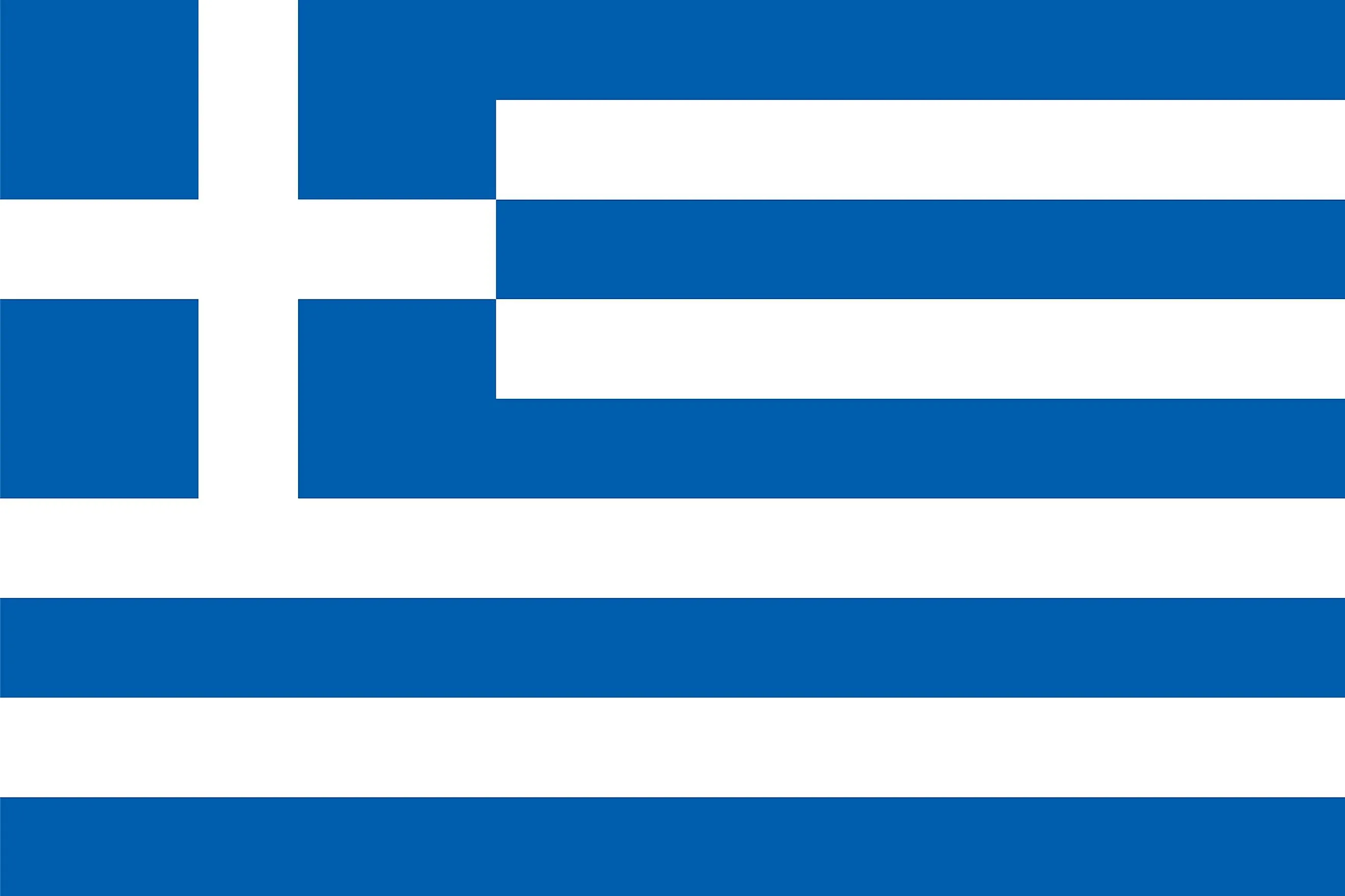
The most prominent flags featuring blue and white stripes with a sun are those of Argentina and Uruguay. Both nations utilize the "Sun of May" (Sol de Mayo) symbol, though their designs differ: Argentina features three horizontal stripes with the sun centered, while Uruguay has nine stripes with the sun in the canton.
Identifying the Flags of the Río de la Plata
When searching for a flag characterized by blue and white colors and a sun emblem, you are almost certainly looking for the national banners of the Río de la Plata region in South America. Specifically, the national flags of Argentina and Uruguay are the primary answers. While they share a common aesthetic and historical origin, their symbolic meanings and visual configurations are distinct.
The presence of the sun—specifically the Sun of May—is a direct reference to the May Revolution of 1810, which marked the beginning of the independence process from the Spanish Empire for the territories of the Vice-royalty of the Río de la Plata. As of 2026, these flags remain powerful symbols of national identity, sovereignty, and the shared revolutionary history of the Southern Cone.
The Flag of Argentina: "La Albiceleste"
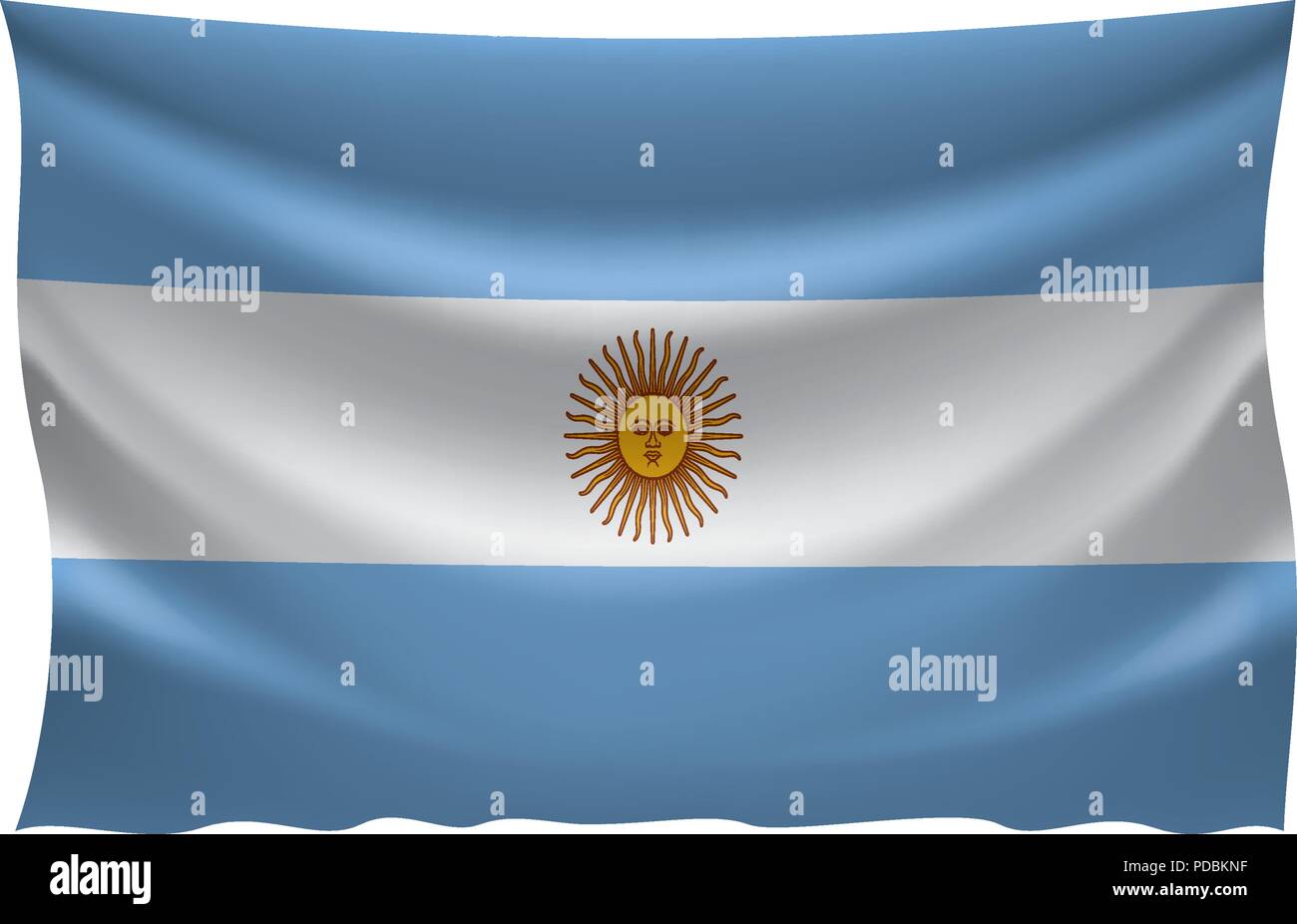
The Argentine flag is one of the most recognized in the world, characterized by its "Albiceleste" (light blue and white) color scheme. It consists of three equal horizontal bands: light blue on the top and bottom, and white in the center.
Historical Origins and Manuel Belgrano
The flag was created by Manuel Belgrano, a lawyer, economist, and military leader, on February 27, 1812, during the Argentine War of Independence. Belgrano designed the flag to distinguish his revolutionary forces from the Spanish royalist troops, who fought under the red and yellow colors of the Spanish crown.
Belgrano originally based the colors on the Cockade of Argentina, which he had created a few days earlier. While popular legends suggest the colors were inspired by the sky and clouds, many historians point to the colors of the House of Bourbon (the Spanish royal house at the time) or the robes of the Virgin Mary, symbolizing loyalty to the deposed King Ferdinand VII while simultaneously asserting local autonomy.
The Sun of May in the Argentine Context
The sun was not part of the original 1812 design. It was added in 1818 to the "Official Ceremonial Flag." The Argentine Sun of May is a radiant golden yellow sun with a human face and 32 rays: 16 straight and 16 wavy, alternating in a specific pattern.
In Argentine legislation, there is a distinction between the "Official Ceremonial Flag" (with the sun) and the "Ornamental Flag" (without the sun). However, as of 2026, both are considered legitimate representations of the nation, though the version with the sun is the definitive national standard used in official government and international contexts.
The Flag of Uruguay: "El Pabellón Nacional"
Uruguay’s national flag, often referred to as El Pabellón Nacional, also utilizes the blue, white, and sun motif but arranges them in a more complex pattern influenced by the aesthetics of the United States flag.
Layout and Stripes
The Uruguayan flag consists of nine horizontal stripes of equal width, alternating white and blue. These nine stripes represent the nine original departments (provinces) of Uruguay that existed at the time the flag was established. The "Sun of May" is located in the canton—the upper-left square of the flag—which is white.
Adoption and Evolution
The flag was officially adopted by law on December 16, 1828, following the Treaty of Montevideo, which recognized Uruguay's independence after the Cisplatine War. The original design actually featured 19 stripes, but this was reduced to nine in 1830 to improve visual clarity and symbolize the consolidation of the state.
The Uruguayan Sun of May
While it shares the name "Sun of May" with the Argentine symbol, the Uruguayan version has technical differences. The Uruguayan sun features 16 rays: 8 straight and 8 wavy. It represents the Incan sun god Inti, symbolizing the birth of a new nation and the light of independence shining over the Río de la Plata.
Technical Comparison: Argentina vs. Uruguay
Understanding the technical specifications of these flags is essential for vexillology (the study of flags) and for ensuring accurate reproduction.
| Feature | Flag of Argentina | Flag of Uruguay |
|---|---|---|
| Primary Colors | Celeste (Light Blue) and White | Blue and White |
| Stripes | 3 Horizontal (Blue, White, Blue) | 9 Horizontal (White and Blue) |
| Sun Placement | Center of the white stripe | White Canton (top-left) |
| Sun Ray Count | 32 (16 straight, 16 wavy) | 16 (8 straight, 8 wavy) |
| Proportion (Ratio) | 9:14 (Commonly 2:3) | 2:3 |
| Symbolic Origin | May Revolution / Cockade | Original 9 Departments / Inti |
| Date Adopted | 1812 (Current version 1818) | 1828 (Current version 1830) |
The "Sun of May" (Sol de Mayo) Explained
The sun featured on these flags is more than just a decorative element; it is a profound political and cultural symbol. The name refers to the May Revolution which occurred between May 18 and May 25, 1810.
The Incan Connection
The Sun of May is a representation of Inti, the ancient Incan sun god. By choosing an indigenous symbol, the revolutionary leaders of the early 19th century were making a deliberate statement of "Americanism." It served to distance the new republics from European monarchical symbols and ground their identity in the deep history of the South American continent.
Design Specifics
The "human face" on the sun is a characteristic of 19th-century heraldry. In the Argentine version, the sun is often referred to as the Sol Incaico (Incan Sun). The alternating straight and wavy rays represent the heat (wavy) and light (straight) of the sun, signifying a balanced and powerful nation.
Other Related or Similar Flags
While Argentina and Uruguay are the most likely answers, other flags feature similar elements that can lead to confusion.
The Federal Republic of Central America
In the early 19th century, several Central American nations (Guatemala, El Salvador, Honduras, Nicaragua, and Costa Rica) formed a federation. Their flag was inspired by Argentina’s blue-white-blue horizontal stripes. While most of these nations now include complex coats of arms in the center rather than a simple sun, the Flag of Nicaragua and the Flag of El Salvador still feature sun-like elements or golden rays within their central emblems.
The Flag of the Philippines
Though not from the same region, the Philippine flag features a sun with eight rays and a blue and red background. In certain lighting or faded conditions, the blue and white elements of the Philippine flag (which includes a white triangle) might be mistaken by a casual observer for the flags of the Río de la Plata. However, the Philippine sun represents the first eight provinces that revolted against Spanish rule.
Regional and Provincial Flags
Within Argentina, several provinces use variations of the sun and blue-white theme. For example, the Flag of the Province of Santa Fe and the Flag of Córdoba incorporate these elements, reflecting their historical ties to the federalist movement.
Vexillological Importance and Protocol
In 2026, the protocols for displaying these flags are strictly governed by national laws to maintain the dignity of the symbols.
- Color Accuracy: For Argentina, the blue is specifically defined as "Cielo" (Sky Blue). In Uruguay, the blue is generally a deeper shade, often referred to as "Cobalt" or "National Blue."
- The Sun’s Position: On the Argentine flag, the sun must be centered both vertically and horizontally within the white band. On the Uruguayan flag, the sun must be centered within the white canton, and the face must always look forward.
- Hoisting and Lowering: Both flags are traditionally hoisted at sunrise and lowered at sunset. In Argentina, when the national flag is flown alongside others, it must occupy the position of honor (the center or the furthest right from the perspective of the observer).
Common Mistakes in Identification
Many people confuse the two flags because of their shared color palette. To tell them apart quickly, remember these "cheat codes":
- If the sun is in the middle, it is Argentina.
- If the sun is in the corner, it is Uruguay.
- If there are many stripes (9), it is Uruguay.
- If there are three stripes, it is Argentina.
Furthermore, some mistakenly believe the sun on the Argentine flag is a recent addition. Historically, the "sunless" flag was used by civilians, while the "sun" flag was reserved for the military and government. Since 1985, Argentine law has unified the flag, allowing civilians to use the version with the Sun of May.
FAQs About Blue and White Flags with a Sun
Why do both Argentina and Uruguay use the Sun of May?
Both countries were part of the same Spanish administrative division, the Vice-royalty of the Río de la Plata. They shared the same revolutionary movement beginning in 1810. Although they eventually became separate sovereign states, they retained the Sun of May as a symbol of their shared independence struggle and their geographical location in the southern hemisphere.
What is the exact shade of blue used in the Argentine flag?
The shade is officially known as Celeste. In technical terms (Pantone), it is often identified as Pantone 284 C or 2985 C. There has been historical debate over whether the original blue was light or dark, but the "Sky Blue" interpretation is the legally established standard in 2026.
Does the number of rays on the sun have a meaning?
Yes. On the Argentine flag, the 32 rays represent the 16 wavy rays of heat and 16 straight rays of light. On the Uruguayan flag, the 16 rays (8 straight, 8 wavy) are a simplified version of the same concept, maintaining the aesthetic of the "radiant sun" while fitting the smaller space of the canton.
Are there any other national flags with just blue, white, and a sun?
Strictly speaking, Argentina and Uruguay are the only two where the sun is a primary, stand-alone element of the national flag design against a blue and white background. Other flags, like those of Malawi or Kazakhstan, feature suns but use different primary colors (black/red/green and light blue/gold, respectively).
Can the Sun of May be used by other organizations?
The Sun of May is a national symbol and is protected by trademark and intellectual property laws in both Argentina and Uruguay. While it appears on currency (like the Argentine Peso) and government documents, its commercial use is often restricted to ensure it is not used in a way that demeans the national honor.
Recommendation for Researchers
If you are trying to identify a specific flag for a project or travel, always verify the stripe count and the placement of the sun. For digital designers, ensure you are using the correct Pantone colors, as "web blue" and "national blue" differ significantly. If you are interested in the historical evolution of these symbols, exploring the archives of the National Historical Museum in Buenos Aires or the National Museum of History in Montevideo will provide the most comprehensive look at the original textiles and executive decrees that shaped these icons.
Image Gallery
Select an image to open it in a new tab.
Lars Thomsen
Global Labor Markets and Economic Strategy Editor
