Why the "Wildfire Evacuation Is Only for the Most Dangerous Areas" Mindset Is Dangerous

The belief that wildfire evacuation is only for the most dangerous areas is a life-threatening misconception. Evacuation orders are issued based on fire behavior models, wind patterns, and the need to clear transit routes before they become impassable. If your zone is under an evacuation order, you are in immediate danger regardless of your proximity to the visible flames.
Understanding the Scope of Wildfire Risk Zones
The concept that evacuation is a tiered necessity based on personal perception of "danger" ignores the fundamental physics of modern wildfires. In 2026, fire management agencies utilize advanced satellite telemetry and predictive AI to determine evacuation boundaries. These boundaries are not suggestions; they are calculated perimeters designed to prevent mass casualty events.
When an emergency management agency defines an evacuation zone, they are accounting for more than just the fire front. They are considering "ember cast"—the phenomenon where wind carries burning debris miles ahead of the actual fire—and the atmospheric conditions that can cause a fire to "jump" entire neighborhoods. If you wait until your specific street looks "dangerous," you have likely already missed the window for a safe exit.
The Subjectivity of Danger vs. Tactical Necessity
Many residents in the Wildland-Urban Interface (WUI) fall into the trap of assessing danger based on what they can see or smell. However, public safety officials view danger through the lens of egress capacity and resource allocation.
- Egress Capacity: Roads have a finite number of vehicles they can handle per hour. If every resident in a "moderately dangerous" area waits until the fire is "most dangerous" to leave, the resulting traffic gridlock traps everyone in the path of the fire.
- Resource Allocation: When residents refuse to leave until the last second, firefighters must shift from active fire suppression to life-saving rescue operations. This allows the fire to grow more rapidly, ironically creating the very "most dangerous" conditions the resident was trying to gauge.
Deconstructing Evacuation Terminology in 2026
To understand why the "most dangerous areas" myth persists, we must look at the specific language used by emergency services. As of 2026, most jurisdictions have standardized their terminology to reduce confusion, yet many civilians still misinterpret these signals.
Evacuation Warning (Voluntary)
An Evacuation Warning (sometimes called an Advisory) means there is a high probability that the fire will impact your area. This is the stage where those with "access and functional needs"—such as the elderly, people with disabilities, or those with large livestock—should leave. Ignoring a warning because your area isn't yet "the most dangerous" is a tactical error. It is the period intended for low-stress relocation.
Evacuation Order (Mandatory)
An Evacuation Order is a legal directive stating that there is an immediate threat to life. At this stage, the area is officially classified as dangerous. There is no longer a distinction between "moderate" and "most" dangerous; the entire zone is a high-risk environment. Law enforcement officers are often deployed to ensure compliance, though their primary focus is clearing the path for emergency vehicles.
Shelter-in-Place
This is a rare directive used when evacuation is more dangerous than staying put (e.g., when all exit routes are already compromised). This is not a choice made by the resident but a desperate instruction from officials. Thinking you can choose to shelter-in-place because you aren't in the "most dangerous" area is a misunderstanding of how quickly modern fires consume residential structures.
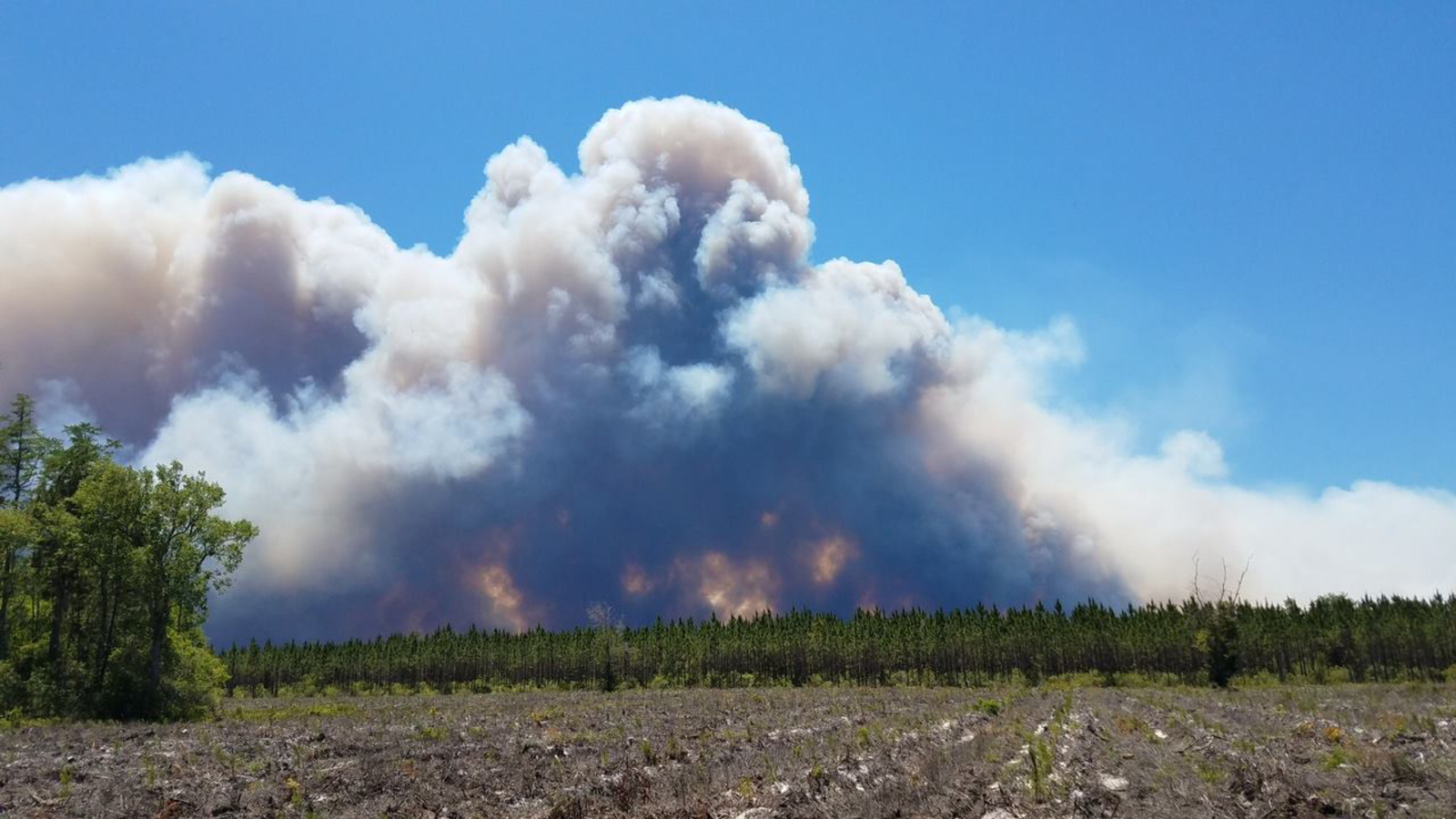
The Science of Ember Cast and Fire Fronts
One of the primary reasons people believe they are safe in "less dangerous" areas is a lack of understanding regarding how fires actually travel. A wildfire is not a slow-moving wall of flame; it is a dynamic system.
Embers (Brand Cast): Statistics from the National Fire Protection Association (NFPA) consistently show that up to 90% of homes destroyed during wildfires are ignited by embers, not the main fire front. These embers can travel over two miles in high winds. You may feel safe because the "dangerous" fire front is five miles away, but your roof or gutters could ignite within minutes due to wind-blown brands.
Radiant Heat: Even if the fire does not touch your home, the radiant heat from a massive wildfire can reach temperatures high enough to spontaneously ignite siding or break windows from dozens of yards away. Areas that seem "safe" are often well within the radius of lethal radiant heat.
| Stage of Alert | Level of Threat | Action Required | Infrastructure Status |
|---|---|---|---|
| Ready | Potential threat in region | Prepare "Go Bag" and harden home | Normal operations |
| Set (Warning) | Significant threat likely | Pack vehicle; transport pets/livestock | Increased traffic; smoke present |
| Go (Order) | Immediate threat to life | Leave immediately; do not wait | Road closures; limited visibility |
| Shelter-in-Place | Egress routes blocked | Seal home; stay away from windows | Extreme danger; no rescue possible |
The Logistics of Mass Evacuation
The "most dangerous areas" myth fails to account for the sheer logistics of moving thousands of people simultaneously. In 2026, urban planning in fire-prone regions emphasizes the "Early Exit" strategy.
When an evacuation order is issued, it often encompasses a large "buffer zone." This buffer exists because fire behavior is erratic. A sudden shift in wind direction can turn a "low risk" zone into a "high risk" zone in under fifteen minutes. By the time the authorities could update the order to include your specific street as "most dangerous," the heat and smoke may already make driving impossible.
Furthermore, power outages are common during wildfires. In 2026, many modern home features—automated garage doors, security gates, and electric vehicle charging systems—rely on a stable grid. If you wait until the fire is "dangerous" enough to trigger your flight instinct, you may find yourself trapped in your own driveway without power to open your gates.
Legal and Insurance Implications of Staying
While the primary concern of evacuation is life safety, there are significant secondary consequences to ignoring orders based on a personal assessment of danger.
Liability and Emergency Services
In many jurisdictions, if you ignore a mandatory evacuation order, emergency responders are not legally or ethically obligated to risk their lives to save yours. When you choose to stay in an area you deem "not dangerous enough," you are essentially signing a waiver that you will face the fire without public assistance.
Insurance Complications
Insurance providers are increasingly looking at "mitigation compliance" when processing claims. If a homeowner ignores a mandatory evacuation order and then attempts to claim total loss, the investigation may look into whether the homeowner's presence hindered fire suppression efforts. While most policies still cover fire damage, the legal hurdles following a "stay-and-defend" incident can be grueling.
Potential Criminal Charges
In some states, refusing to leave a mandatory evacuation zone can result in a misdemeanor charge for obstructing a peace officer or emergency personnel. This is because your presence requires monitoring and potential rescue, which diverts resources from the actual fire-fighting effort.
Preparing the "Ready, Set, Go!" Framework
To combat the "only for dangerous areas" fallacy, residents should follow the "Ready, Set, Go!" program, which is the gold standard for wildfire preparedness in 2026.
- Ready (Ongoing): This involves creating defensible space around your home. Clear brush 30 to 100 feet away from structures. Use fire-resistant landscaping. Ensure your home's vents are covered with fine metal mesh to prevent ember intrusion.
- Set (Warning Issued): This is the "alert" phase. You should have your "Go Bag" in your vehicle. This bag should include prescriptions, important documents (deeds, insurance papers), and three days of food and water. This is when you should leave if you have any doubt about your ability to move quickly later.
- Go (Order Issued): There is no more evaluation. You leave immediately. You follow the designated evacuation routes, as these are the only roads that fire crews are actively working to keep clear of falling trees or downed power lines.
Common Mistakes in Risk Assessment
Humans are notoriously bad at assessing exponential risks like wildfires. Here are the most common errors people make when deciding if their area is "dangerous enough" to leave:
- The "I've Been Here Before" Trap: Just because a previous fire stayed on the other side of the ridge doesn't mean the current one will. Every fire has different fuel loads, moisture levels, and wind speeds.
- The "Defensible Space" Overconfidence: Having a fire-wise home makes it more likely to survive, but it does not make the air breathable. Smoke inhalation kills more people in wildfires than flames do.
- Waiting for the "Knock": Do not wait for a police officer to knock on your door. In a fast-moving fire, there aren't enough officers to reach every house. Use your smartphone alerts and local radio.
- Focusing on the Front: People often look toward the smoke. However, many fires are "spotting" behind them. You may be looking at the danger in front of you while another fire has already started in the "safe" area behind your home.
Frequently Asked Questions
Can I be forced to leave my home?
Legally, in most jurisdictions, law enforcement has the authority to issue a mandatory evacuation order. While they rarely use physical force to remove a resident from their home, they can and will restrict your movement. Once you leave a mandatory zone, you will not be allowed back in until the order is lifted. If you stay, you are effectively trapped until the area is cleared.
What should I do with my pets and livestock?
The "most dangerous area" mindset often leads to people leaving their animals behind, thinking they can come back for them if things get worse. By the time things get worse, the roads will be closed. You must evacuate pets and livestock at the "Warning" stage. Most public shelters in 2026 have provisions for small pets, but large animals require pre-arranged transport to designated fairgrounds or equestrian centers.
Does my "fire-proof" home mean I can stay?
No home is truly fire-proof; they are fire-resistant. Even if the structure survives, the interior temperatures can rise to lethal levels, and the lack of oxygen due to the fire's consumption can lead to asphyxiation. Staying in a fire-resistant home in a mandatory evacuation zone is still life-threatening.
How do I know when it is safe to return?
Safety is determined by more than just the absence of fire. Utilities (gas, electricity, water) must be inspected for damage, and "hazard trees" (trees that are burned but still standing) must be cleared from roadways. Authorities will lift the order only when the infrastructure can support the returning population.
What if I am caught in my car while evacuating?
If you waited too long and are caught in your car, stay inside. Park away from heavy brush or timber. Close all windows, turn off the vents, and cover yourself with a wool blanket on the floorboards. However, this is a last-resort survival tactic, not a plan.
Next Steps for Residents
If you live in a fire-prone region in 2026, your immediate next step is to identify your evacuation zone. Most counties now offer digital maps where you can input your address to see your specific zone designation. Sign up for "Reverse 911" or local emergency text alerts.
Commit to the rule that if an order is issued for your zone, you leave. Abandon the idea that you can judge the danger better than the models and professionals monitoring the fire 24/7. Early evacuation is the only way to ensure that you, your family, and the first responders tasked with protecting your community remain safe.
Image Gallery
Select an image to open it in a new tab.

Declan O'Connor
Higher Education and Campus Culture Reporter
