
As of 2026, the most expensive trading card ever sold is the 1952 Topps Mickey Mantle #311 (SGC 9.5 Mint+), which fetched a staggering $12.6 million at auction. This record-breaking sale solidified the card's status as the "Mona Lisa of the sports card world," surpassing previous records held by the T206 Honus Wagner and rare Pokémon cards.
The landscape of high-end trading card collecting has transformed from a nostalgic hobby into a sophisticated alternative asset class. Whether it is a piece of cardboard from the early 20th century or a modern holographic masterpiece, the value of these items is driven by a precise cocktail of historical significance, population scarcity, and professional grading. This guide examines the elite tier of the hobby, detailing the specific cards that command seven-figure price tags and the mechanics behind their immense valuations.
The Reigning Champion: 1952 Topps Mickey Mantle #311
The $12.6 million sale of the 1952 Topps Mickey Mantle in August 2022 remains the high-water mark for the industry. While Mantle has several cards, the #311 from the 1952 Topps set is iconic not because it is his true rookie card (that honor belongs to the 1951 Bowman), but because it represents the dawn of the modern trading card era.
The Legend of the 1952 Topps Set
The 1952 Topps set was a revolutionary product designed by Sy Berger on his kitchen table. It featured large, colorful portraits and a detailed statistics back. However, the high-number series (which included the Mantle card) was released late in the baseball season and sold poorly. To clear warehouse space, Topps famously loaded thousands of unsold cases onto a barge and dumped them into the Atlantic Ocean. This mass destruction created an artificial scarcity that haunts collectors to this day.
Why the SGC 9.5 Grade Matters
In the world of high-end collectibles, the condition is everything. Most 1952 Mantles suffer from poor centering or "soft" corners. The $12.6 million specimen was graded by Sportscard Guaranty Corporation (SGC) as a 9.5 "Mint+." This means the card is nearly flawless, despite being over 70 years old. In 2026, the "pop report" (population report) for Mantles in this grade remains in the low single digits, making every appearance at auction a global event.
The Traditional Giant: The T206 Honus Wagner
Before the Mantle record, the T206 Honus Wagner was the undisputed king for nearly a century. Produced between 1909 and 1911 by the American Tobacco Company, this card is the cornerstone of "pre-war" card collecting.
The Mystery of the Short Print
The primary reason for the Wagner card's value is its extreme rarity. Only about 50 to 60 copies are known to exist. Legend suggests that Wagner, a non-smoker, demanded his card be pulled from the tobacco sets to prevent children from buying cigarettes to find his likeness. Others suggest he simply wanted more compensation from the tobacco company. Regardless of the reason, the production run was halted early, creating a scarcity that has driven prices as high as $7.25 million in private sales and high-profile auctions.
Investment Stability
The T206 Wagner is often viewed as the "gold standard" of the hobby. Unlike modern cards, which can fluctuate based on a player's current performance, the Wagner card represents sports history. Its value has shown consistent appreciation over decades, making it a preferred target for high-net-worth individuals looking to diversify their portfolios into physical assets.

Non-Sports Records: Pokémon and Magic: The Gathering
While baseball cards have the longest history, the 2020s saw a massive surge in non-sports trading cards (TCGs). Two specific cards have broken the multi-million dollar barrier, appealing to a younger demographic of wealthy collectors.
The Pikachu Illustrator Card
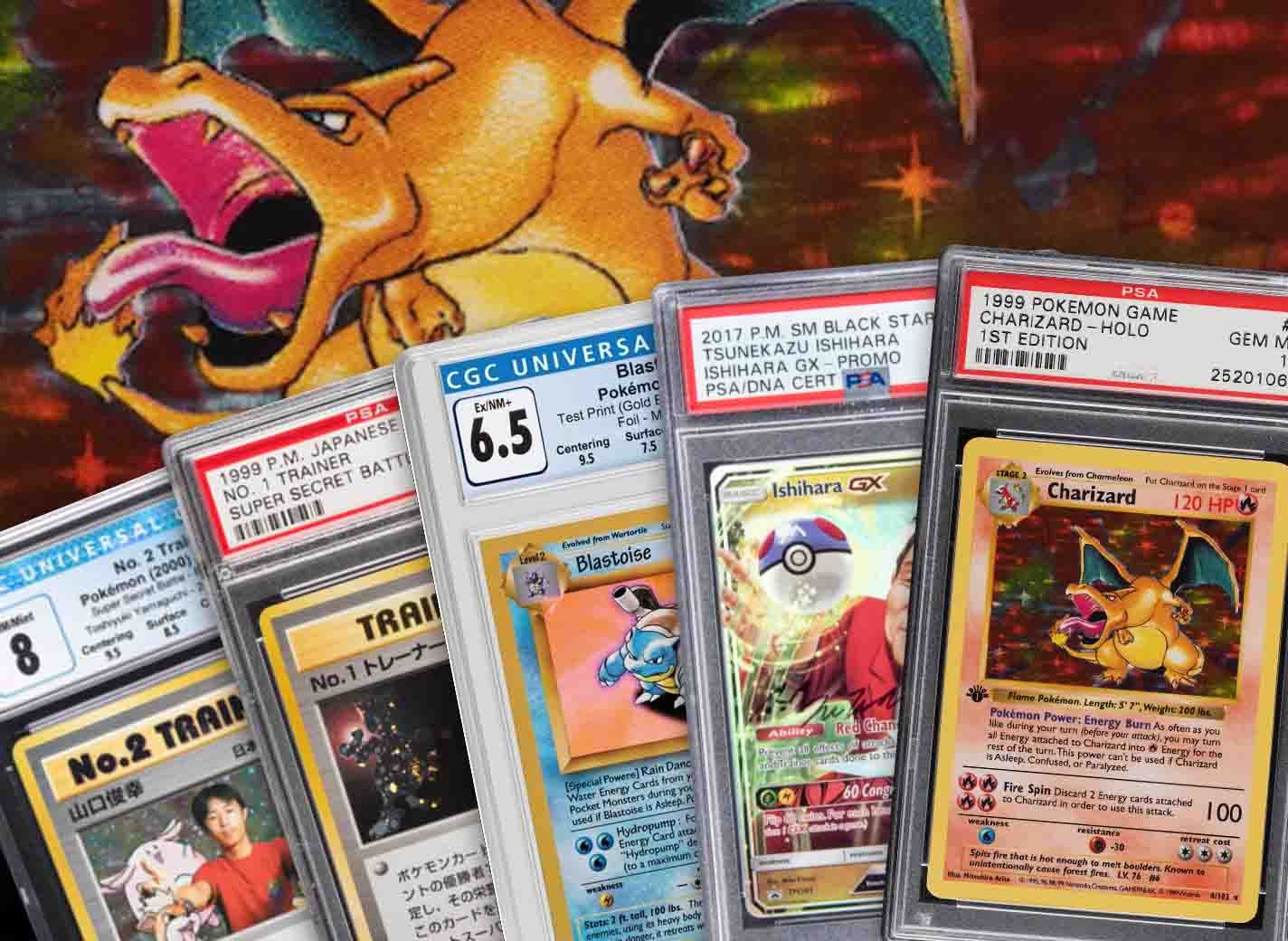
The Pikachu Illustrator is widely considered the most valuable Pokémon card. It was never released in booster packs; instead, it was given as a prize to winners of an illustration contest in 1997 and 1998 in Japan. There are only 39 known copies, but the grade is what separates the millionaires from the billionaires.
In a historic move, influencer Logan Paul acquired a PSA 10 (Gem Mint) Pikachu Illustrator through a trade and cash deal valued at $5.275 million. This set a Guinness World Record for the most expensive Pokémon card sold in a private sale. The card's value is derived from its "CoroCoro" contest origin and the fact that it is the only known PSA 10 in existence.
The One Ring (1/1)
In 2023, the Magic: The Gathering (MTG) community witnessed a unique event. As part of the Lord of the Rings: Tales of Middle-earth set, Wizards of the Coast printed a single, serialized "1 of 1" version of The One Ring card. Unlike other rare cards that have dozens of copies, this card was truly unique—the only one in the world.
After a frantic global search, the card was found in Canada and eventually sold to the musician Post Malone for an estimated $2 million. This sale proved that modern "chase" cards, if marketed correctly and limited to a true 1/1 population, can compete with historical artifacts in terms of pricing.
Comparing the Giants of the Trading Card World
The following table compares the top-tier cards based on their most recent high-value sales and key characteristics.
| Card Name | Estimated Top Value | Category | Notable Rarity Factor |
|---|---|---|---|
| 1952 Topps Mickey Mantle #311 | $12.6 Million | Sports (Baseball) | SGC 9.5 Grade; Ocean Dump Legend |
| T206 Honus Wagner | $7.25 Million | Sports (Baseball) | Production pulled due to dispute |
| Pikachu Illustrator (PSA 10) | $5.275 Million | TCG (Pokémon) | Only one PSA 10 known; Contest prize |
| 1914 Baltimore News Babe Ruth | $7.2 Million | Sports (Baseball) | Ruth's minor league rookie card |
| 2003-04 LeBron James Upper Deck Exquisite | $5.2 Million | Sports (Basketball) | Rookie Patch Auto (RPA) /23 |
| 1951 Bowman Mickey Mantle #253 | $3.1 Million | Sports (Baseball) | Mantle's true rookie card |
| The One Ring (1/1) | $2.0 Million | TCG (Magic) | Unique 1-of-1 serialization |
Factors That Determine Extraordinary Value
Why does one piece of cardstock sell for $10 and another for $10,000,000? In 2026, the valuation of a card is a precise science handled by auction houses and professional graders.
1. Professional Grading and "The Slab"
A card’s raw state is rarely enough for a multi-million dollar sale. Professional grading companies like PSA (Professional Sports Authenticator), SGC, and BGS (Beckett Grading Services) evaluate a card on four primary criteria:
- Centering: How well the image is aligned on the cardstock.
- Corners: Are they sharp and pointed, or rounded and frayed?
- Edges: Are there chips in the ink or physical indentations?
- Surface: Does it have scratches, stains, or "print lines"?
A single point difference (e.g., an SGC 9 vs. an SGC 10) can result in a price difference of hundreds of thousands, or even millions, of dollars.
2. Population Reports (The "Pop" Count)
Collectors track the "Population Report" religiously. This is a public database provided by grading companies that shows how many copies of a specific card exist in each grade. If a card is a "Pop 1" (meaning it is the only one in that high grade), its price is essentially whatever the wealthiest collector is willing to pay to own the best version in existence.
3. Provenance and Story
The history of who owned the card can impact its value. For example, cards from the "Diamondhead Collection" or the "Greer Collection" often carry a premium because they have a documented history of being handled by elite hobbyists. The "ocean dump" story of the 1952 Topps set or the "smoking dispute" of Honus Wagner adds a layer of cultural mythos that attracts investors who may not even be fans of the sports themselves.
The Modern Era: Basketball and "Ultra-Modern" Investing
While the 1950s and early 1900s dominate the top spots, modern basketball cards have seen explosive growth. The 2003-04 Upper Deck Exquisite Collection LeBron James Rookie Patch Auto (limited to 23 copies to match his jersey number) has reached the $5.2 million mark.
Unlike older cards, modern cards rely on "artificial scarcity." Manufacturers create limited editions, such as "1-of-1" parallels or cards featuring pieces of game-worn jerseys (patches) and on-card autographs. In 2026, the market for players like Steph Curry, Luka Dončić, and Victor Wembanyama revolves around these high-end, low-serial-numbered "National Treasures" and "Exquisite" brands.
Frequently Asked Questions
Is a rookie card always the most expensive?
Not necessarily. While a player's first card (rookie card) is usually the most sought after, the 1952 Topps Mickey Mantle is significantly more valuable than his 1951 Bowman rookie card. This is due to the 1952 Topps set's superior design, the "High Number" scarcity, and the cultural impact of the Topps brand itself.
How do I know if my old cards are valuable?
Value is determined by rarity and condition. Most cards from the 1980s and 1990s were overproduced (the "Junk Wax Era") and are worth very little. To be valuable, a card typically needs to be from before 1970, or a modern limited-edition "short print" from after 2000, and it almost always needs to be in pristine condition and graded by a reputable third party.
What is the most expensive non-sports card?
The Pikachu Illustrator (PSA 10) holds the record at $5.275 million. In the realm of "Magic: The Gathering," The One Ring (1/1) holds the record at $2 million. These cards represent the growing "nerd-culture" investment market that rivals traditional sports.
Why did the One Ring sell for so much if it's new?
The value was driven by "True Scarcity." Because Wizards of the Coast guaranteed there was only one copy of that specific version in the entire world, it bypassed the usual aging process required for a card to become valuable. It was an instant relic.
Are trading cards a safe investment in 2026?
Like any alternative asset, trading cards carry risks. The market can be volatile, and liquidity is not as high as stocks or bonds. However, "blue-chip" cards like the T206 Wagner and 1952 Mantle have historically shown resilience and long-term growth, as they are seen as finite historical artifacts.
Summary of Actionable Advice for Collectors
If you are looking to enter the high-end trading card market or evaluate your own collection, consider these steps:
- Authenticate and Grade: Never buy a "raw" high-value card. Ensure it is slabbed by PSA, SGC, or BGS to guarantee authenticity and provide a standardized condition report.
- Research Population Reports: Before paying a premium for a card, check the grading company’s database to see how many exist in that grade. A "Pop 100" card is far less likely to appreciate than a "Pop 5."
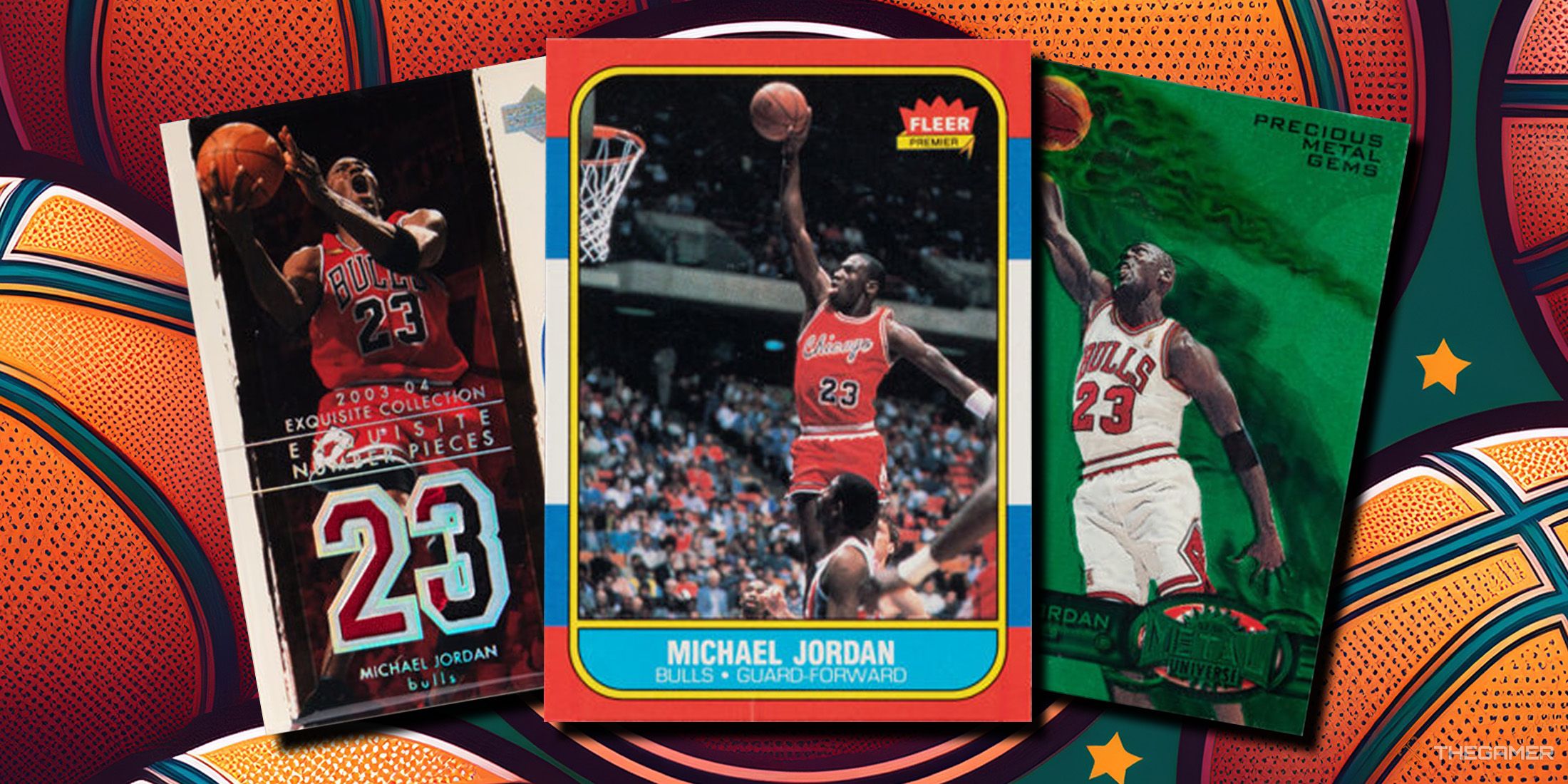
- Focus on Icons: If you are investing for the long term, focus on the "GOATs" (Greatest of All Time) of their respective fields—Mantle, Ruth, Jordan, LeBron, or Pikachu. These figures have cross-generational appeal that sustains demand.
- Monitor Major Auctions: Keep an eye on houses like Goldin, Heritage, and Sotheby’s. These venues set the market prices for the entire hobby.
Image Gallery
Select an image to open it in a new tab.




Omar Farooq
EdTech Innovation and Virtual Pedagogy Journalist
