Understanding Ohio Life Insurance Options: A Comprehensive Guide for Policyholders
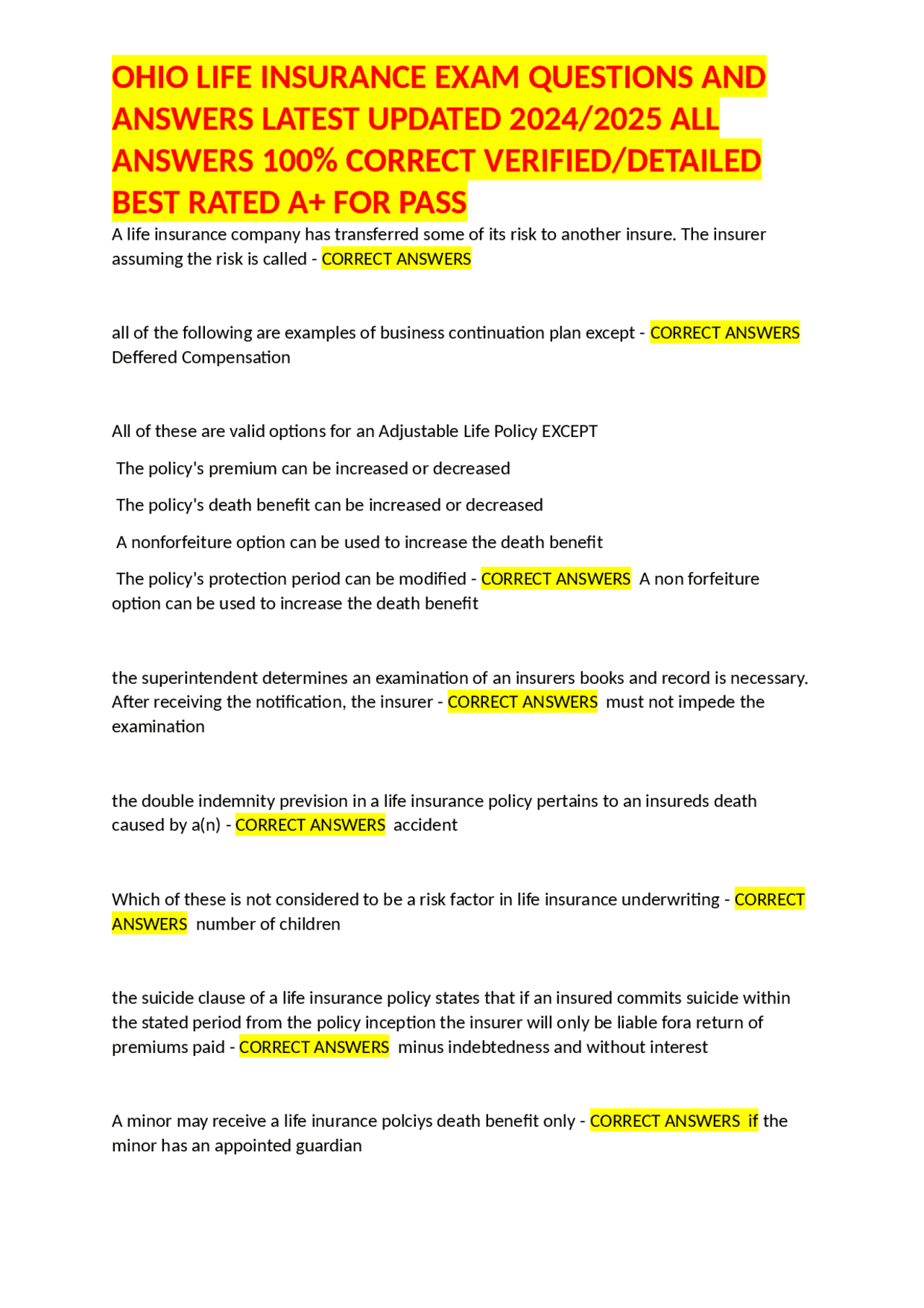
Navigating the landscape of Ohio life insurance options requires an understanding of state-specific consumer protections, regulatory frameworks overseen by the Ohio Department of Insurance, and the diverse product structures available to residents. Whether you are seeking temporary financial protection for a young family or permanent wealth transfer strategies, evaluating your coverage choices involves balancing policy types, underwriting requirements, and financial strength ratings among carriers.
Regulatory Framework and Consumer Protections in Ohio
The Ohio Department of Insurance (ODI) serves as the primary regulatory body overseeing the state's insurance market. Operating under Title 39 of the Ohio Revised Code, the ODI enforces consumer protection standards, licenses insurance agents and agencies, reviews and approves policy forms and rates, and monitors the financial solvency of admitted carriers.
The Ohio Life and Health Insurance Guaranty Association
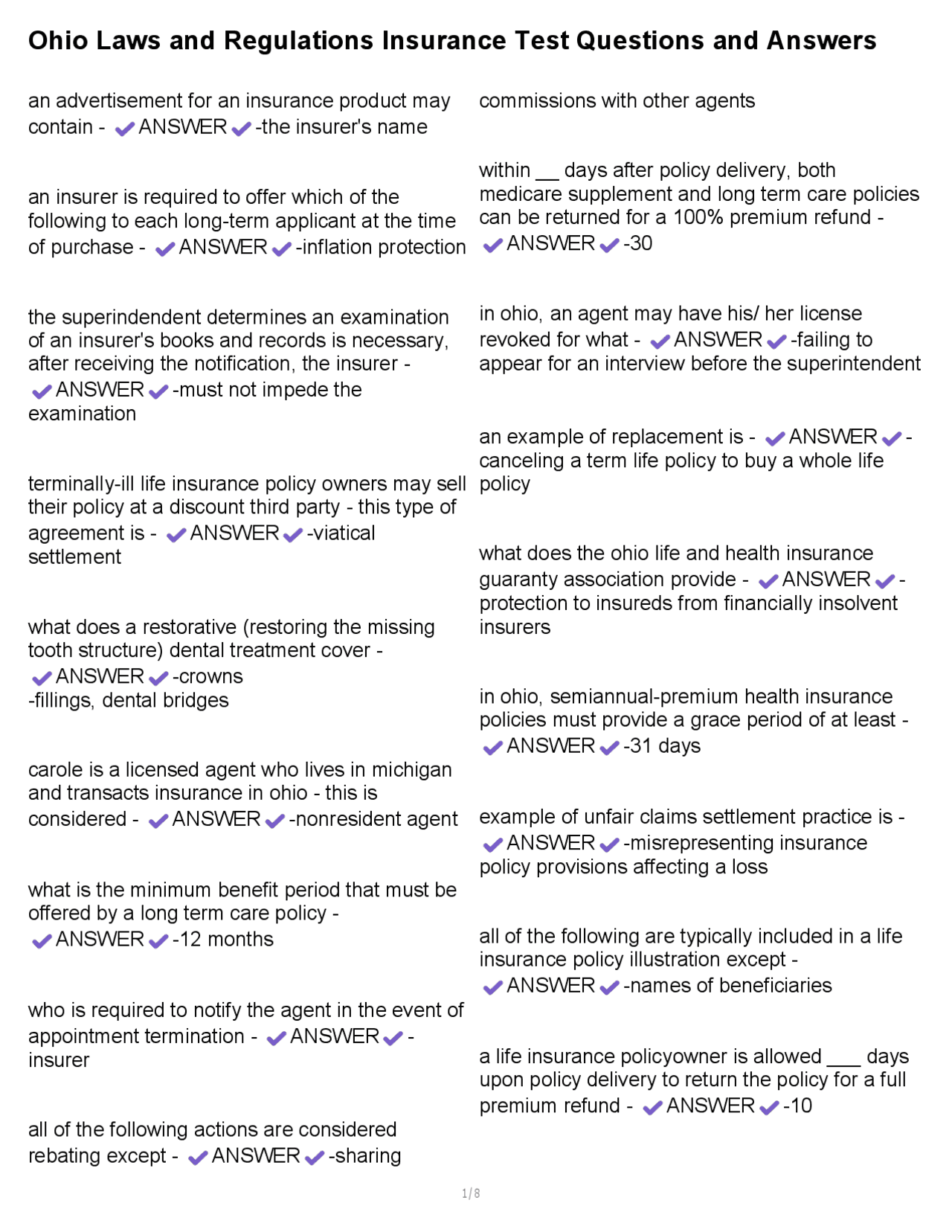
One of the most critical safety nets for policyholders in the state is the Ohio Life and Health Insurance Guaranty Association. Established by state statute, this association protects resident policyholders against carrier insolvency. If an insurance company licensed in Ohio fails financially, the Guaranty Association steps in to fulfill contractual obligations up to statutory limits—typically providing up to $300,000 in life insurance death benefits and $100,000 in net cash surrender values per individual, subject to statutory caps.
The Free-Look Period and Grace Periods
Ohio law mandates specific consumer rights during the purchase and maintenance of life insurance contracts:
- The Free-Look Period: Ohio insurance statutes typically require a minimum 10-day free-look period (though many carriers voluntarily offer 20 to 30 days). This window allows policyholders to review their contract, cancel the policy for any reason, and receive a 100% refund of any premiums paid.
- Grace Periods: State regulations require a standard grace period—usually 31 days—for premium payments. During this window, the policy remains in force, preventing immediate lapse if a payment is delayed.
- Incontestability Clause: Under Ohio law, life insurance policies generally become incontestable after two years from their date of issue. This means the insurer cannot contest the validity of the contract or deny a death benefit based on misstatements in the application (barring proven fraudulent intent) after the two-year period has elapsed.
Core Types of Life Insurance Policies in Ohio
Life insurance products generally fall into two broad categories: temporary coverage and permanent coverage. Each category serves distinct financial objectives, time horizons, and risk tolerances.
| Feature | Term Life Insurance | Permanent Life Insurance |
|---|---|---|
| Duration | Fixed periods (10, 20, 30 years) | Lifetime (to age 100 or death) |
| Cash Value | None | Accumulates tax-deferred cash value |
| Premium Stability | Level premiums for the term duration | Often higher, can be level or flexible |
| Primary Purpose | Income replacement, debt protection | Estate planning, lifelong security |
Term Life Insurance
Term life insurance provides pure death-benefit protection for a specified period, such as 10, 20, or 30 years. If the insured passes away during the term, the beneficiaries receive the income-tax-free death benefit. If the term expires, the coverage terminates unless renewed or converted.
- Level Term: Premiums and death benefits remain constant throughout the specified term. This is the most popular choice for families looking to cover mortgage debt or replace lost income during working years.
- Decreasing Term: The death benefit decreases annually, often matching the amortization schedule of a mortgage. While less common today than level term, it can offer lower initial premiums.
- Convertibility: Many term policies issued by Ohio-admitted carriers include a conversion rider. This allows the policyholder to convert their term policy into a permanent life insurance policy without undergoing a new medical exam, regardless of changes in health.
Whole Life Insurance
Whole life insurance is a permanent policy that offers lifelong protection, guaranteed level premiums, and a guaranteed cash value growth component. A portion of each premium payment goes toward the cost of insurance, while the remainder is invested conservatively by the insurer to build cash value, which grows on a tax-deferred basis. Policyholders can borrow against this cash value or surrender the policy for its cash surrender value.
Universal Life Insurance
Universal life (UL) insurance provides permanent coverage with greater flexibility than whole life. Policyholders can adjust their premium payments and death benefits within contractual limits, provided the accumulated cash value is sufficient to cover monthly administrative and mortality costs. Variations include:
- Indexed Universal Life (IUL): Ties cash value crediting to the performance of an external market index, such as the S&P 500, offering a floor (often 0%) to protect against market downturns alongside a participation cap.
- Variable Universal Life (VUL): Allows policyholders to allocate cash value into sub-accounts that invest directly in equities and bonds, offering higher growth potential coupled with direct market risk.

Evaluating Underwriting and Application Requirements
When applying for life insurance in Ohio, understanding the underwriting process helps applicants prepare accurate documentation and secure competitive rates. Insurers assess risk based on age, medical history, lifestyle factors, and financial need.
Medical vs. Non-Medical Underwriting
- Fully Underwritten Policies: Require a detailed medical questionnaire, prescription history check, motor vehicle report, and a paramedical exam (blood draw, urine sample, height/weight measurement, and sometimes an EKG). While more time-consuming, fully underwritten policies typically offer the lowest premium rates for healthy applicants.
- Simplified Issue Policies: Eliminate the medical exam, relying instead on health-related questions on the application and electronic database checks. Approval is faster (often within days), but premiums are generally higher.
- Guaranteed Issue Policies: Require no medical exam and no health questions. Anyone within the eligible age bracket (typically ages 45 to 85) is accepted. These policies feature a "graded death benefit," meaning if the insured dies from natural causes within the first two or three years of policy ownership, beneficiaries receive a refund of premiums plus interest, rather than the full face amount.
Financial Underwriting
For large death benefits (typically exceeding $1 million), insurers conduct financial underwriting to verify insurable interest. Applicants must demonstrate that the financial loss resulting from the insured's death—such as lost household income, outstanding business loans, or estate tax liability—justifies the requested coverage amount.
Determining Coverage Amounts and Financial Goals
Calculating the appropriate amount of life insurance requires a structured assessment of current financial obligations and future liabilities. Relying on rule-of-thumb multipliers (such as ten times annual income) can leave families underinsured or overpaying.
The DIME Formula
A widely utilized framework for calculating life insurance needs is the DIME method:
- Debt: Total all unsecured debt, including credit cards, personal loans, and auto loans.
- Income: Multiply current annual income by the number of years your dependents will require financial support.
- Mortgage: Calculate the remaining balance on your home mortgage to ensure dependents can pay off the property.
- Education: Estimate future college tuition and secondary education expenses for children.
Subtract existing liquid savings, retirement accounts, and current life insurance policies from this total to arrive at the net coverage gap.
Common Pitfalls to Avoid When Buying Life Insurance
Navigating life insurance options involves avoiding common strategic and contractual errors that can compromise coverage effectiveness:
- Delaying Purchase Based on Age: Premium rates increase incrementally with each year of attained age. Waiting to purchase coverage often results in higher long-term costs, particularly if underlying health conditions develop unexpectedly.
- Failing to Disclose Complete Medical History: Omission of pre-existing conditions or tobacco use on an application can lead to claim denial or policy rescission during the two-year contestability period. Complete transparency during underwriting is legally and practically essential.
- Naming Minors as Direct Beneficiaries: Insurance companies cannot legally disburse death benefits directly to minor children. Doing so forces probate court intervention to appoint a legal guardian, delaying funds access. Instead, policyholders should establish a revocable living trust or utilize a Uniform Transfers to Minors Act (UTMA) designation.
- Ignoring Policy Maintenance: Permanent policies require ongoing monitoring of cash value performance, particularly in low-interest-rate environments or during prolonged market downturns. Failing to adjust premiums when interest crediting rates fluctuate can cause a universal life policy to lapse prematurely.
Steps to Secure Life Insurance in Ohio
- Assess Financial Objectives: Identify whether your primary goal is short-term income replacement, mortgage protection, or lifelong estate planning.
- Calculate Coverage Needs: Utilize structured frameworks like the DIME formula to determine your exact death benefit requirement.
- Compare Policy Types: Evaluate whether term, whole life, or universal life best aligns with your budget and time horizon.
- Shop Multiple Carriers: Obtain quotes from multiple admitted carriers licensed in Ohio. Compare financial strength ratings from agencies such as A.M. Best, Standard & Poor's, or Moody's.
- Work with Licensed Professionals: Consult an independent insurance producer licensed by the Ohio Department of Insurance who can access multiple carriers and provide objective comparisons.
- Complete the Application and Underwriting: Submit accurate medical and financial disclosures, complete any required paramedical exams, and review the issued contract during your free-look period.
Frequently Asked Questions
Can an insurance company in Ohio cancel my life insurance policy if my health declines?
No. Once a term or permanent life insurance policy is issued and in force, the insurer cannot cancel it or raise your premiums based on subsequent changes in your health, provided you pay your premiums on time. The only exception is if the insurer discovers material misrepresentation or fraud during the two-year contestability period.
What happens if I miss a life insurance premium payment in Ohio?
Ohio law requires a grace period, typically 31 days, during which your policy remains fully active even if a payment is missed. If you do not pay the premium before the grace period expires, a term policy will lapse with no remaining value. For permanent policies with accumulated cash value, the insurer may automatically draw from the cash value to pay the premium (if structured as an automatic premium loan) or place the policy on reduced paid-up status.
Are life insurance death benefits taxable in Ohio?
Generally, life insurance death benefits paid to a designated beneficiary are exempt from federal and Ohio state income taxes. However, if the policy is owned by the insured and the estate is named as the beneficiary, the proceeds may be subject to state and federal estate taxes if the total estate value exceeds applicable statutory exemptions.
Can I convert a term life insurance policy to a permanent policy without a medical exam?
Yes, if your term policy includes a conversion rider. Most major carriers writing policies in Ohio offer convertible term options, allowing you to transition to a whole life or universal life product without undergoing new medical underwriting, though your new premium will be based on your age at the time of conversion.
How do I verify if an insurance company or agent is licensed in Ohio?
You can verify the licensing status and disciplinary history of any insurance company or producer operating in the state by utilizing the online licensee search tool provided on the official website of the Ohio Department of Insurance.
Image Gallery
Select an image to open it in a new tab.


Akira Tanaka
International Academic Trends Correspondent
