Understanding Who Has Life Insurance on You: Identifying Policies and Beneficiaries

Determining if an individual has an active life insurance policy on your life is a complex task due to strict privacy regulations and the lack of a centralized, public database for insurance policies. While you generally cannot search for policies naming you as the insured, you can identify coverage through financial records, employer benefits documentation, and professional consultations with legal or financial experts.
The Challenge of Insurance Transparency
The insurance industry operates under strict confidentiality protocols designed to protect the privacy of both policyholders and the insured. Because a life insurance policy is a legal contract between an insurance company and a policyholder, the insurer is under no obligation to disclose the existence of a policy to anyone other than the policyholder or, in specific circumstances, the beneficiary upon the death of the insured.
There is no "national registry" where an individual can query their name to see if they are the subject of an active policy. This is by design, as such a database could be used by predatory actors to track individuals or improperly gain access to financial information. Therefore, if you are concerned that someone has taken out a policy on your life—or if you are trying to locate coverage for estate planning purposes—you must rely on indirect methods of discovery rather than direct inquiries to insurance carriers.
Why Someone Might Hold a Policy on You
Before attempting to locate a policy, it is helpful to understand why a policy might exist. In many cases, life insurance is a legitimate financial tool used for risk mitigation.
- Insurable Interest: Under legal standards in the United States and many other jurisdictions, a policyholder must have an "insurable interest" in the life of the person they are insuring. This means the policyholder must expect to suffer a legitimate financial loss if the insured person passes away. Common examples include spouses, business partners, or creditors.
- Employer-Provided Coverage: Many companies provide group life insurance as part of an employee benefits package. You may be covered by a policy held by your employer, which is a standard industry practice.
- Business Insurance: If you are a key employee or a partner in a business, the company may hold a "Key Person" policy on you to cover the cost of replacing your expertise or managing the transition of ownership.
- Credit Insurance: Lenders sometimes require or offer credit life insurance on loans, such as mortgages or large business debts, to ensure the debt is settled upon the borrower's death.
Practical Steps to Identify Existing Coverage
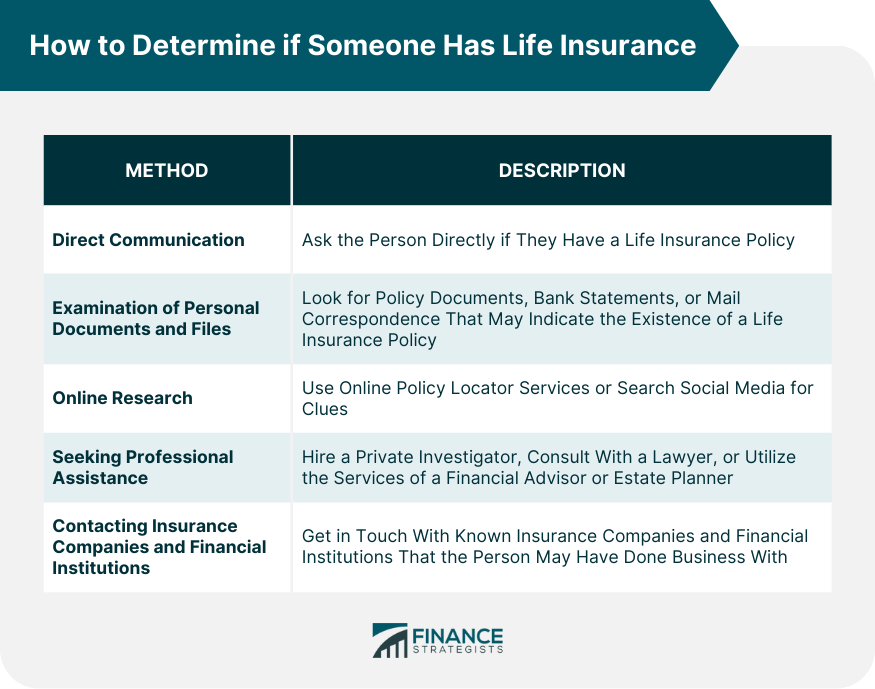
While you cannot call an insurance company and ask if they have a policy on you, you can perform a "financial audit" to find evidence of active coverage.
1. Review Personal Financial Records
Begin by examining your personal bank statements, credit card bills, and tax filings. If you are responsible for paying the premiums on a policy, the documentation will be clearly linked to your accounts. If someone else is paying, you may still find evidence of the policy through unexpected deposits or deductions, or perhaps through shared financial planning documents.
2. Consult Your Employer's Human Resources Department
If you suspect there is a policy related to your work, contact your HR department. They are obligated to disclose any company-sponsored life insurance plans you are enrolled in. Ask specifically for a summary of benefits that details all group insurance products provided by the firm.
3. Analyze Estate Planning and Legal Documents
Review any trusts, wills, or partnership agreements you have signed. Often, insurance policies are established as part of a formal business arrangement or estate plan. If you are a business owner, check your corporate bylaws and buy-sell agreements to see if they mandate that the company hold life insurance policies on key personnel.
4. Examine Loan Documentation
Check your mortgage papers, personal loan agreements, or business debt contracts. Look for references to "credit life insurance" or "mortgage protection insurance." These are specific types of policies tied directly to a debt obligation.
Comparing Methods of Policy Discovery
| Method | Accessibility | Privacy Level | Best Used For |
|---|---|---|---|
| Employer HR Records | High | High | Group life insurance queries |
| Financial Statements | Moderate | High | Identifying premium payments |
| Legal Documents | Moderate | Moderate | Business and trust-based policies |
| NAIC Policy Locator | Low (Limited) | High | Deceased individuals' policies |
Note: The National Association of Insurance Commissioners (NAIC) Life Insurance Policy Locator is a tool primarily designed to help beneficiaries find policies for deceased individuals, not to check for policies on living persons.
Understanding the Role of Insurable Interest
The concept of "insurable interest" is your primary legal protection against someone taking out a policy on your life without a legitimate reason. If you discover a policy that you believe was taken out without your knowledge or without a legal basis, this is a significant red flag.
In most jurisdictions, a policy taken out without an insurable interest is considered void or against public policy. If you believe such a policy exists, you should consult with a legal professional. An attorney specializing in insurance law can help you navigate the process of challenging the validity of a policy or determining the legal status of the contract.
What to Do If You Find a Policy
If you identify an active policy that you were previously unaware of, do not assume it is malicious.
- Identify the Policyholder: Determine who the owner of the policy is. Is it a spouse, a business partner, or an employer?
- Verify the Purpose: Ask the policyholder why the policy was established. If it is a business partner, it is likely part of a standard succession plan.
- Review the Beneficiaries: You generally have a right to know if you are the insured, but you may not automatically have the right to know who the beneficiary is unless you are the policyholder. However, in many contexts, this information is disclosed during routine financial reviews.
- Seek Professional Advice: If the existence of the policy makes you uncomfortable or if you believe it violates your privacy or legal rights, consult with an insurance advisor or a lawyer. They can help you understand your rights regarding the termination or modification of the policy.
Frequently Asked Questions
Can I call insurance companies to see if they have a policy on me? Generally, no. Most insurance companies will refuse to provide information about a policy to anyone other than the policy owner. Because of privacy laws, they cannot confirm or deny the existence of a policy to the insured person unless that person is also the owner.
Is it illegal for someone to have a policy on my life? It is only illegal if the policyholder does not have an "insurable interest" in your life. If they have a legitimate financial reason to hold the policy—such as being a spouse, a business partner, or a lender—it is a legal and common practice.
How do I check if my employer has a policy on me? You should review your employee handbook and benefit disclosure forms. If you still have questions, schedule a meeting with your HR representative and ask directly: "What insurance coverage does the company maintain on employees, and am I a covered individual under any of these plans?"
What is the NAIC Policy Locator, and can it help me? The National Association of Insurance Commissioners (NAIC) provides a Life Insurance Policy Locator Service. However, this is designed for beneficiaries to find policies after a person has passed away. It is not an investigative tool for identifying active policies on living individuals.
What should I do if I find an unknown policy that I believe is fraudulent? If you suspect that a policy was taken out without an insurable interest or through fraudulent means, document your findings and consult with an attorney. You may also contact your state’s Department of Insurance, which acts as the regulator for insurance practices within that jurisdiction.
Professional Guidance and Next Actions
If you are concerned about your financial privacy, the most effective step is to perform a thorough review of your financial and legal documents. If you suspect an unauthorized policy, start by gathering evidence—such as unusual bank transactions or mentions of insurance in contracts—and consult with a financial planner or legal counsel.
If you are a business owner or a key employee, ensure that you have copies of all agreements that involve insurance coverage. Clear communication with business partners and employers often resolves concerns before they become legal issues. For personal peace of mind, prioritize maintaining a clear record of your own insurance holdings and ensure that your beneficiaries are updated as your life circumstances change.
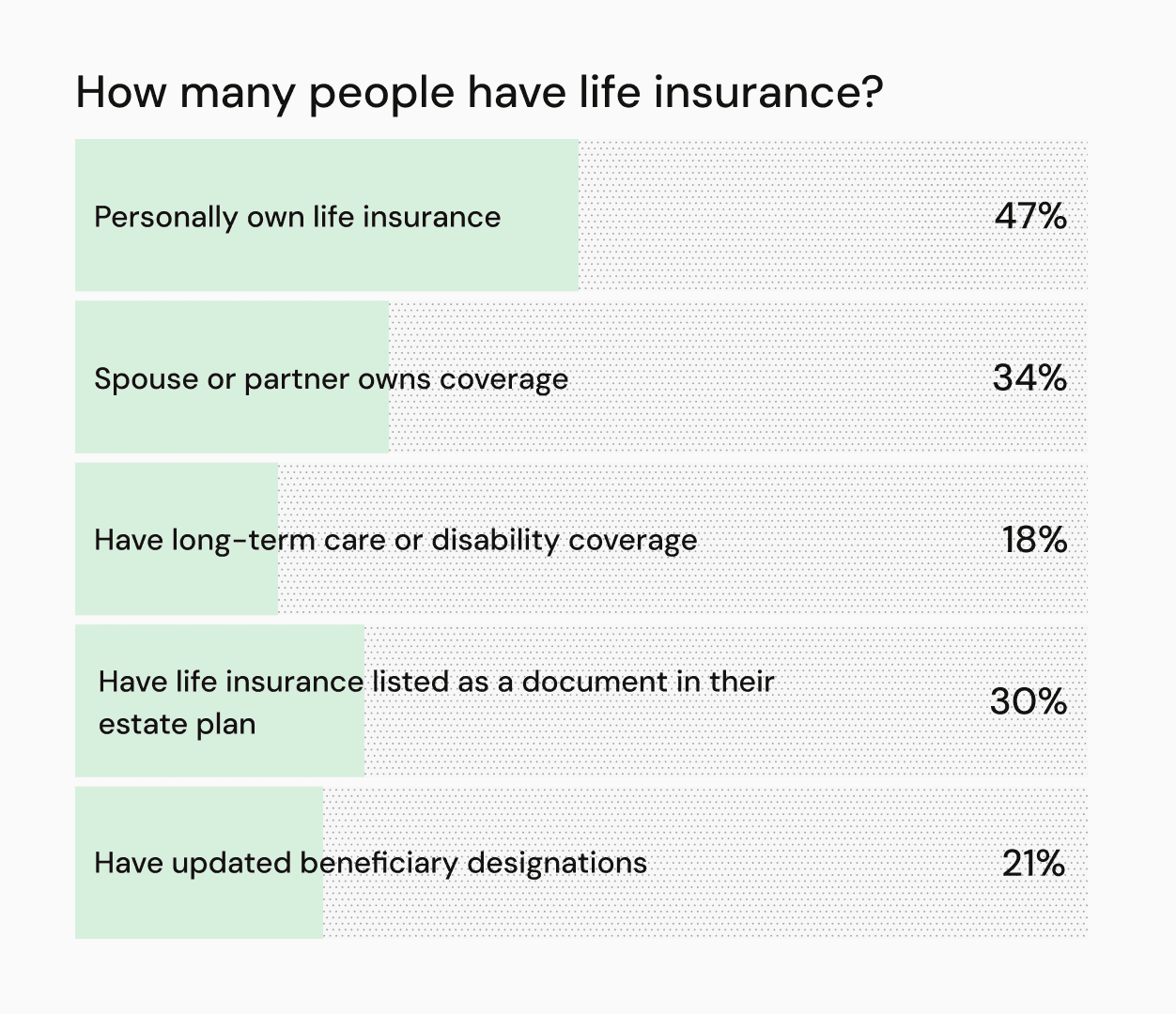
Image Gallery
Select an image to open it in a new tab.


Simon Caldwell
Enterprise Technology and Systems Editor
