The UK social security system provides financial support through the Department for Work and Pensions (DWP) and HM Revenue and Customs (HMRC). Eligibility generally depends on your residency status, income, savings, and specific circumstances such as disability, age, or parental responsibilities. Universal Credit remains the primary means-tested benefit for working-age individuals.
The Foundation of the UK Welfare State: Universal Credit
By 2026, the transition from "legacy benefits" to Universal Credit (UC) is effectively complete for the vast majority of claimants. Universal Credit is a monthly payment designed to help with living costs for those on a low income, out of work, or unable to work due to health conditions. It consolidates several previous benefits—including Income Support, Income-based Jobseeker’s Allowance (JSA), Income-related Employment and Support Allowance (ESA), Child Tax Credit, Working Tax Credit, and Housing Benefit—into a single payment.
The Component Structure of Universal Credit
Universal Credit is not a flat rate; it is built from a "standard allowance" plus additional "elements" based on your household's needs.
- Standard Allowance: This is the base amount provided to cover essential living costs. It varies based on whether you are single or in a couple, and whether you are under or over the age of 25.
- Child Element: Provided for up to two children, with exceptions for children born before April 2017 or in specific multiple-birth scenarios. Additional amounts are available if a child is disabled.
- Housing Element: This helps cover rent and some service charges. For social housing tenants, it usually covers the full rent (subject to "bedroom tax" deductions). For private renters, it is capped at the Local Housing Allowance (LHA) rate for the area.
- Limited Capability for Work and Work-Related Activity (LCWRA): This element is for those whose health condition or disability prevents them from working or preparing for work.
- Carer Element: For those providing at least 35 hours of care per week to a person receiving a qualifying disability benefit.
The Taper Rate and Work Allowance
One of the defining features of Universal Credit in 2026 is the "taper rate." As you earn money through employment, your UC payment gradually reduces. Currently, for every £1 you earn (after tax), your UC is reduced by 55 pence. However, some claimants (such as those with children or a limited capability for work) benefit from a Work Allowance, which is a set amount they can earn before the taper rate starts to apply.
Health and Disability Benefits
The UK distinguishes between benefits for those who cannot work due to illness and benefits designed to cover the extra costs of living with a long-term disability.
Personal Independence Payment (PIP) and Adult Disability Payment (ADP)
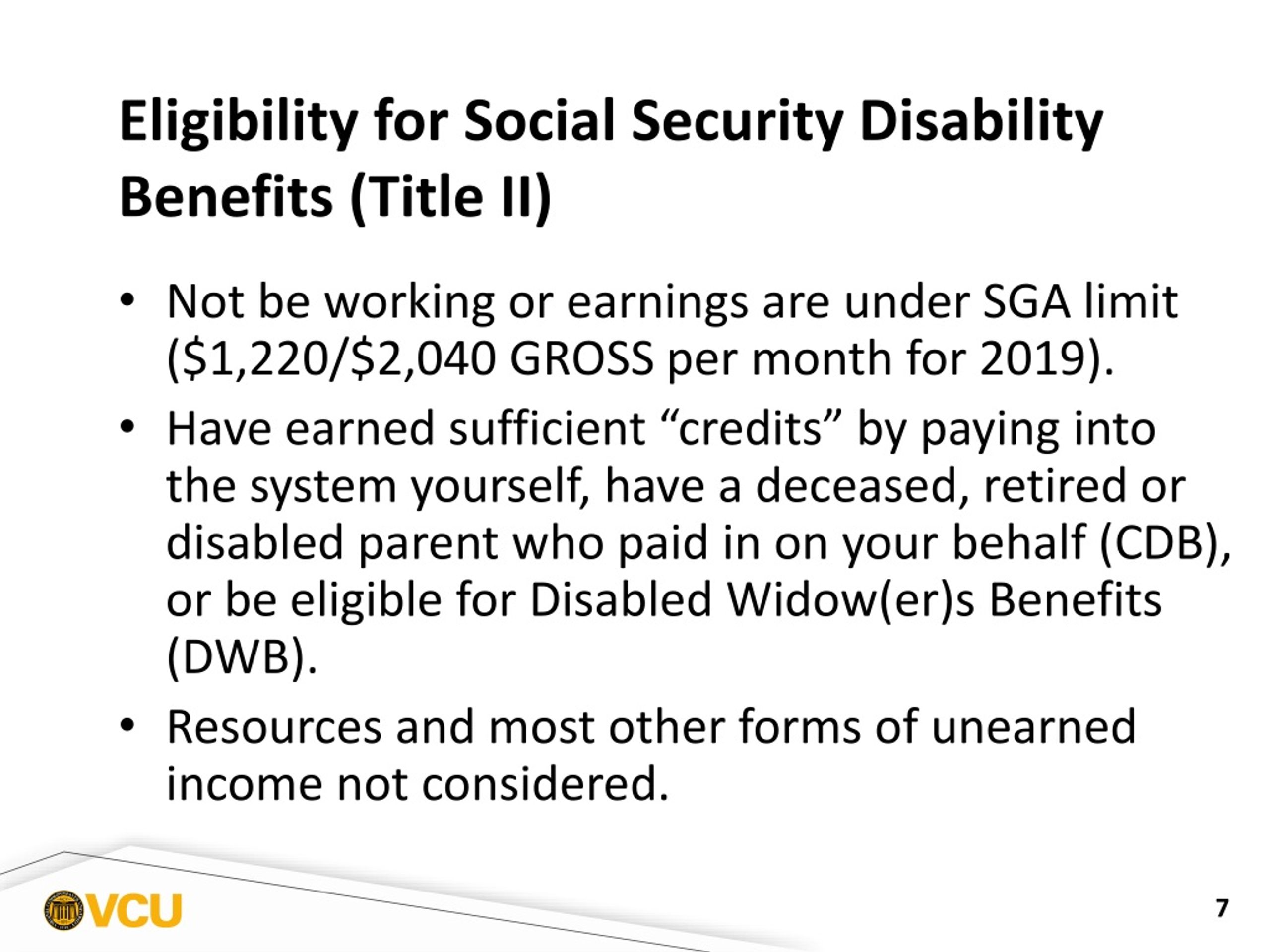
In England, Wales, and Northern Ireland, Personal Independence Payment (PIP) is the primary benefit for adults aged 16 to State Pension age who have a long-term physical or mental health condition. It is non-means-tested, meaning your income and savings do not affect your eligibility.
In Scotland, PIP has been replaced by the Adult Disability Payment (ADP), administered by Social Security Scotland. While the eligibility criteria regarding "daily living" and "mobility" needs remain similar, the assessment process for ADP focuses more on practitioner-led evidence rather than the functional assessments often used for PIP.
Attendance Allowance
For those who reach State Pension age and have a disability severe enough that they need someone to help look after them, Attendance Allowance is the relevant benefit. It does not cover mobility needs but provides a weekly rate based on the level of care required (either day or night, or both).
New Style Employment and Support Allowance (ESA)
If you have a health condition or disability that limits your ability to work and you have paid enough Class 1 or Class 2 National Insurance contributions in the last two to three years, you may be eligible for "New Style" ESA. This is a contributory benefit, meaning it is not based on your total household income or savings, though it can be claimed alongside Universal Credit.
Support for Jobseekers and Employees
The social security system provides a safety net for those who have lost their jobs or are unable to work temporarily due to illness.
New Style Jobseeker’s Allowance (JSA)
Similar to ESA, New Style JSA is a contributory benefit for people who are unemployed or working less than 16 hours a week. To qualify in 2026, you must have been working as an employee and paying National Insurance in the relevant tax years. It is usually paid for a maximum of 182 days. After this period, claimants typically transition fully to the means-tested elements of Universal Credit.
Statutory Sick Pay (SSP)
If you are employed but too ill to work, your employer is legally required to pay Statutory Sick Pay (SSP) for up to 28 weeks, provided you earn an average of at least £123 per week (the Lower Earnings Limit). SSP is paid from the fourth day of illness (the first three days are "waiting days"), unless you have been off sick recently and the periods are linked.
State Pension and Pension Credit
The UK pension system provides support for those who have reached the legislated retirement age, which continues to be a focal point of social policy in 2026.
The New State Pension
The New State Pension applies to men born on or after 6 April 1951 and women born on or after 6 April 1953. Eligibility is strictly tied to your National Insurance record.
- Minimum Years: You usually need at least 10 qualifying years on your National Insurance record to get any State Pension.
- Full Amount: To receive the full New State Pension, you typically need 35 qualifying years.
- Current Age: By 2026, the State Pension age for both men and women is 66, with plans for a gradual increase to 67 between 2026 and 2028.
Pension Credit
For pensioners on a low income, Pension Credit acts as a vital "top-up." It is separate from the State Pension and is means-tested.
- Guarantee Credit: This tops up your weekly income to a guaranteed minimum level.
- Savings Credit: An extra payment for those who saved some money towards their retirement (available only to those who reached State Pension age before 6 April 2016).
Pension Credit is often referred to as a "passport" benefit because qualifying for it often grants automatic eligibility for other support, such as help with housing costs, council tax discounts, and the free TV license for those over 75.
Family and Child Benefits
Support for families is primarily delivered through Child Benefit and the child elements within Universal Credit.
Child Benefit
Child Benefit is a payment made to anyone responsible for bringing up a child under 16, or under 20 if they stay in approved education or training. There is no limit to how many children you can claim for.
- High-Income Child Benefit Charge (HICBC): If you or your partner earn over a certain threshold (adjusted in recent years to reflect wage growth), you may have to pay back some or all of the benefit through your tax return.
- Guardian’s Allowance: If you are raising a child because their parents have died (or in some cases where one parent is deceased and the other is missing or in prison), you may receive Guardian’s Allowance in addition to Child Benefit.
Tax-Free Childcare
For working parents, Tax-Free Childcare offers a government top-up of £2 for every £8 paid into an online childcare account. This can be used to pay for registered childcare providers, including nurseries, childminders, and after-school clubs. It is available for children aged up to 11 (or 16 if the child is disabled).
Key Eligibility Criteria: Capital and Residency
Most UK benefits, particularly Universal Credit and Pension Credit, have strict rules regarding your financial assets and your right to live in the country.
The Capital Limit
For means-tested benefits, the DWP looks at your "capital," which includes savings, investments, and any property you own that you do not live in.
- Under £6,000: Your capital is ignored, and it does not affect your claim.
- Between £6,000 and £16,000: This is subject to "tariff income." For every £250 (or part thereof) over £6,000, the DWP treats you as having a monthly income of £4.35, which reduces your benefit.
- Over £16,000: You are generally ineligible for Universal Credit or other means-tested benefits.
Residency and the Habitual Residence Test
To claim most social security benefits in the UK, you must meet two main criteria:
- Right to Reside: You must have a legal right to live in the UK, such as British citizenship, Irish citizenship, "Settled Status" under the EU Settlement Scheme, or Indefinite Leave to Remain.
- Habitual Residence: Even with a Right to Reside, you must prove that the UK, Ireland, the Channel Islands, or the Isle of Man is your main home and that you intend to stay. This is verified via the Habitual Residence Test (HRT), which examines your length of stay, your reasons for coming to the UK, and your future intentions.
Summary Table of Primary UK Benefits (2026)
| Benefit Name | Primary Purpose | Means-Tested? | Capital Limit |
|---|---|---|---|
| Universal Credit | Living and housing costs for working-age people | Yes | £16,000 |
| New Style JSA | Support for unemployed who paid National Insurance | No | None |
| New Style ESA | Support for ill/disabled who paid National Insurance | No | None |
| PIP / ADP | Extra costs for long-term health conditions | No | None |
| State Pension | Income for those of retirement age | No | None |
| Pension Credit | Income top-up for low-income pensioners | Yes | None (but affects income) |
| Child Benefit | Help with the cost of raising children | No* | None |
*Subject to High-Income Child Benefit Charge if a parent earns over the threshold.
Frequently Asked Questions
Can I claim benefits if I am working?
Yes. Universal Credit is specifically designed to support people in low-paid work. The amount you receive depends on your earnings; for every pound you earn after tax, your benefit is reduced by 55p. If you are eligible for a "Work Allowance," you can keep a certain amount of your earnings before this reduction begins. You can check the current thresholds on the official GOV.UK Universal Credit page.
How do savings affect my eligibility for disability benefits?
Savings do not affect eligibility for Personal Independence Payment (PIP), Adult Disability Payment (ADP), or Attendance Allowance. These are "extra costs" benefits, not income-replacement benefits. You can have any amount of savings and still receive the full rate of these benefits, provided you meet the medical and residency criteria.
What happens if my claim for Universal Credit is refused?
If you disagree with a decision made by the DWP, you can request a Mandatory Reconsideration. This must usually be done within one month of the decision date. If the DWP does not change their decision after the reconsideration, you have the right to lodge an appeal with an independent tribunal via the HM Courts and Tribunals Service.
Do I need to have paid National Insurance to get Universal Credit?
No. Universal Credit is a non-contributory, means-tested benefit. It is based on your current financial need rather than your past work history. However, "New Style" JSA and "New Style" ESA do require a sufficient National Insurance record from the previous two tax years.
How is "Capital" calculated for couples?
If you are living with a partner as a couple, your capital is combined for the purposes of the £16,000 limit. Even if you are not married or in a civil partnership, the DWP will treat you as a single household if you live together. If your combined savings exceed £16,000, neither of you will be eligible for Universal Credit.
Practical Recommendations for Claimants
If you believe you are eligible for support, your first step should be to use a verified benefits calculator to get an estimate of your entitlement. Before starting an application, gather your National Insurance number, bank details, and proof of housing costs (such as a tenancy agreement).
For those with complex needs—such as those moving from legacy benefits or individuals with fluctuating health conditions—seeking advice from the Citizens Advice service is highly recommended. They can provide guidance on the "Help to Claim" service, which assists individuals in navigating the Universal Credit application process through to their first correct payment.
Image Gallery
Select an image to open it in a new tab.
Celine Dubois
Contemporary Living and Global Arts Columnist
