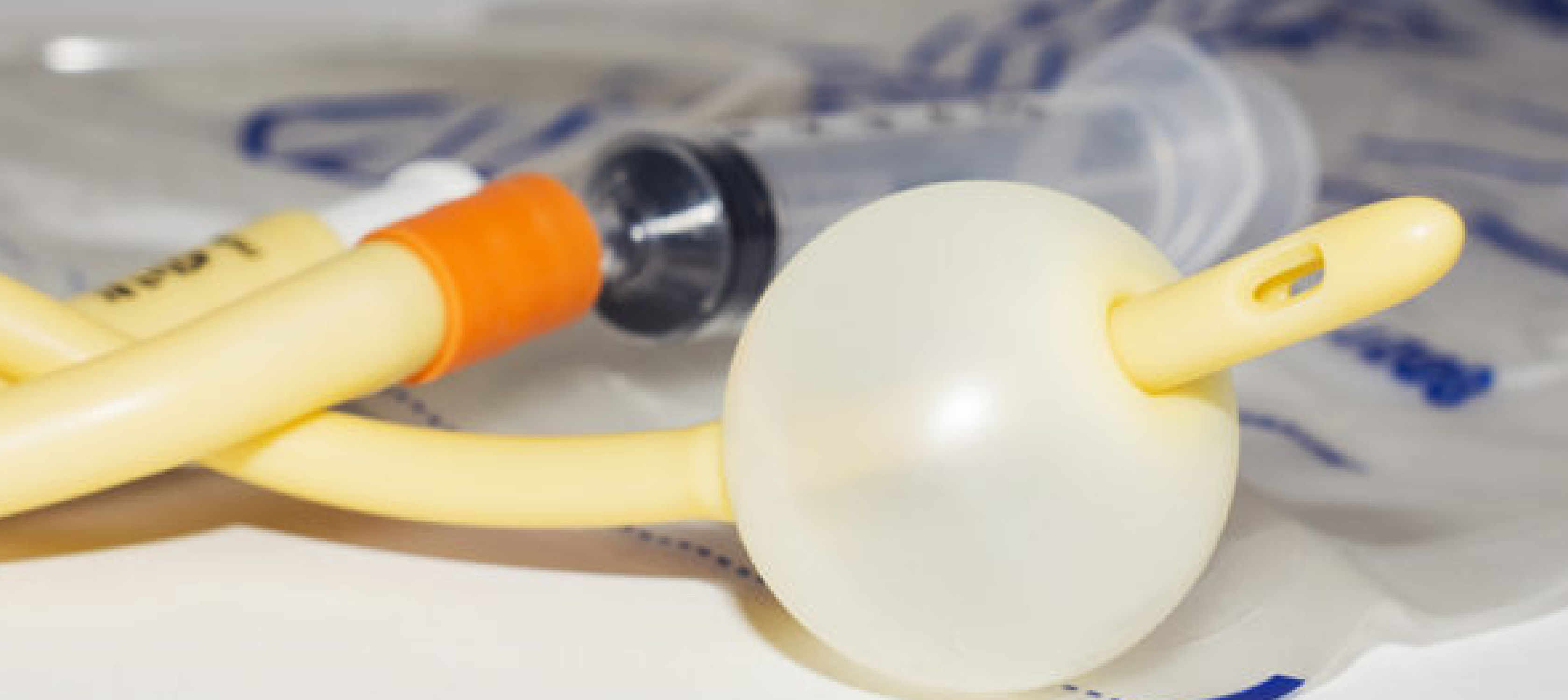
The term catheter literally means "something sent down" or "to let down into." Derived from the Ancient Greek word katheter, it combines the prefix kata- (down) and the verb hienai (to send or let go). In modern medicine, it refers to a flexible or rigid tube inserted into a body cavity, duct, or vessel.
The Linguistic Roots of the Word Catheter
To understand the full scope of what a catheter represents in modern medicine, one must first dismantle the Greek components that formed the word. The word is an agent noun, meaning it describes an instrument that performs a specific action. The prefix kata- is pervasive in English medical terminology (seen also in "catabolism" or "cataract"), generally signifying a downward motion or a complete process. The root hienai translates to "to send," "to throw," or "to let go."
When these are combined into kathiemai, the verb describes the act of lowering something, such as an anchor or a probe. Consequently, the katheter was the specific tool used to perform this "lowering" or "sending down" into a passage. While the literal meaning is simple, the technical application has evolved from a basic drainage pipe to a sophisticated delivery system for life-saving interventions.
In the context of 2026 medical standards, the term retains its literal accuracy. Whether a clinician is "sending down" a central venous line into the superior vena cava or "letting down" a urinary catheter into the bladder, the physical action remains true to its 2,500-year-old name. The linguistic endurance of the word highlights the fundamental nature of the procedure: traversing a natural or artificial conduit to reach an internal destination.
The Historical Evolution: From Ancient Reeds to Modern Polymers
The history of the catheter is a testament to human ingenuity in the face of physiological necessity. Long before the term was standardized in modern English, ancient civilizations were already practicing the literal act of "sending down" instruments to relieve urinary retention.
Ancient Innovations
Records from ancient Egypt and India describe the use of reeds, hollow stalks of grain, and even rolled-up leaves to facilitate the drainage of the bladder. The Greeks, who gave us the name, eventually progressed to using metals. By the time of Hippocrates (c. 460–370 BC), the katheter was often a hollow tube made of bronze or lead. These early instruments were rigid and frequently caused significant trauma, yet they were the only solution for life-threatening blockages.
Excavations at Pompeii revealed bronze catheters with a distinct "S" shape, designed to match the anatomical curves of the male urethra. This shows that even in antiquity, physicians understood that the act of "sending down" an instrument required a sophisticated understanding of human geometry.
The Middle Ages and the Silver Age
During the Middle Ages, the "silver catheter" became the gold standard—quite literally. Silver was preferred not only because it could be bent to fit the patient's anatomy but also because of its nascent antimicrobial properties, although the concept of bacteria was not yet understood. Physicians noted that patients treated with silver instruments seemed to suffer from fewer "putrid humors" (infections) than those treated with other metals.
The 19th and 20th Century Revolution
The literal "sending down" of a device became much safer with the invention of vulcanized rubber by Charles Goodyear in the 19th century. This allowed for flexibility, reducing the risk of internal tearing. However, the most significant leap occurred in 1929 when Werner Forssmann, a German physician, performed the first cardiac catheterization—on himself. He "sent down" a urological catheter through a vein in his arm and guided it into his own heart, proving that catheters could be used for more than just drainage.

Modern Classifications and Functional Intent
While the literal meaning suggests a singular action, modern medicine utilizes catheters in diverse ways. These are generally categorized based on the "pathway" they are sent down and the "objective" they are intended to achieve.
Urinary Catheterization
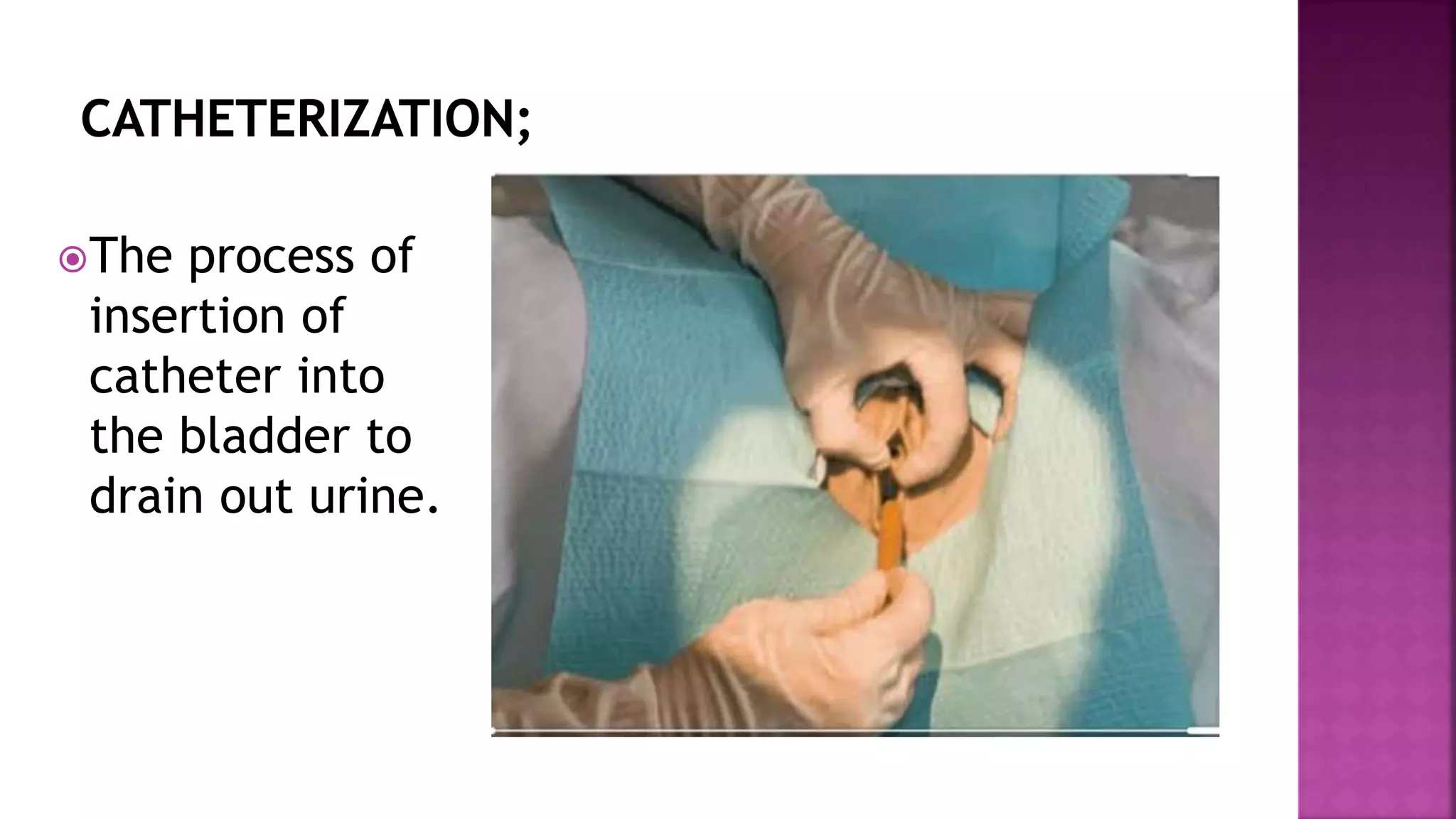
This remains the most common application. Urinary catheters are "sent down" the urethra to the bladder.
- Foley Catheters (Indwelling): These feature a balloon at the tip to keep the device in place for extended periods.
- Intermittent Catheters: Used for one-time drainage, reflecting the more transient literal meaning of "letting down" and then immediately withdrawing.
- Suprapubic Catheters: These are "sent down" through a small incision in the abdomen directly into the bladder, bypassing the urethra entirely.
Cardiovascular Catheterization
In 2026, cardiovascular catheters are the backbone of interventional cardiology. These are thin, highly maneuverable tubes sent through the femoral or radial artery.
- Diagnostic Catheters: Used to inject contrast dye for imaging (angiography).
- Therapeutic Catheters: Used to "send down" stents, balloons for angioplasty, or even replacement heart valves. Here, the catheter acts as a delivery vehicle rather than just a drainage pipe.
Neurovascular and Specialized Access
Modern neurology relies on micro-catheters "sent down" into the intricate vessels of the brain to treat strokes or aneurysms. These devices are often coated with hydrophilic materials to reduce friction, ensuring the "sending down" process is as atraumatic as possible.
Comparing Catheter Types and Applications
The following table outlines the primary types of catheters used in 2026, their insertion sites, and their primary medical functions.
| Catheter Type | Primary Insertion Site | Literal "Sending Down" Path | Primary Function |
|---|---|---|---|
| Urinary (Foley) | Urethra | Into the bladder | Continuous drainage of urine |
| Central Venous (CVC) | Jugular or Subclavian Vein | Into the Superior Vena Cava | Medication delivery and pressure monitoring |
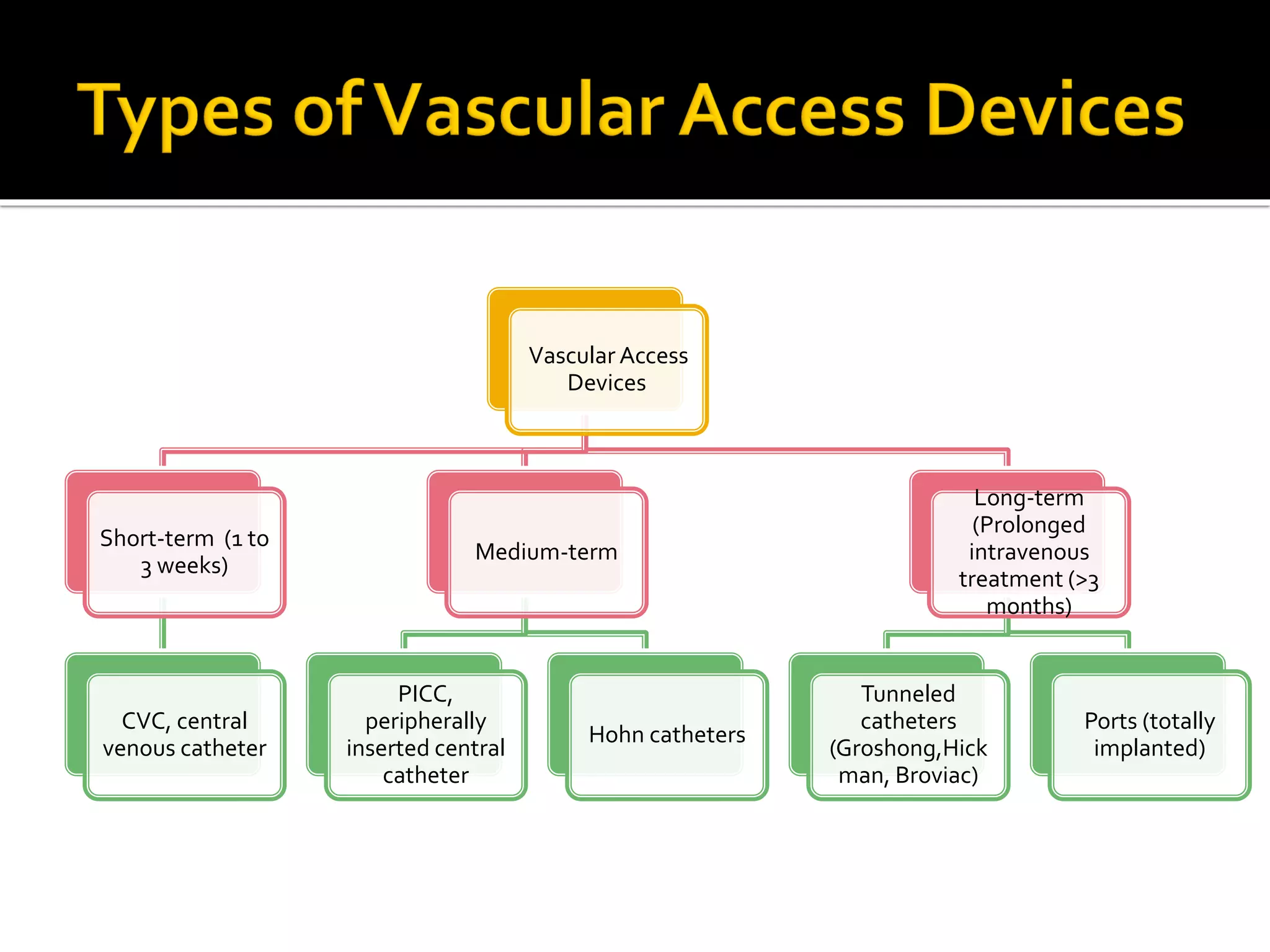
| PICC Line | Brachial Vein (Arm) | To the heart's large veins | Long-term IV antibiotics or nutrition |
| Arterial Line | Radial or Femoral Artery | Into the arterial system | Real-time blood pressure monitoring |
| Epidural Catheter | Epidural space (Spine) | Near the spinal nerve roots | Continuous regional anesthesia |
| Cardiac Catheter | Radial or Femoral Artery | Into the coronary arteries | Clearing blockages or placing stents |
Technical Depth: Materials and Biocompatibility in 2026
The success of "sending down" a foreign object into the human body depends entirely on how the body reacts to it. In 2026, the materials used in catheter construction are highly advanced to prevent the two primary complications: infection and thrombosis (clotting).
Silicone and Latex
Silicone is the preferred material for long-term indwelling catheters because it is inert and less likely to cause tissue irritation. Latex, while flexible and inexpensive, has largely been phased out in many clinical settings due to widespread allergies and its tendency to develop "encrustation"—a buildup of mineral deposits that can block the tube.
Antimicrobial and Hydrophilic Coatings
Modern catheters often feature specialized surfaces. Hydrophilic coatings react with water to become incredibly slippery, allowing the tube to glide through vessels with minimal resistance. This is the literal perfection of the "letting down" process. Furthermore, many catheters are now impregnated with silver ions or antibiotic agents to kill bacteria on contact, directly addressing the risk of Catheter-Associated Urinary Tract Infections (CAUTIs) and Central Line-Associated Bloodstream Infections (CLABSIs).
Shape Memory and Steerability
Technological advancements have introduced "steerable" catheters. These allow surgeons to manipulate the tip of the catheter using a handle outside the body. By using nitinol (a nickel-titanium alloy with shape memory), these catheters can be "sent down" through complex, winding vascular "roadmaps" that would have been inaccessible only a decade ago.
Clinical Risks and Management Protocols
Despite the literal meaning of the catheter as a helpful instrument, the act of inserting one is not without risk. Because a catheter provides a direct bridge between the external environment and the internal body, it can act as a highway for pathogens.
Infection Control
In 2026, the medical community follows strict "bundles" of care to manage catheters. For urinary catheters, this includes maintaining a closed drainage system and ensuring the collection bag is always below the level of the bladder to prevent backflow. For vascular catheters, maximal sterile barrier precautions—including full-body drapes and ultrasound guidance—are the standard of care to ensure the "sending down" process does not introduce skin flora into the bloodstream.
Mechanical Complications
The physical act of "sending down" a tube can cause:
- Perforation: Accidentally pushing the tube through the wall of a vessel or organ.
- Strictures: Long-term scarring of the pathway (common in the urethra) due to chronic irritation.
- Dislodgement: If the "letting down" isn't secured properly (via balloons or sutures), the catheter can migrate, leading to internal injury or loss of access.
FAQ: Understanding the Term and Its Use
What is the difference between a catheter and a stent?
While both are "sent down" into the body, a catheter is typically a temporary tool used to transport something (fluid, medicine, or another device) or to drain a cavity. A stent is a permanent or semi-permanent scaffold left behind to keep a vessel or duct open after the catheter is withdrawn.
Does the insertion of a catheter always require surgery?
No. Most catheterizations are considered "minimally invasive" or "percutaneous." While they require sterile conditions and often local anesthesia, they generally do not involve large incisions. The literal "sending down" is done through natural orifices or small needle punctures.
Why is the term "French" used to measure catheters?
The "French scale" (Fr) was devised by Joseph-Frédéric-Benoît Charrière, a 19th-century surgical instrument maker. One French unit equals 0.33 millimeters. It measures the external diameter of the catheter. A larger French number means a thicker tube, which is an essential consideration when deciding what can be safely "sent down" a specific patient's anatomy.
How long can a catheter stay "sent down" in the body?
This depends on the type. An intermittent urinary catheter stays for only a few minutes. A standard Foley catheter might stay for days or weeks. Specialized ports or PICC lines can remain in place for several months, provided they are managed with strict aseptic technique.
Is the "sending down" process painful?
For urinary catheters, the process is often uncomfortable but brief. For vascular or spinal catheters, local anesthetics are used to numb the insertion site, and sedation is often provided, meaning the patient rarely feels the catheter as it is being "sent down" through the internal vessels.
Practical Recommendation for Patients and Caregivers
If you or a loved one are told that a catheter must be "sent down" for a medical procedure, the most important next action is to ask about the necessity and the duration. In modern healthcare, the goal is to remove any indwelling catheter as soon as it is no longer medically required to minimize the risk of infection.
Always verify that the clinical team is using "asceptic technique" during insertion and daily maintenance. If you are managing a catheter at home, ensure the entry site is kept clean and dry, and never pull on the tubing, as this can cause internal trauma to the delicate structures where the device has been "sent down."
Image Gallery
Select an image to open it in a new tab.


Simon Caldwell
Enterprise Technology and Systems Editor
