
John Jacob Astor IV was a prominent American businessman, real estate developer, inventor, and writer whose life and tragic death in 1912 define the zenith and sudden fragility of the Gilded Age. As the wealthiest passenger aboard the RMS Titanic, his legacy encompasses a vast portfolio of New York City real estate, notable advancements in early aviation and electrical engineering, and the enduring influence of the Astor family fortune on American society.
The Astor Pedigree and Wealth Accumulation
To understand John Jacob Astor IV, one must first recognize the structural foundation of the Astor wealth. The family fortune originated with John Jacob Astor I, who arrived in the United States in the late 18th century and amassed a massive enterprise based on the fur trade and subsequent aggressive investment in Manhattan real estate. By the time the fourth generation of the family name took the helm, the Astors were not merely wealthy; they were a foundational pillar of the American aristocracy.
John Jacob Astor IV (born 1864) inherited this tradition of land development. During the late 19th and early 20th centuries, the "Gilded Age"—a term coined by Mark Twain to describe an era of rapid economic growth masking deep-seated social inequities—provided the backdrop for his expansion. Astor managed the family assets with a focus on luxury real estate, which fundamentally altered the landscape of New York City.
Contributions to New York City Real Estate
Astor’s most tangible impact on the American landscape remains the construction of high-profile hotels that redefined luxury. In 1897, he built the Astoria Hotel, adjacent to the Waldorf Hotel (owned by his cousin, William Waldorf Astor). The two were eventually joined to form the Waldorf-Astoria, which stood as the pinnacle of opulence for the international elite.
His approach to real estate was strategic; he understood that the development of hotels in prime midtown Manhattan locations was a hedge against market volatility and a means of solidifying the family's prestige. Beyond hotels, Astor was involved in various residential and commercial ventures that anticipated the northward expansion of Manhattan's commercial district. These properties served not only as revenue generators but as physical manifestations of the Astor family's dominance in a rapidly industrializing nation.
Technical Innovation and Intellectual Pursuits
While often remembered for his wealth, Astor was also an amateur scientist and inventor. He held several patents, including a bicycle brake and a pneumatic road-improving device. His interest in technology was not merely hobbyist; it was grounded in a genuine curiosity about the industrial advancements of his era.
In 1894, he authored A Journey in Other Worlds, a work of science fiction that explored themes of space travel and the future of human technological achievement. The book reveals a man deeply engaged with the intellectual trends of the time, including the potential for solar energy and the colonization of other planets—concepts that were decades ahead of their widespread public adoption. His willingness to fund and patent mechanical improvements underscores a transition among Gilded Age elites from purely extractive wealth to active participation in the technical evolution of the early 20th century.
Comparison of Gilded Age Assets and Ventures
| Asset/Venture | Nature | Significance |
|---|---|---|
| Waldorf-Astoria Hotel | Luxury Real Estate | Established the standard for urban luxury hospitality. |
| Aviation Investments | Technology | Early patron of aviation and aerial engineering. |
| Literary Works | Science Fiction | A Journey in Other Worlds anticipated modern space travel. |
| St. Regis Hotel | Luxury Real Estate | Developed the hotel to offer personalized, high-end service. |
| Military Service | National Duty | Served as a Lieutenant Colonel during the Spanish-American War. |
The Titanic and the Final Years
The narrative of John Jacob Astor IV is inextricably linked to the RMS Titanic. On April 14, 1912, while returning to the United States with his pregnant second wife, Madeleine Force Astor, his life ended in the North Atlantic. His conduct during the disaster remains a subject of historical interest; he was last seen standing on the deck, having ensured his wife was safely aboard a lifeboat.
The loss of Astor was not merely a personal tragedy but an economic milestone. His death shocked the financial world, as he was a primary manager of the Astor estate and a key figure in the corporate hierarchy of the time. The transition of his assets and the subsequent legal maneuvers regarding his will highlighted the sheer complexity of inheritance among the American elite, a topic that captivated the public in the years following the disaster.
Legal and Inheritance Complexities
The administration of Astor's estate after 1912 serves as a case study in the transfer of massive wealth under early 20th-century tax and inheritance laws. Before the modern era of estate taxation in the United States, the transfer of such vast, asset-heavy fortunes was a complicated process that relied heavily on trusts and corporate holdings.
His will specifically addressed his son, Vincent Astor, who was tasked with stewarding the family properties and continuing the philanthropic efforts for which the family was known. The legal proceedings provided a rare, transparent glimpse into the structure of "old money" in America, revealing how properties were partitioned and how the, then-standard, legal mechanisms were used to prevent the rapid dissipation of generational wealth.
Impact on 20th-Century Society
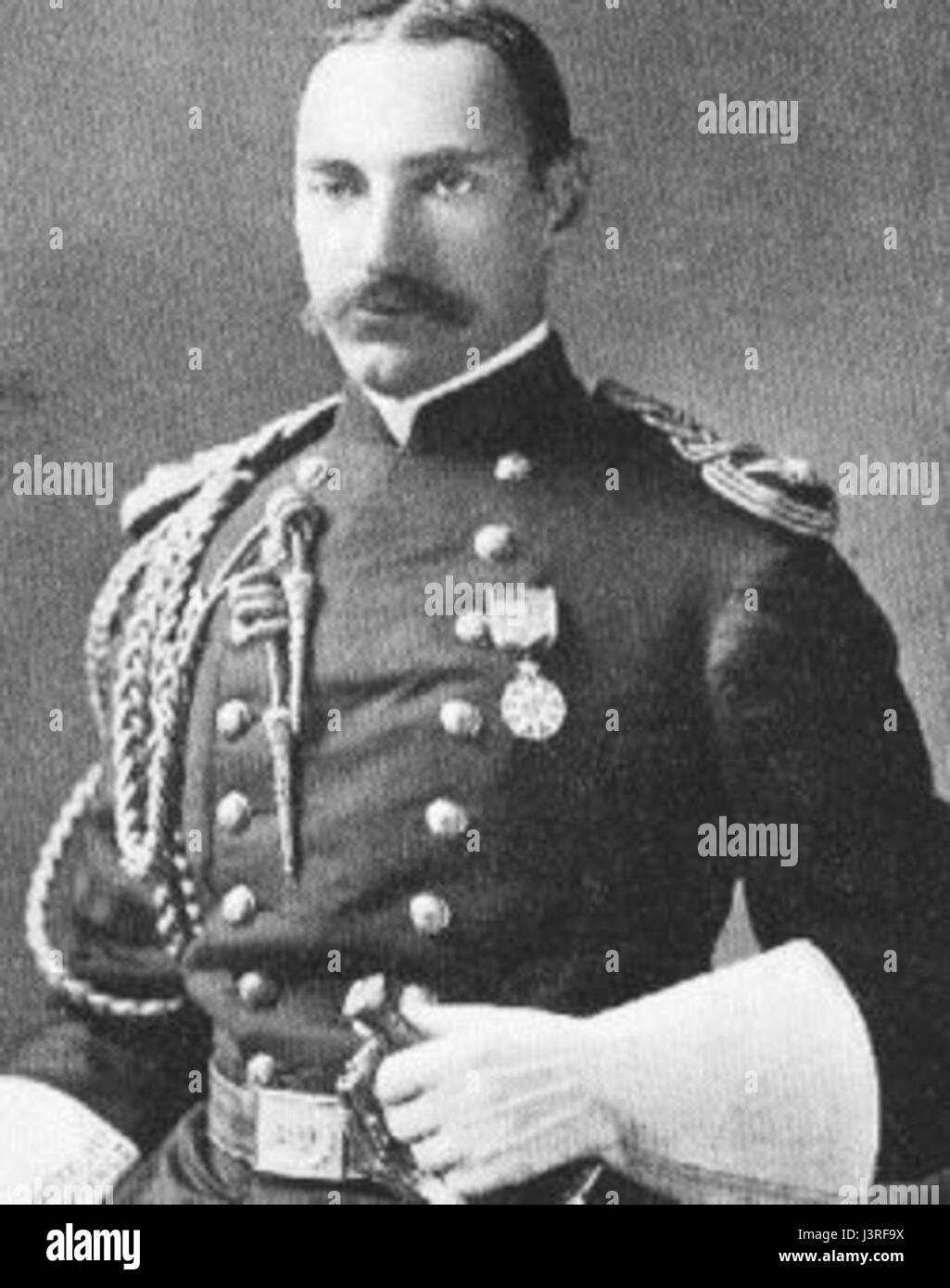
Astor’s life spanned the transition from an agrarian-influenced merchant class to a corporate-driven industrial society. His influence extended into politics, social reform, and the normalization of the "gentleman engineer" archetype. He was a member of the social elite who felt a sense of duty toward public service, as evidenced by his military service in the Spanish-American War, where he funded his own unit.
This sense of noblesse oblige—the idea that those with great wealth have a responsibility to society—was a defining characteristic of his class. While his fortune was largely self-perpetuating, his contributions to the infrastructure of New York City and his intellectual support for technological advancement left a footprint that outlasted the specific luxury establishments he built.
Frequently Asked Questions
What was the main source of the Astor family fortune?
The fortune was primarily established by John Jacob Astor I, who dominated the North American fur trade in the early 19th century. He wisely invested his profits into Manhattan real estate, which became the primary source of the family's immense, multi-generational wealth.
Why is John Jacob Astor IV remembered in the context of the Titanic?
He was considered the wealthiest passenger on the ship. His death and his reported calm behavior during the sinking became a focal point of press coverage, symbolizing the vulnerability of the wealthy to the forces of nature despite their immense financial status.
How did Astor’s inventions influence his life?
Astor held patents for several devices, including a turbine engine and a bicycle brake. These inventions were not primary sources of his income but were expressions of his interest in the rapidly evolving industrial technologies of the time, setting him apart from elites who relied solely on passive investments.
What happened to the Astor estate after his death?
The estate was largely passed to his son, Vincent Astor. The transfer initiated a series of management shifts that eventually saw the family move away from direct hotel ownership and into more diversified investment portfolios, a process that occupied the family for several decades.
How does the Gilded Age define Astor's career?
The Gilded Age represents a time of unprecedented industrial expansion and massive income disparity. Astor thrived in this environment by developing luxury infrastructure that served the very elite class to which he belonged, while also engaging in the period's characteristic spirit of innovation and civic paternalism.
Next Actions for Historical Research
For those interested in further study of John Jacob Astor IV or the Gilded Age, it is recommended to review the archives of the New York Historical Society, which holds extensive records on Manhattan real estate development in the late 19th century. Additionally, researchers may examine the official inquiry reports following the sinking of the RMS Titanic for contemporary accounts of his actions, which remain the most reliable primary source for the final hours of his life.
Image Gallery
Select an image to open it in a new tab.



Mateo Castillo
Decentralized Finance and E-Payments Strategist
