
John Fogerty is the primary architect of the "swamp rock" sound and the creative force behind Creedence Clearwater Revival (CCR). As of 2026, he remains a singular figure in music history, celebrated not only for his prolific songwriting and distinctive raspy tenor but also for his historic 50-year legal battle to reclaim his artistic autonomy and song catalog.
The story of John Fogerty is one of unparalleled creative output followed by decades of industry-shaping litigation. Born in Berkeley, California, in 1945, Fogerty crafted a musical identity that felt deeply rooted in the Mississippi Delta, despite his West Coast origins. His ability to distill the American experience into three-minute hit singles made CCR the most successful American band of the late 1960s. Today, his influence persists across the rock, country, and Americana genres, fueled by a catalog that serves as the definitive soundtrack to the Vietnam War era and the working-class struggle.
The Formative Years and the Rise of Creedence Clearwater Revival
The journey toward becoming a rock icon began in the late 1950s in El Cerrito, California. John Fogerty, along with his brother Tom Fogerty, bassist Stu Cook, and drummer Doug Clifford, formed a band initially known as The Blue Velvets and later as The Golliwogs. During this apprenticeship phase, the group honed their skills by playing local dances and fairs, eventually signing with Fantasy Records—a small jazz label based in San Francisco.
In 1968, the band rebranded as Creedence Clearwater Revival. This name change coincided with a radical shift in their sound. Moving away from the British Invasion influences that permeated their early work, John Fogerty began writing songs that drew from the deep wells of rhythm and blues, rockabilly, and traditional country music. This fusion resulted in a string of hits that began with their cover of Dale Hawkins’ "Susie Q."
The period between 1969 and 1970 represents one of the most productive streaks in the history of recorded music. In 1969 alone, Fogerty and CCR released three multi-platinum albums: Bayou Country, Green River, and Willy and the Poor Boys. Each record was packed with songs that would become radio staples, including "Proud Mary," "Bad Moon Rising," and "Fortunate Son." Fogerty acted as the band's songwriter, lead singer, lead guitarist, and producer, maintaining a level of control that ensured a consistent, high-quality output but also sowed the seeds of internal friction.
The Architecture of the Swamp Rock Sound
John Fogerty’s "swamp rock" was a stylistic anomaly. While San Francisco was the epicenter of psychedelic rock and lengthy instrumental jams, Fogerty focused on tight, economical arrangements and narrative-driven lyrics. He utilized "blue notes" and minor-pentatonic scales to create a murky, humid atmosphere that felt inextricably linked to the American South.
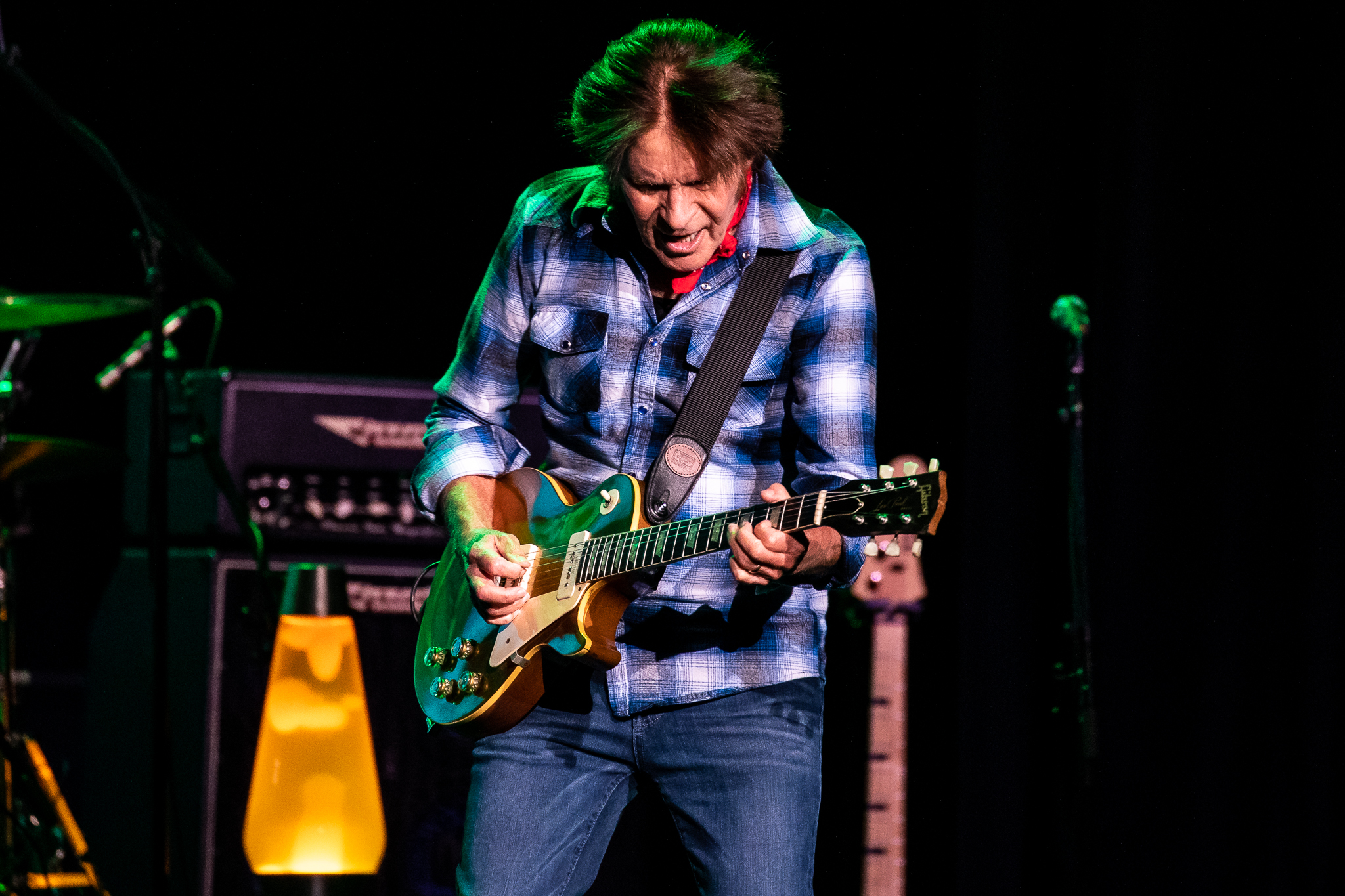
Technically, the Fogerty sound was built on specific gear and disciplined performance. He famously used Rickenbacker 325 and Gibson Les Paul guitars through Kustom amplifiers, known for their "tuck and roll" padded exteriors. This combination produced a biting, percussive tone that cut through the mix. His songwriting technique often centered on a "hook-first" approach, where a central guitar riff served as the foundation for the entire track.
Lyrically, Fogerty explored themes of social injustice, environmental concerns, and the mythic American landscape. "Fortunate Son" remains one of the most potent protest songs ever written, critiquing the class-based disparities of the military draft. Meanwhile, "Born on the Bayou" showcased his ability to construct vivid, atmospheric imagery of a place he had never visited at the time of writing, demonstrating his prowess as a storyteller.

The Legal Quagmire and the Loss of Rights
The most tragic chapter of John Fogerty’s career involves his relationship with Fantasy Records and its owner, Saul Zaentz. The contracts signed by the band in their youth were notoriously disadvantageous, ceding the copyrights of Fogerty’s songs to the label in exchange for modest royalties and distribution.
As CCR’s success exploded, the financial disparity between the band and the label became a source of intense bitterness. Fogerty eventually stopped recording and performing his CCR material for years as a form of protest, refusing to enrich a man he felt had exploited him. This standoff led to a series of lawsuits that spanned decades.
The most infamous of these was the "self-plagiarism" case. In the mid-1980s, Saul Zaentz sued Fogerty, claiming that his solo hit "The Old Man Down the Road" was too similar to the CCR song "Run Through the Jungle," the rights to which Zaentz owned. This forced Fogerty into a surreal legal position: he had to prove in court that he did not plagiarize himself. In 1988, a jury found in Fogerty's favor, but the legal battle continued regarding attorney's fees. The case eventually reached the U.S. Supreme Court (Fogerty v. Fantasy, Inc., 1994), where a landmark ruling established that successful defendants in copyright cases could be awarded attorney's fees, leveling the playing field for artists facing aggressive litigation from corporations.
The Solo Resurgence and Centerfield
After the dissolution of CCR in 1972 and a period of relative obscurity, Fogerty made a triumphant return with his 1985 solo album, Centerfield. The title track, an anthem for baseball and American optimism, became a cultural phenomenon, eventually being honored by the National Baseball Hall of Fame.
Centerfield proved that Fogerty’s ability to write universal hits was not dependent on his former bandmates. The album reached number one on the Billboard 200 and re-established him as a major touring act. However, even this success was clouded by legal strife, as the album contained songs like "Zanz Kant Danz," a thinly veiled attack on Saul Zaentz that led to further defamation lawsuits.
Throughout the 1990s and 2000s, Fogerty continued to release critically acclaimed work, such as Blue Moon Swamp (1997), which won the Grammy Award for Best Rock Album. This era saw Fogerty finally reclaiming his legacy on stage, as he began performing his CCR classics again, much to the delight of fans worldwide.
The 2023 Victory and the 2026 Status
For fifty years, John Fogerty lived with the reality that he did not own his most famous works. That changed in early 2023, a milestone that defines his status in 2026. Following the acquisition of the Fantasy Records catalog by Concord Music Group years prior, Fogerty was finally able to strike a deal to purchase a majority stake in the global publishing rights to his CCR songs.
In 2026, this victory is viewed as a turning point for artist rights in the digital age. Fogerty’s ownership allows him to control how his music is used in films, commercials, and streaming platforms, ensuring that his creative vision remains uncompromised. For an artist who spent decades in a self-imposed exile from his own hits, this reclamation is the ultimate "full circle" moment.
| Milestone | Year | Impact on Fogerty's Legacy |
|---|---|---|
| Release of "Proud Mary" | 1969 | Established CCR as a global powerhouse. |
| CCR Induction | 1993 | Rock & Roll Hall of Fame recognition (Fogerty famously refused to play with former bandmates). |
| Supreme Court Case | 1994 | Set a precedent for attorney's fees in copyright law (Fogerty v. Fantasy, Inc.). |
| Grammy Win | 1998 | Blue Moon Swamp verified his solo artistic relevance. |
| Rights Reclamation | 2023 | Secured majority control of CCR publishing after 50 years. |
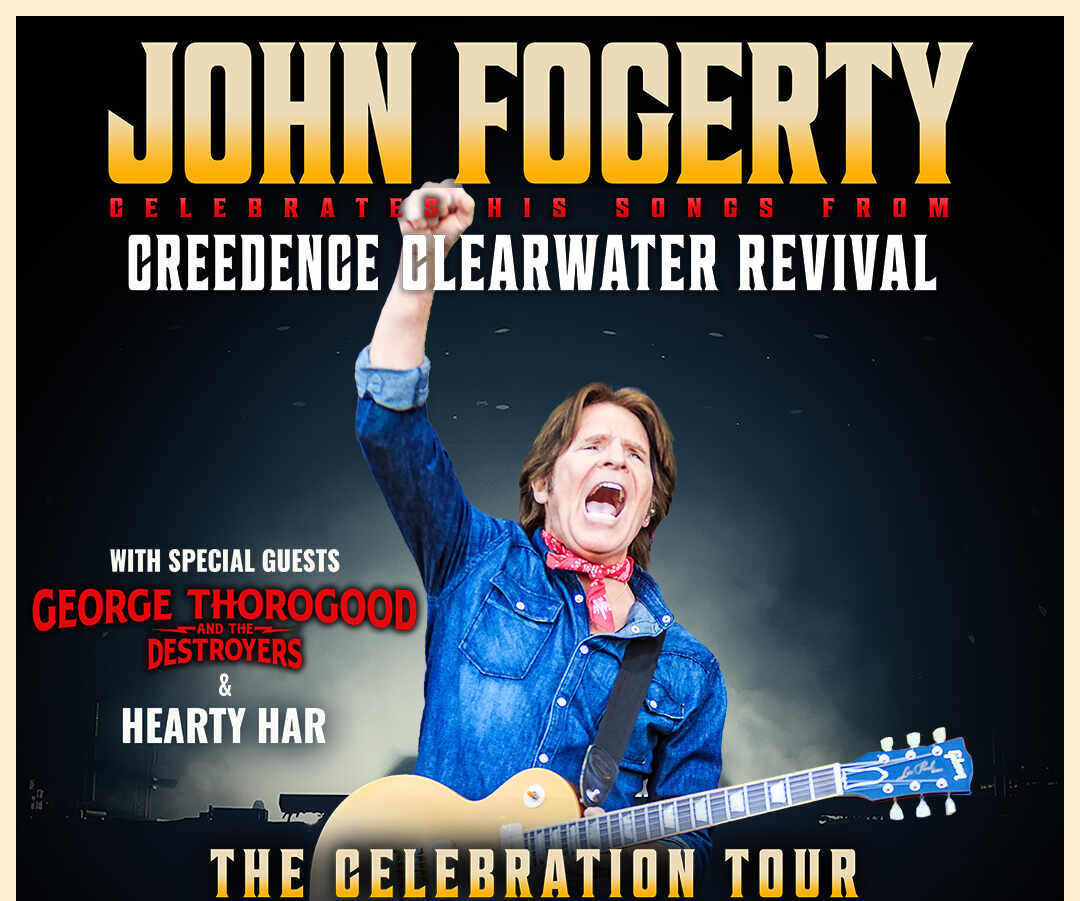
| The Celebration Tour | 2024-2026 | Ongoing tour marking his ownership and 80th birthday milestones. |
Technical Depth: The Songwriting and Production Ethos
What separates John Fogerty from many of his contemporaries is his obsession with the "rhythm" of a song. He often described his process as looking for a "quarter-note drive." This focus on the rhythmic pocket is why CCR songs like "Green River" or "Up Around the Bend" are so effective at grabbing the listener’s attention immediately.
In the studio, Fogerty was a perfectionist. During the CCR years, he insisted on rigorous rehearsal schedules at their headquarters, "The Factory," in Berkeley. This discipline allowed the band to record hits with remarkable speed and efficiency. Unlike the sprawling, drug-influenced jams of the late 60s, Fogerty’s productions were lean. There was no "fat" on a CCR record. Every guitar fill, every vocal ad-lib, and every snare hit was placed with intentionality.
This technical discipline extended to his vocal work. Fogerty developed a singing style that sounded like a "scream" but was actually a highly controlled chest voice. This allowed him to maintain the grit and power of a soul singer without destroying his vocal cords, a feat evident in 2026 as he continues to perform his high-intensity material in his early 80s.
Influence on Modern Rock and Americana
John Fogerty is often cited as the "Godfather of Americana." Long before the term became a recognized genre, Fogerty was blending the various threads of American roots music into a cohesive whole. His influence can be heard in the work of artists ranging from Bruce Springsteen and Bob Seger to modern country stars like Chris Stapleton.
The "Fogerty Sound" provided a template for how to be a rock star without the artifice of the "rock star" lifestyle. He dressed in flannel shirts and work boots, projecting an image of the everyman that resonated with the blue-collar demographic. This authenticity is a cornerstone of his enduring appeal. In 2026, as music becomes increasingly digital and polished, Fogerty’s raw, analog approach to songwriting serves as a vital touchstone for new generations of musicians seeking "real" sound.
FAQs: Understanding the Rock Icon
Why did John Fogerty stop playing CCR songs for so long?
John Fogerty stopped playing his CCR material in the 1970s and 80s because he did not want to generate royalty income for Saul Zaentz and Fantasy Records. He felt that the contracts he had signed were exploitative, and he chose to suppress his own legacy rather than allow the label to profit from his performances. He only returned to playing these songs after he felt he had achieved some level of moral and legal victory.
Was John Fogerty actually from the South?
No. John Fogerty was born and raised in Berkeley, California. His "swamp rock" persona and lyrical focus on the South were products of his imagination and his deep love for Southern-born musical genres like the blues and early rockabilly. He often remarked that he "lived" in the South in his mind while writing.
What was the significance of the "self-plagiarism" lawsuit?
The lawsuit (Fantasy, Inc. v. Fogerty) was significant because it challenged the idea of creative "voice." The label argued that because Fogerty wrote a new song ("The Old Man Down the Road") that sounded like an old song he wrote for them ("Run Through the Jungle"), he was stealing their property. Fogerty’s victory ensured that artists could not be sued simply for having a consistent musical style.
How did Fogerty finally get his songs back in 2023?
After decades of tension, Fogerty was able to buy a majority stake in his publishing rights from Concord, the company that had acquired the Fantasy Records catalog. This was made possible by a combination of the "termination rights" provisions in U.S. copyright law (which allow creators to reclaim works after 35-56 years) and a willingness by Concord to settle the long-standing dispute.
What kind of guitars does John Fogerty use?
Fogerty is most famously associated with the Rickenbacker 325, which he used for most of the CCR rhythm tracks. He also frequently uses Gibson Les Pauls (notably his "Goldtop") and a variety of custom-made guitars, including a famous baseball bat-shaped guitar used for the song "Centerfield."
Practical Recommendation for Fans and Historians
For those looking to understand the technical and emotional depth of John Fogerty’s work, the best starting point is the 1969 "trilogy" of albums (Bayou Country, Green River, and Willy and the Poor Boys). Listen to these records not just for the hits, but for the production quality—notice the clarity of the instruments and the lack of overdubbing.
To witness his current status, fans should seek out performances from his 2024–2026 "Celebration Tour," which serves as a live retrospective of his reclaimed catalog. His autobiography, Fortunate Son: My Life, My Music, is also an essential resource for understanding the specific legal hurdles he navigated to preserve his integrity as an artist.
Image Gallery
Select an image to open it in a new tab.


Zara El-Hashem
Sociocultural Dynamics and Academics Writer
