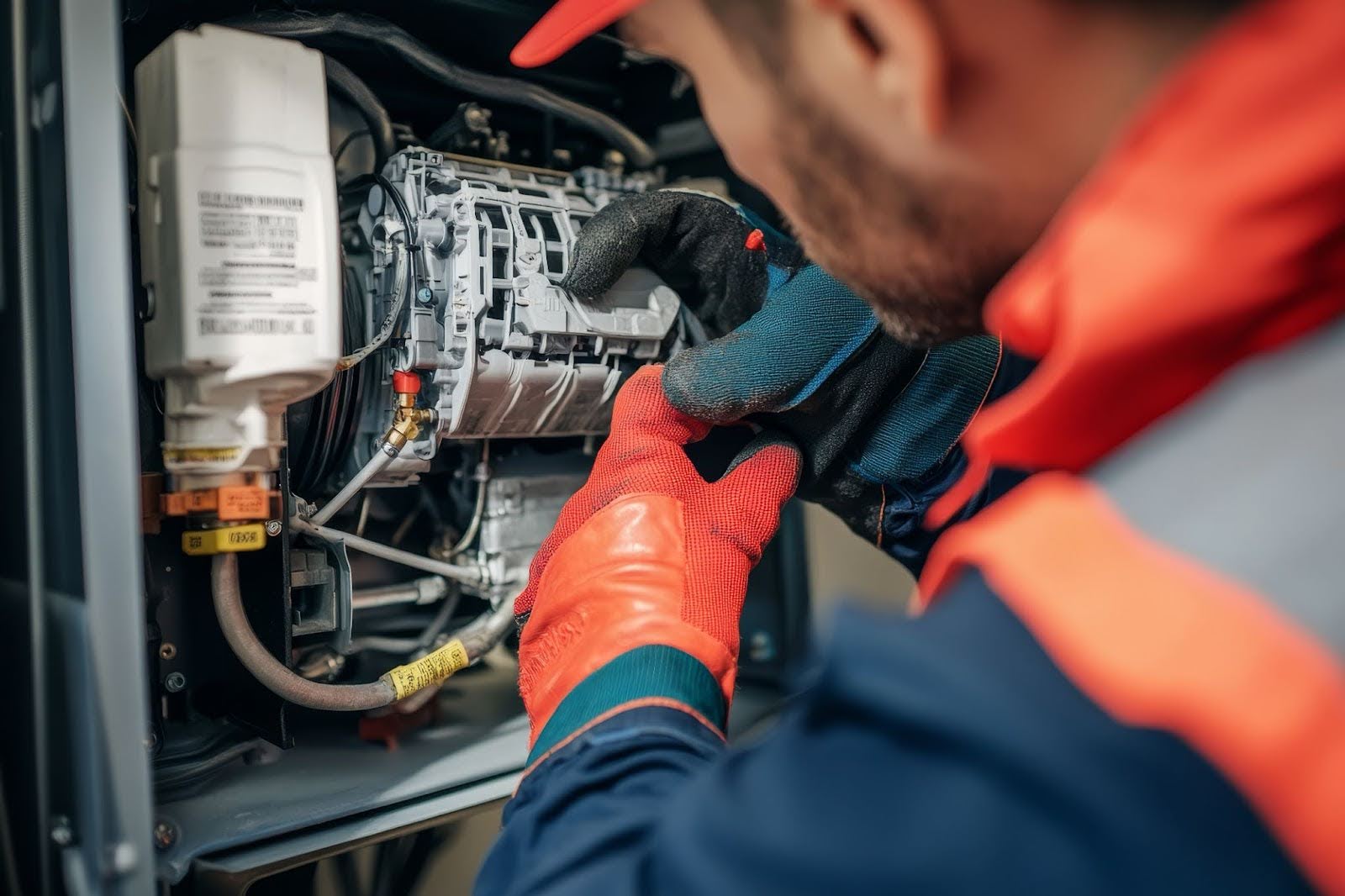
A buzzing furnace usually indicates an electrical issue, such as a failing transformer or a stuck contactor, or a mechanical problem like a struggling blower motor or loose housing panels. Identifying the specific timing and location of the noise is essential for diagnosing whether the fix requires simple tightening or professional electrical repair.
When your heating system begins to emit an unusual sound, it is often the first warning sign of a mechanical or electrical failure. In 2026, modern high-efficiency furnaces have become quieter than ever, making any new buzzing or humming sound particularly noticeable and concerning. While some vibrations are a normal part of operation, a persistent buzz typically signals that a component is working under duress or has reached the end of its functional lifespan.
Understanding the root cause of a furnace buzz requires a systematic approach to diagnosis. This involves isolating when the noise occurs—during the startup sequence, while the burners are lit, or when the blower is circulating air—and pinpointing the physical location within the cabinet. Ignoring these sounds can lead to a total system lockout, more expensive repairs, or in rare cases, electrical hazards.
Categorizing the Noise: Hum vs. Buzz vs. Vibration
Before diving into specific components, it is helpful to distinguish between different types of auditory feedback. A light hum is often normal, especially in furnaces equipped with powerful transformers or variable-speed motors. This is simply the sound of electricity moving through coils or the subtle vibration of a high-speed fan.
However, a buzz is generally sharper and more discordant. It often suggests an electrical component is "chattering" or that a motor is "stalled"—meaning it is receiving power but cannot turn. Vibration, on the other hand, is usually a physical rattling where two metal surfaces are making contact. While these sounds often overlap, identifying the texture of the noise helps narrow down the list of suspects.
1. Electrical Transformer Issues
The transformer is one of the most common sources of a buzzing sound in a furnace. Its job is to "step down" the 120-volt current from your home's electrical panel to the 24-volt current used by the furnace’s control board, thermostat, and various sensors.
Why Transformers Buzz
Transformers operate using electromagnetism. They consist of metal plates (laminations) stacked together and wrapped in copper wire. Over years of thermal expansion and contraction, these plates can become slightly loose. As the alternating current (AC) passes through the transformer, it creates a magnetic field that causes these loose plates to vibrate at 60 cycles per second, producing a distinct 60Hz buzz.
Diagnosis and Severity
If the buzz is constant, even when the furnace isn't actively heating, the transformer is likely the culprit because it remains energized to provide power to the thermostat. While a buzzing transformer can often function for years without failing, the noise usually increases over time. If the buzz becomes a loud growl, the transformer may be overloaded or nearing total failure.

2. Failing Blower Motor or Capacitor
The blower motor is the "lungs" of your HVAC system, responsible for pushing heated air through the ductwork. If the buzzing occurs only when the air starts moving, the blower assembly is the primary suspect.
The Role of the Capacitor
Most standard furnace motors use a start capacitor or a run capacitor. These devices act like a temporary battery, providing the extra jolt of electricity needed to get the heavy motor spinning. When a capacitor begins to fail (loses its ability to hold a charge, measured in microfarads), the motor may receive enough power to try to start but not enough to actually rotate. This results in a loud, stationary buzz as the motor windings heat up.
Worn Bearings and Motor Windings
If the motor is old, the internal bearings may be seized or dry. A motor that is "seizing" will buzz loudly as it fights against internal friction. Furthermore, if the internal copper windings are damaged or shorting out, they can create an electrical buzz. In 2026, many homeowners are opting to replace older Permanent Split Capacitor (PSC) motors with more efficient Electronically Commutated Motors (ECM), which are quieter but can still hum if their internal inverter boards fail.
3. Draft Inducer Motor Vibrations
The draft inducer is a small fan that clears the combustion chamber of any lingering gases and ensures a safe flow of oxygen for the burners. It is usually the first component to turn on when the thermostat calls for heat.
Debris and Unbalance
Because the inducer motor deals with exhaust, it is susceptible to debris. If a small piece of rust, a dead insect, or even a bird’s nest material gets lodged in the inducer fan blades, it creates an imbalance. This imbalance causes the motor to vibrate at high speeds, which often sounds like a loud, mechanical buzz or a "drone."
Motor Failure
Like the main blower motor, the inducer motor has its own bearings and electrical connections. If the inducer buzzes for 30 to 60 seconds and then the furnace shuts down without the burners igniting, the motor is likely stalled. This is a safety issue, as the furnace's pressure switch will detect the lack of airflow and prevent the gas valve from opening.
4. Chatters in Relays and Contactors
Relays and contactors are essentially electrically operated switches. When the control board wants to turn on a component, it sends a low-voltage signal to a relay, which then closes a circuit to allow high-voltage power to flow to a motor or heater.
Low Voltage Issues
If the 24-volt signal sent to a relay is weak—perhaps due to a failing transformer or a corroded wire—the relay may not have enough power to hold the switch closed. Instead, the switch will rapidly open and close (chatter), creating a fast, metallic buzzing sound.
Pitted Contacts
Over time, the electrical contacts inside these switches can become "pitted" or charred from repeated sparking. This increases electrical resistance and can lead to a buzz as electricity struggles to jump the gap between the contacts. This is a common issue in older units and often requires the replacement of the specific relay or the entire control board.
5. Loose Housing Panels and Ductwork Resonance
Sometimes the most alarming sounds have the simplest solutions. A furnace is a large metal box containing several high-speed rotating parts. If any part of that box is loose, it will vibrate.
The "Cabinet Buzz"
If the screws holding the access panels are not tightened properly, or if the rubber grommets designed to dampen motor vibration have dry-rotted, the metal panels will rattle against the frame. This creates a resonant buzz that can be amplified by the ductwork, making it sound much louder than it actually is.
Ductwork Vibration
The transition where the furnace meets the supply plenum is another common site for buzzing. High static pressure (often caused by a dirty air filter) can cause the sheet metal of the ducts to "oil can"—flexing in and out rapidly—which produces a low-frequency buzzing or humming sound.
Systematic Diagnosis Steps
If you are comfortable working around mechanical equipment, you can perform a preliminary diagnosis. Safety Warning: Always turn off the power at the breaker or the furnace disconnect switch before touching any internal components.
- Identify the Timing: Note exactly when the noise starts.
- Immediate buzz: Likely the transformer or a relay.
- Buzz before ignition: Likely the inducer motor.
- Buzz after ignition: Likely the blower motor or ductwork.
- Check the Air Filter: A heavily clogged filter increases the load on the blower motor and creates high pressure in the ducts. This is the most common cause of "phantom" buzzing sounds.
- The Touch Test (External): While the furnace is buzzing, apply firm pressure to various external panels. If the noise stops or changes pitch, the issue is a loose panel or a vibration dampening problem.
- Visual Inspection: With the power off, remove the panels and look for loose wires, scorched electrical components, or debris in the fan blades. Look at the capacitor; if the top is bulged or leaking fluid, it is definitely failed.
- Use a Multimeter (Advanced): A technician will check the voltage at the transformer and the capacitance of the motor capacitors. If a 35-microfarad capacitor is reading significantly lower (e.g., 20 microfarads), the motor will buzz and eventually burn out.
Comparison of Common Buzzing Sources
| Component | Sound Characteristic | Timing of Noise | Primary Cause | Repair Complexity |
|---|---|---|---|---|
| Transformer | Constant, low hum/buzz | All the time | Loose laminations / Aging | Moderate (Electrical) |
| Blower Motor | Loud, heavy buzz | When fan starts | Failed capacitor / Seized bearings | High (Requires parts) |
| Draft Inducer | High-pitched drone/buzz | Start of cycle | Debris / Worn bearings | Moderate |
| Relay/Contactor | Rapid "chattering" buzz | When a component kicks in | Pitted contacts / Low voltage | Moderate |
| Access Panels | Rattling buzz | Whenever motor runs | Loose screws / Missing grommets | Low (DIY) |
| Ductwork | Deep, resonant buzz | During full airflow | High static pressure / Loose joints | Low to Moderate |
Estimated Repair Costs in 2026
In the current 2026 market, repair costs reflect both specialized labor and the increased complexity of modern HVAC components.
- Service Call/Diagnostic Fee: $100 – $180 (Usually applied toward the repair).
- Capacitor Replacement: $150 – $300. This is one of the most frequent repairs and is relatively quick for a pro to perform.
- Transformer Replacement: $200 – $450. The cost varies depending on whether it is a standard part or a proprietary manufacturer component.
- Draft Inducer Motor: $400 – $900. These are often sold as complete assemblies, including the fan housing.
- Blower Motor (PSC): $500 – $800.
- Blower Motor (ECM/Variable Speed): $800 – $1,800. These high-efficiency motors are significantly more expensive due to the integrated electronics.
When to Call a Professional
While tightening a screw or changing a filter is a DIY task, most buzzing noises involve the electrical system or high-speed motors. You should call a licensed HVAC technician if:
- The buzz is accompanied by a burning smell: This indicates overheating wires or motor windings and is a fire hazard.
- The furnace is "short-cycling": If the unit buzzes and then shuts down frequently, it is hitting a safety limit.
- You suspect a gas issue: While gas valves don't usually buzz, any abnormality in the ignition sequence should be handled by a pro to prevent gas leaks or delayed ignition (booms).
- Electrical testing is required: Handling 120V or 240V circuits without proper training can be fatal.
Preventive Maintenance to Avoid Noise
The best way to handle a buzzing furnace is to prevent the wear and tear that causes it. Annual maintenance remains the industry standard in 2026 for a reason. During a professional tune-up, a technician will:
- Tighten all electrical connections: This prevents the arcing and low-voltage issues that cause relay chatter.
- Lubricate motors: (If applicable) To prevent bearing failure.
- Test Capacitors: Identifying a weakening capacitor before it fails can save your motor from burning out.
- Clean the Inducer and Blower: Removing dust buildup prevents the imbalances that lead to mechanical buzzing.
Frequently Asked Questions
Is it safe to run a furnace that is buzzing?
It depends on the source. If the buzz is from a loose panel, it is safe but annoying. However, if the buzz is electrical (transformer, motor, or relay), continuing to run the furnace can lead to a "domino effect" where one failing part causes another—such as a bad capacitor eventually destroying the blower motor windings. It is best to diagnose the sound immediately.
Why does my furnace buzz even when it’s turned off?
If the furnace buzzes while the heat isn't running, the transformer is likely the cause. The transformer stays energized 24/7 to power your thermostat and the furnace's internal "brain." A constant buzz means the transformer's internal plates are vibrating. If the sound is new and loud, the transformer may be failing or there may be a short in the low-voltage wiring.
Can a dirty air filter cause a buzzing noise?
Yes. A dirty filter restricts airflow, which makes the blower motor work harder and increases "static pressure" within the system. This can cause the motor to hum under the extra load or cause the metal ductwork to vibrate and buzz as it struggles to move air through the restriction. Changing the filter is the first step in any HVAC troubleshooting.
Why does my furnace buzz for a few seconds before starting?
This is typically the draft inducer motor or its starting relay. The furnace's sequence of operations dictates that the inducer must clear the flue before ignition. If it buzzes and struggles to spin, it may be due to a bad bearing or a failing capacitor. If it buzzes but never starts, the furnace will likely throw a "pressure switch" error code and lock itself out for safety.
How do I know if the buzz is from the ductwork or the furnace?
While the furnace is running and buzzing, walk away from the unit and listen to the vents. If the buzz is just as loud at the vents as it is at the furnace, it is likely being transmitted through the metal ducting. If you can stop the noise by pressing your hand firmly against a duct, you have a vibration issue that can usually be fixed with specialized duct sealant or additional support brackets.
Final Recommendation
If your furnace is making a buzzing noise, start by replacing the air filter and checking for loose cabinet screws. If the noise persists, pay close attention to the timing. A buzz at the very beginning of the cycle points toward the inducer motor, while a buzz that starts when the air begins to blow points toward the blower motor or capacitor. Given the electrical complexities of 2026 HVAC systems, if the simple fixes don't work, contact a qualified technician to test the electrical components before a minor buzz turns into a major system failure.
Image Gallery
Select an image to open it in a new tab.

Mateo Castillo
Decentralized Finance and E-Payments Strategist
